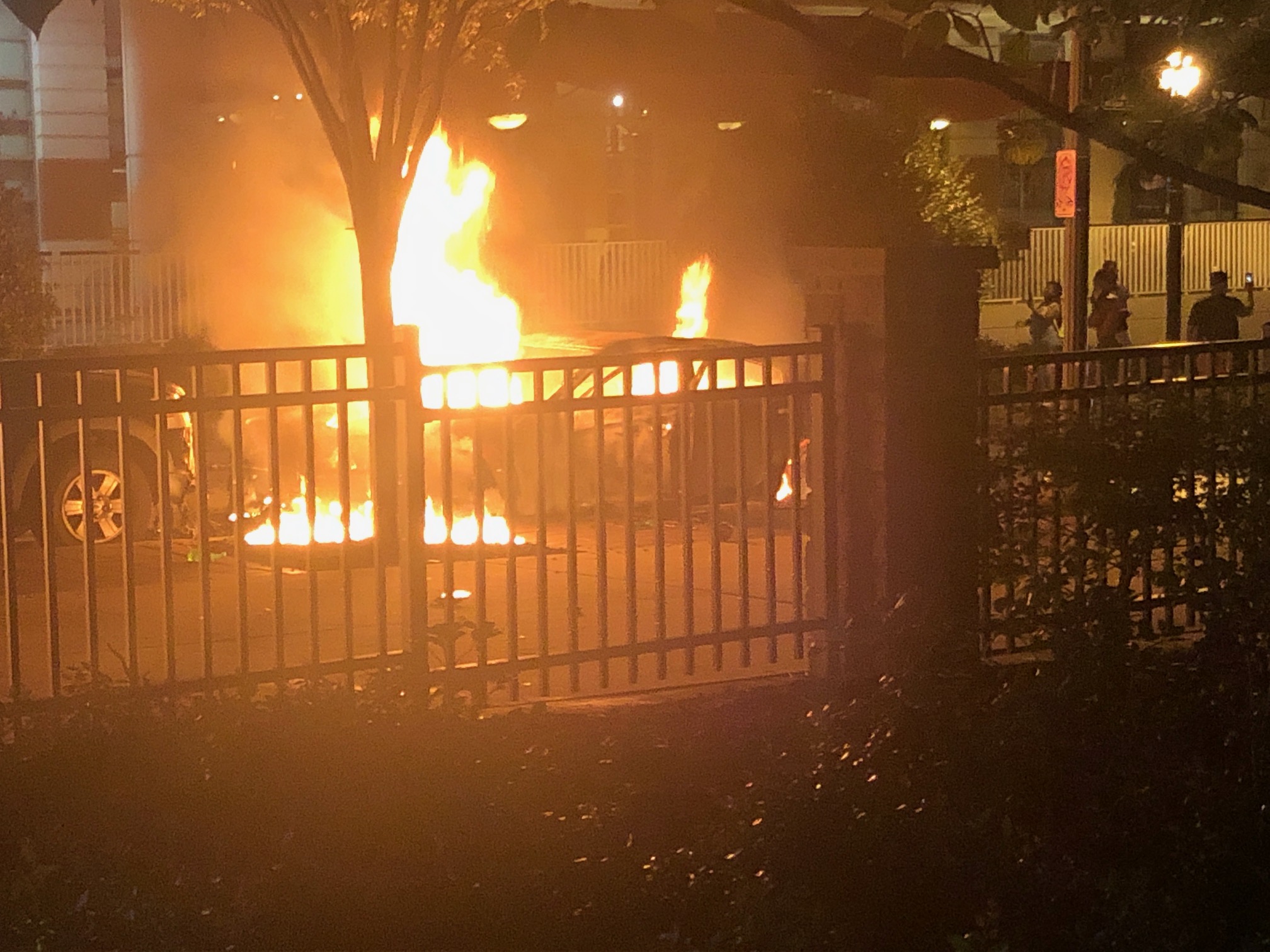
As an organization, we are mourning the loss of Jovita. She played an integral part in not only AABJ, but also as a presence in Atlanta. We understand many of our members were close with Jovita, and even if you did not know her personally, you may have felt connected to her through her work in the community. You can read more information about Jovita, her life and watch a very touching tribute video on WSB-TV’s website. AABJ has shared many memories with Jovita Moore through the story feature on our Instagram account.
AJC Higher Education Reporter Speaks on Challenges in Higher Education Learning
By Elisheva Wimberly
Eric Stirgus, AJC reporter
Eric Stirgus is the Higher Education Reporter at The Atlanta Journal-Constitution. He focuses on schools and universities throughout Georgia, primarily focusing on metro-Atlanta colleges and universities.
Two years ago, Stirgus focused on a variety of topics in higher education, including student loan debt, sexual misconduct and administration in higher learning. Today, Stirgus still covers those issues, but on a very small level. Stirgus looks at higher education from a completely different lens. About 90 percent of the issues he covers today are COVID-19 related, ranging from how colleges are managing the pandemic to the type of services they provide students. The Byline asked Stirgus if concerns of faculty are being heard regarding Atlanta colleges and universities not providing enough safety measures.
“Faculty will say no. They just finished weeks worth of rallies and demonstrations,” Stirgus said. “They want mask mandates and they’d like to have vaccine mandates but the University System of Georgia says no.”
The University System of Georgia (USG) strongly encourages faculty, students and staff to wear masks and get vaccinated, but Gov. Brian Kemp has been adamant that they don’t want to see mandates.
“The faculty are frustrated”, Stirgus said. “They feel the need to speak up and it keeps me quite busy trying to keep up with it.”
Stirgus said even through these rallies and demonstrations of protest from faculty he hasn’t heard much from students on the issue.
“In general, I feel like they’re supportive of these issues that faculty want but I don’t see them protesting,” Stirgus said. “I think that most of them want to be back on campus after over a year of not being on campus and experiencing online learning.”
The majority of students Stirgus sees on college campuses are wearing masks. However, the University of Georgia has had more positive cases than any other institution in Georgia.
When Stirgus visited UGA last week and went into the student center, he noticed half of the students present were not wearing masks. Last week, UGA had a big drop in their COVID-19 cases. Stirgus will be monitoring reports to see if the University of Georgia’s numbers show up low.
The Byline asked Stirgus if there’s a possibility of vaccine mandates becoming a requirement for all faculty, students and staff across the University System of Georgia.
“Biden has taken that step for federal workers and businesses with more than 100 employees but if he wanted to he would have done it by now,” Stirgus said. “If there is another spike, he might mandate it but we’ll see.”
Despite the feud over mask mandates, there are some positives to higher education according to Stirgus. He hears from many administrators and faculty. They share with him that remote learning has helped them become a lot more nimble in trying to find new ways to reach out to students. Stirgus says COVID-19 has given people in the education and outside world a better perspective of the challenges that it takes to be an educator.
“Before COVID I was writing on mental health,” Stirgus says, “That has become a greater challenge with COVID and they need to provide students with services that support their needs. Faculty realize those things are still very important.”
Compared to the University of Georgia, the Atlanta University Center’s (AUC’s) COVID-19 numbers have been very low, as they have been following mask mandates. Stirgus says they are different from the University System of Georgia because they require students to be vaccinated on campus. The AUC does not keep track of self-reported cases. And recently, they took the step last week to do weekly COVID testing. Along with the Atlanta UniversityCenter, Emory’s cases have also gone down.
Strigus believes the AUC is using more aggressive measures than the USG. Morehouse College and Spelman College have cancelled their Homecoming 2021 due to the lingering effects of COVID-19. Whereas universities such as UGA recently had 93,000 fans in their football stadium.
“A lot of schools are going full speed ahead,” Stirgus said. “I don’t see them adjusting.”
As for commencement ceremonies, Stirgus says the deciding factor on that decision will be the COVID-19 numbers.
“Hopefully the numbers will decline by commencement,” Stirgus says, “As long as we do what we have to do to keep the delta variant in check, I think we will see commencement ceremonies.”
Elisheva Wimberly is a student at Georgia State University.
Sandy Springs Mayoral Candidate, Dontaye Carter Discusses Career, Equality and Politics
By Da’Zhane Johnson
Dontaye Carter at City Hall in Sandy Springs, Georgia (Photo by Kevin Lowery)
Dontaye Carter is a Black man juggling a family, career, and now a campaign, proving once again that hard work and perseverance prevails. He is running for Mayor in the city of Sandy Springs against incumbent Mayor Rusty Paul, who has been in office since 2014, in hopes of providing a better future and world in which his young daughter can live.
While a sophomore in college at Florida A&M University, Carter already received his first journalism job at WCTV in Tallahassee, Florida. Inspired by his mother’s hard work ethic, Carter would wake up for work at 4 a.m. and then head to class at 9 a.m. He kept this routine for six months until the station promoted him to a producer. His success post-graduation matched his previous years too. Carter was a reporter in Tulsa, Oklahoma, then brought his talents to Atlanta.
The next couple of years, Carter continued reporting in the Georgia capital. Unfortunately, the work took a toll on his personal life, which caused him to switch careers.
“Personally, not only did I want to be a husband that was there, but a father that was there,” Carter said. “I wanted to be invested in my relationship, in my family, and I wanted to find something I was passionate about.”
The Fulton County’s District Attorney Office is where Carter found the passion he was searching for. While serving as a public affairs officer, Carter worked on cases that he felt had unjust verdicts. The case of four teens who were accused of murder specifically stuck with the mayoral candidate throughout the years. Often the cases showed signs of injustice and imbalance within the community.
Carter then decided to enhance the voices of unjust victims through his own business, Carter Media Group. The company served as a companion with attorneys to display the stories and challenges victims faced in their cases. In fact, Carter Media Group has been the public relations firm for several high-profile cases, like the case of R&B singer R. Kelly .
“I worked with Attorney Gerald Griggs, many of the survivors of that case and their families. We worked diligently because what we saw happening was everybody trying to turn that into a he-said-she-said case, but it was really a case about human sex-trafficking” Carter stated. “These plane tickets have to have these girls’ ages on them, so we put them out.”
Carter went on to speak about his work with the Jimmy Atchison case too. He recalled looking through files. Additionally, he highlighted the importance of keeping the public informed. Several agencies were even called to examine the case facts thoroughly.
Despite the backlash he’s recently received from some residents, Carter still believes politics is his best outlet for promoting change in Sandy Springs. He spoke of the significance of community, representation and trust. The three elements are key components to what has inspired him running in elections this year. The husband and father wants a city that, most importantly, gives his family a voice and protection, and obtaining the title of mayor will grant him access to create that city.
Sandy Springs is known to have a large white population and Carter has not ignored this fact. He understands that most residents of the city agree with the injustice displayed by policymakers in the past. Carter spoke in detail about his standards for people who are elected into office.
“There is nobody in office right now that I trust to take care of my daughter or anybody that looks like her. We have to put people in office that put their constituents first,” Carter stated. There was a lot of talk last year about change, but the way of those words haven’t met actions a year later. Until we get people in office whose words match their actions, we’re never going to be in an equitable society.”
While in office, Carter has explained before that he wants to focus on several issues, which include affordable housing, sustainable developments, schooling and diversity and inclusion. However, his passion for these issues does not negate from his immediate focus — managing the COVID-19 pandemic. Carter explained how he wanted to open the discussion of mandated vaccines to further the safety for all residents. The former reporter believes the conversation surrounding COVID-19 has been converted from survival to political.
“I know the mandating has been so politicized, but the reality of it is, in Fulton County, your child has to get 14 vaccinations before they start school,” Carter said. “We’re already getting vaccines, one more vaccine to ensure that people are going to survive is vitally important to me.”
The details of Carter’s campaign can be found on www.dontayeformayor.com. Election day is November 2.
Da’Zhane Johnson is a student at Clark Atlanta University.
Atlanta City Hall Reporter Speaks Politics
By Ariyana Griffin
Wilborn P. Nobles III covers City Hall for the AJC.
Wilborn P. Nobles III is a journalist with The Atlanta Journal-Constitution (AJC), where he covers Atlanta City Hall. He originally joined the AJC staff to cover DeKalb County Public Schools in November 2020. Earlier this year, he started to cover Atlanta City Hall. He previously worked for The Baltimore Sun covering the government. There he covered police shootings, housing discrimination and other things revolving around issues within Baltimore County, Maryland. Nobles also interned at The Washington Post, where he covered local news. Additionally, the Louisiana native covered education for The Times-Picayune in New Orleans.
With politics being prominent in Atlanta right now due to the upcoming mayoral election, Atlanta residents also have to vote for a new council president and an entirely new city council, and the Atlanta Public School Board.
All 15 seats for the Atlanta city council are up for election. Among those 15 seats, six of those seats will not be filled by an incumbent due to leaders running for other positions or just not running for re-election. Nobles, however, is solely focused on covering the Atlanta Mayoral election. Early voting began on Oct. 12 and ended Oct. 29. The general election will take place on Nov. 2.
Each local election is crucial and dictates the future of a community, including where tax dollars go.
“Super voters are people who vote in every election. No matter if it has something to do with the president or raising taxes or legalizing some new aspect or service to the city,” Nobles said. There is also a large group of people who are “apathetic” because they feel like the elections do not care about them or their community, an issue Nobles found prominent in Atlanta. Some people also do not believe that the vote counts or is essential, making them sceptical to go out and vote. Nobles explained that it is crucial to learn and research people who are running for office or who are interested in running for office so people can be informed and then participate.
“Black voters are concerned about affordable housing, career opportunities, and public safety. The latter issue includes both crime and police reform,” Nobles explained.
Nobles said he always wanted to cover politics and government to help hold politicians and leaders accountable. His advice to reporters or anyone when covering politics is simple.
“As a new reporter on the beat, they want to give you their best impression, but it is important for you to do your homework, ” he said. “Talk to people and read what’s been written about them, any sort of homework you can do ahead of time.”
He said that as a journalist, your first obligation is accountability and transparency.
For more information, you can follow Wilborn Nobles or read his articles about the Atlanta mayoral race at www.ajc.com.
Ariyana Griffin is a student at Clark Atlanta University.
K-12 Reporter Gives Insight on how COVID-19 Affected Metro Atlanta Schools
By Ariyana Griffin
Kristal Dixon is the K-12 reporter for Axios Atlanta Local News
Kristal Dixon was an education reporter covering Cobb County for the Atlanta Journal-Constitution (AJC). She now serves as the K-12 reporter for Axios Atlanta local news, a publication that will be launching in October. She has also covered some public safety issues in Cobb County. Due to unprecedented times, there has been plenty to cover when it comes to the school systems, and here is what she has to say about that.
How did you get into education reporting and journalism?
I have always wanted to be a journalist since my teenage years, so I started focusing on that. I worked at the school newspaper at the University of West Georgia and I just continued my career that way. I started covering K-12 education in my first full time reporting job at the Cherokee Tribune in August 2007. I covered K-12 education for about three or four years. I took a bit of a break from it because I started covering the County Government Beat, and later started working for Patch.com. I kept following K-12 education for the last several years, but when I was hired at the AJC in February 2019, I kept that up. I narrowed my coverage down to Cobb County. In February of 2021, while I was at the AJC, I was promoted to the education team to cover Cobb and DeKalb County schools.
What are some key issues that you have noticed K-12 students face?
Right now, obviously the COVID-19 Pandemic is a brewing issue that schools have been contending with for the last 18 months. Also the COVID-19 pandemic actually brought to light a lot of inequities that school districts saw when it comes to K-12 education. A lot of districts realized that other students did not have the technology that they needed at home to do their virtual lessons. So a lot of districts began to fundraise and partner with community organizations to get laptops and hotspots donated for their students. Because of this, a lot of districts are contending with what they call a “learning loss.” They are actually checking in with students to see how much they’ve been able to retain, how much they may have gained, or how much they may have lost during the pandemic. Those are the two main issues that are happening right now.
Tell me a little more about the upcoming publication, Axios.
We haven’t launched yet, I am in training right now. We are going to launch a new Atlanta site. Axios has an initiative that they want to open websites that cover news featuring various topics in different communities around the country. Atlanta is one of several sites that they plan to open in 2021. My job will entitle writing stories that will go in a daily newsletter. We launch on October 4, 2021. We will be covering news around Atlanta. I would be interested in continuing to watch K-12 education at Axios.
Have you branched out and covered any stories on higher education?
Kennesaw State, located in Cobb County, was having a housing shortage for its students. They decided to break ground on some apartments that would house students who attend Kennesaw State.
What were some of your biggest stories you have covered regarding public safety?
One story I covered last year was police departments using license plate readers to help them solve crimes. They put them up in certain intersections or neighborhoods that they believe are “problem areas.” Anytime a vehicle has been flagged as being connected to a crime, whenever that vehicle passes through the license plate reader, the police department knows that this vehicle is connected to a crime possibly in that area. This is not really public safety related, but it is along the lines of law enforcement agencies.
I did cover some jail deaths at the Cobb County Adult Detention Center. Since December of 2018, there have been nine in custody jail deaths at Cobb County Adult Detention Center. It became a flashpoint in the 2020 elections of the Cobb County Sheriff, which the long time incumbent Neil Warren lost to incumbent Sheriff Creg Owens. This also led a lot of people who had family members that were detained at the jail and the ACLU of Georgia to reach out and bring attention to the conditions of the jail. There were also some issues with a lot of vacancies at the Sheriff’s Office, which some people say contributed to the lack of adequate staffing at the detention center.
For more information about Kristal Dixon, you can follow her at @KristalDixon.
Ariyana Griffin is a student at Clark Atlanta University.
This issue of The Byline was edited by Tianna Faulkner and Amir Vera.
First, I want to thank you for your continued support and readership.
Raisa Habersham
Second, you may notice this edition of The Byline is a hybrid issue. You’ll read stories focused on men in media and the challenges that led to their triumphs. We’ll also have a quick Q&A with Aviation Queen and The Points Guy senior editor Benet Wilson on preparing for virtual convention. We hope you find this issue insightful and useful as we take a brief publishing break for August.
— Raisa Habersham, Vice President of Print
Metro Atlanta journalist Donnell Suggs on his transition from freelance to full time reporter
By Elisheva Wimberly
When Donnell Suggs first moved to Atlanta in 2006, he started working at The Atlanta Daily World and The Atlanta Voice. According to Suggs, newspapers were more prevalent back then, but it was equally as difficult to get on staff at these papers. Suggs, being new to Atlanta and not knowing anyone in the business, wanted to be involved in journalism and freelance reporting became a window of opportunity.
Publications during that time had budgets for freelance journalists and those freelance stories helped him apply for reporter positions and gain additional experience. Suggs worked at his college newspaper at the New York College of Technology. He also wrote a few sports stories for small print publications in Brooklyn, N.Y.
“I didn’t come to Atlanta with a ton of experience but I had to hustle and I was willing to go and cover that football game for 35 bucks,” Suggs said. ”Papers will always take you on if you’re willing to work cheap.”
Since Suggs was willing to work for low wages, he used freelance writing to break into the industry. Suggs reminisced on his experience when he came to Atlanta and said that was ultimately the best course for him. The need for inexperienced journalists is not the same today as it was when Suggs first came into the industry.
Donnell Suggs, reporter with the Atlanta Business Chronicle. (Courtesy of Donnell Suggs)
“Today, you all have so many options,” he said. “Online existed in 2006, but it wasn’t nearly as strong as it is today. We didn’t have specialty websites like the AJC.”
Before digital media became so popular, Suggs pitched to print publications. His dream was to cover baseball games in the paper as a subsequent love for him and his father’s love for baseball. Suggs said the sports department has always been fully covered by people.
Atlanta, being a big sports market, made Suggs realize he had to make himself available. When Suggs pitched to print publications he understood he had to give them something good, whether that be reporting in the rain, traveling to work, or turning in a story at 11 p.m. Suggs always made himself available to turn in the assignment.
Now, Suggs writes full time for the Atlanta Business Chronicle. “There’s someone that is 35 and 45 dying to get into the business,” he said. “I did not dream of being a real estate reporter in Atlanta.” Suggs’ goal was to get to the AJC or the Atlanta Business Chronicle. As a daily print and online journalist, Suggs says it is important to keep fighting for your spot.
Although Suggs has been covering a wide range of subjects for 15 years, he says taking the traditional route is not necessary in today’s time. Social media platforms such as Facebook, Twitter, TikTok, and even blogs can help inexperienced journalists get hired at major newspaper publications.
Donnell Suggs, reporter.
Suggs told The Byline he applied for the Atlanta Business Chronicle (ABC) five years ago but knew he wasn’t ready to take on the position. Suggs was hired by one of ABC’s recruiters. He reports all of the big real-estate deals happening in the city of Atlanta. Suggs always dreamed of working for the ABC and received one of only 16 jobs on the paper under their real estate reporters.
“I was waiting for this moment and now it’s like we’re here.” Suggs said, adding the Atlanta Business Chronicle serves a specific demographic because it’s a business newspaper. “I haven’t had this much pressure in a while,” Suggs says. “The rest of the staff has been there for over a year, it’s a lot of pressure but I love it.”
With his new position at the ABC, Suggs said he hopes to see more Black representation in the paper. Suggs says most Black representation does not get as much recognition unless they’re a prominent Black figure or it’s a pressing movement happening such as Black Lives Matter. Suggs wants to be a representation for his son, his stepdaughter and his community and is working toward that goal in one of Atlanta’s top prominent papers.
“Seeing these people made it seem like I could be at a major paper publication and still be Black,” Suggs said. “You need to be around your own people, Black or white. There is no better way to do your craft than to be around your own people who do it professionally.”
Suggs’ goal is to one day become an editor. He wants to be able to hire someone like him at the age of 30 with his same drive to get out quality stories. Suggs advised any journalist to not give up or take a year off.
“You will win and you’ll get to where you want to be but you can’t be above the journey.” Suggs says.
Elisheva Wimberly is a student at Georgia State University.
AJC reporter Ernie Suggs talks about his pandemic T-Shirt A Day posts
By Kassidy Jack
COVID-19 has affected our lives in ways that we had never imagined. It forced college students to leave their campuses, left many people unable to work, and required essential workers to put their lives on the line daily.
One main change that COVID-19 also brought along was quarantine in the beginning stages of the pandemic. People were forced to stay indoors unless it was urgent. But Atlanta Journal-Constitution reporter Ernie Suggs came up with a creative way to spend his days in quarantine: Suggs uploaded a daily picture with a different T-shirt onto his social media. And 365 days later, he is still posting them. The Byline spoke with him about his reasoning and the joy it brought onlookers during the pandemic.
AJC reporter Ernie Suggs wears a “Good Trouble” T-shirt in honor of the late Congressman John Lewis and late Civil Rights pioneer C.T. Vivian. (Ernie Suggs’ Instagram)
Kassidy Jack: What inspired your initial t-shirt post?
Ernie Suggs: Over the years, I’ve worked in a corporate setting as a newspaper reporter, and I go to work every day with a tie or polo shirt. So, over the years, I’ve collected all these t-shirts that I’m never able to wear. During the pandemic, I’ve been working from home. Because of that, I decided these t-shirts would be my work uniform. I started posting them on Facebook, Twitter, and Instagram and it just kind of took off. I think I did about 160 days straight, took a bit of a break during the winter, and I just started back up last week. It was also something fun and brought some levity to the tragedy of this pandemic. I still probably have 100 t-shirts that I still haven’t worn.
KJ: Did you think that a year later, you’d still be posting your t-shirts?
ES: I knew that if we were still in the pandemic and I was still working from home, I would. I have 250 nice new T-shirts. So, until I go back to work, I’m still going to be wearing them. I also knew I’d be posting until I got tired, or people got tired. But people don’t seem tired, and neither am I.
KJ: How do you think your posts affected the lives and spirit of your followers?
ES: I think it gave and still gives people something to look forward to. I believe our timelines are inundated with a lot of negativity, namely surrounding politics. So, my T-shirt posts are just this positive thing. It isn’t controversial, just fun. I’ve even gotten people who send me shirts because they enjoy the posts so much. Throughout this whole process, I think I’ve probably gotten 20 T-shirts. So, it’s been a good thing going on.
KJ: Which t-shirt post has been your favorite?
ES: I love my fraternity ones. I am also a big fan of Prince. I try to have a theme for each week. That helps it become more manageable. Sometimes, I’ll do Prince, the fraternity, foreign or local cities, or even historically black colleges. Choosing the themes are always fun.
KJ: What have people said about your posts? Have you seen anyone take up your challenge? How have people reacted?
ES: When I first started, I had people on Twitter who decided to take on the challenge. They said they had some cool T-shirts and wanted to wear them. They slowly fell off, so I guess I’m the champ! But I think that it’s become kind of like this whole social media event that people are drawn to. Last year, I did a Prince week and got retweets from Wendy & Lisa, who were in Prince’s band. I also try to tag any organizations I’m representing, so it’s also fun when they retweet, comment, or send me something. That happens probably once or twice a week.
KJ: How do the posts make you feel?
ES: I’m no social media maven, but this is a way for me to expose myself and get out there once a day, so people know I’m still here. Yeah, we’re in a pandemic, but I’m doing fine. I just hope that I can put a smile on someone’s face or meet new people throughout this whole process. And as far as motivating me, I mean for one, I have to wear something, right? It has also helped me to develop a routine throughout this pandemic which I think is super important.
Kassidy Jack is a student at Clark Atlanta University.
Atlanta Voice sports reporter Anfernee Patterson reflects on finding his first job in a pandemic
By Anfernee Patterson
It seems March 2020 was yesterday. I was in Macon covering the basketball high school state championships, which featured Atlanta Public School teams Douglass High School girls and Therrell High School boys. It was a fun weekend, as usual, covering sports as one team won their second straight championship. I was there covering it for The Atlanta Voice, but as I drove back to Atlanta, I did not think that it would be my last time covering a sporting event until August 2020.
Last year, when COVID put the nation at a standstill, a lot of things became uncertain. Are sports going to be around? Is the world going to get back to normal? Will I be able to do sports journalism? Will I be able to do my internship? Am I going to make next month’s rent while being out of work?
As these questions swirled in my head, I prioritized completing my classwork and paying my bills. On top of that, I had to ensure my resume, writing and work samples and broadcast reel were ready to post and send to potential employers.
When the sports world began to shut down, my internship was placed on hold. I saw it coming and knew it was out of my control. This particular internship was something I thought would put me in my sports journalism career permanently and open up numerous doors as I graduated. During the summer and preceding months, I wondered if that internship would still be available. I kept in contact with the coordinator, but the opportunity just was not there.
I applied for numerous sports and news jobs at various newspapers and television stations. In some cases, I never heard back; in others, I received rejection letters. I attended the annual NABJ Convention and job fair, but had no luck.
Anfernee Patterson, sports reporter for The Atlanta Voice.
To keep myself busy, I formed a podcast with my friends at The Atlanta Voice, where I interned during the summer; I kept my mind focused and created content. To maintain my skills, I practiced standups (where TV reporters stand in front of a camera and narrate part of a story) or took photos throughout downtown Atlanta. I also updated my equipment so I could have better content and materials for my stories and podcast.
Apart from keeping my skills fresh, I drove around when I could, I exercised, and I tried to get out of the house — I did everything I could to ensure I was prepared for any opportunity and in good mental health. But In the end, I had to move back to my hometown, Manchester, Georgia, which still gets me down to this day. At the time, I did not have a job nor enough money to afford rent during the pandemic.
That was a dark moment. I have a love-hate relationship with my hometown, and it left me feeling stagnant and lost. I eventually became depressed; I went almost two weeks without social media and without speaking to my friends and loved ones. I had hit rock bottom: I just graduated college and had nothing to show for it. I felt everything I did was for nothing, and I had to just figure things out and give myself time.
With the sports season being in question, I wondered about the future of sports journalism. Would it be sustainable? How long will it last? Will it be a one to two year hiatus before they play again? Is it even safe for players to play sports and reporters cover it and do their job efficiently? This and many more questions came to my mind.
As states announced plans to hold in-person or virtual school, some states such as California canceled the football season. In Georgia, it was surprising to learn the Corky Kell Classic and high school football would be played. But that decision would be a blessing in disguise for me. The Atlanta Voice called me to cover as much high school football as I could.
I was taken aback by the call, as it seemed nearly impossible that I would be able to cover sports. But reassuring knowing that my job valued high school sports coverage and the reporting I have done.
Today, I still cover sports for The Atlanta Voice, the first place that gave me an opportunity. I may be a freelancer and I still have to commute to Atlanta from Manchester, but I am glad I get to do what I love. It is also a good feeling knowing that what I’ve worked for has paid off. While I may not be exactly where I want to be, getting this opportunity lets me know that I am on the right track.
Finding work in an ongoing pandemic can be tough. I’m always willing to give advice to anyone entering the journalism field after college. So, here are a few things that I think helped me, and may be of help to you:
Get as much experience while you are in college and save all of your work.
Network. Always be nice and respectful to people and follow up. It may not mean much at the moment but do it because you genuinely care. Always surround yourself with mentors, colleagues and friends who understand you and have your best interests at heart.
Get involved. Join NABJ, AABJ, campus newspapers and television stations that will help you get that experience.
Always ask questions and don’t hesitate to jump at an opportunity. Whether it is to cover a specific event that you enjoy, a potential job opportunity or just a chance to help you in your journalism career, ask to do it. I truly believe that a closed mouth cannot be fed and that no question is a dumb question.
Be true to yourself but never be afraid to grow. Stay true to your values and what makes you special because that is what makes you unique and sets you apart. Don’t try to be something or somebody else. But always figure out ways you can be a better journalist and produce better content. Determine the best way to be a better you.
Find balance. Do things outside of journalism that matter to you and keep your mind fresh. Whether it is exercising, reading a book or traveling, take time for yourself because you earned it and need it.
As I reflect on the pandemic and my professional journey, I am thankful to God that I am blessed to do what I love. I am grateful for my life and for having the sense of mind to keep working and prepare for my opportunity. It is my hope that I continue to elevate as a sports journalist, but also that anybody reading my story who feels that they’re in the same position never stops and keeps pushing.
Anfernee Patterson covers sports for The Atlanta Voice.
Quick tips on navigating NABJ’s virtual convention
By Kassidy Jack
For the second consecutive year, NABJ’s convention will be held virtually. While some are not new to virtual conventions, there may be a few newly graduated students or working professionals who are first timers and need advice on how to navigate a virtual convention. The Byline spoke with Benét Wilson, senior editor at The Points Guy, founder of Aviation Queen, and longtime mentor to Black journalists about preparations and tips for this year’s virtual NABJ Convention.
Kassidy Jack: What are some things you’ve been doing to prepare for the convention?
Benét Wilson: Well, to start with, I’ve been checking my internet connection frequently. That was an issue I ran into a lot last year. I’ve also looked at the schedule and created calendar reminders for every session I want to attend, whether it’s a panel or a plenary session.
KJ: What is something that last year’s convention taught you, and how will you use it this year?
BW: It definitely taught me to watch the time because many of the sessions would immediately follow one another. By using the calendar, I’ll see the notification pop up and move on to my next event.
Benet Wilson, senior editor for The Points Guy and longtime NABJ mentor.
KJ: How do you recommend networking in a virtual setting?
BW: Social media, LinkedIn, and Google are your best friends. If there are specific people that you know you want to speak with, names you recognize, or even titles you’re interested in, find them on social media. You can simply say, “I would love to get in touch with you either before, during, or after the convention.”
KJ: What are some resume and cover letter tips?
BW: Well, I’d be the perfect person for that question. I’ve reviewed more than 400 resumes and cover letters for NABJ members since 2009. As far as resumes, the first tip I suggest is always keeping them updated. Once you’ve done that, have someone review it for a new set of eyes. Ideally, you want a professional. Lastly, for resumes, always customize them for the job you want. Review the qualifications and skill sets, and be sure you are representing those on your resume. You can’t use a generic resume for every job.
As for cover letters, you want to tell a story. One of the best cover letters I read was done by a student getting her journalism degree, but she was also on her college’s women’s basketball team. She talked about her experience on the basketball team and how those experiences applied to her work ethic for journalism. It was brilliant, and it told the employer, “This is why you want to hire me.”
KJ: What advice would you give to people about the type of clothing and background type they should use for virtual meetings?
BW: You don’t have to wear a ball gown. You don’t have to wear a suit. Look presentable. Wear a nice shirt. Bottoms and shoes don’t matter because no one can see those, honestly. If you have a virtual background, you can put it up as long as it isn’t too busy. You can even blur your background. One thing I will tell people is not to use Zoom makeup. Finally, just because you’re behind a screen doesn’t mean you shouldn’t give any effort to how you are presenting yourself, especially in a professional setting.
Kassidy Jack is a senior at Clark Atlanta University.
This issue of The Byline was edited by Tianna Faulkner and Raisa Habersham. The Byline is taking a hiatus for the month of August.
AJC managing editor Leroy Chapman shares how the newsroom handles burnout, remote work
By: Jamila Wood
The pandemic affected every aspect of our lives, and journalists have been handed a bigger responsibility. From police brutality to two historic elections in Georgia, journalists have had to cover it all while trying to maintain their mental health, which isn’t an easy task and can lead to burnout especially while doing your job in a remote work environment.
While trying to meet the deadline of breaking news, personal problems came to the forefront for journalists as newsrooms had to change the work environment to fit a virtual world.
“We had to be on top of what that [COVID] meant for schools, businesses, government, government services and of course sports was a big thing. It touched every single point,” AJC managing editor Leroy Chapman said.
Newsroom burnout deals with journalists who faced issues in and out of work.
“When you talk about the issue of burnout, the pandemic by itself was a huge burn. When you add the other issues, the social justice issues and covering protests in Atlanta and protesting (across the nation) lasted a long time, this city got involved after the death of George Floyd last May,” Chapman said. “Then a week later there was the death of Rayshard Brooks. Because it was right here in Atlanta, we [the AJC] became the center of some of the protests nationally and it was a lot.”
Chapman said staff had to immediately adjust to working virtually from home. He added he saw a glimpse of their lives outside of work.
“We have people who have families. They had to work under different conditions whether they were at home,” Chapman said. “Many of them have young children, which is another complicated factor. Another thing, we had a good amount of people on staff who lived alone. We had people who worked in isolation.”
But in some cases, working virtually formed a more personable relationship with other employees. Chapman said employees would take time out of the week to connect with each other outside of work, adding the AJC gave benefits packages to employees, which included 10 free therapy sessions.
“What happens in the newsroom is that we tend to lean on each other. Unlike many workplaces, we rally and we stand in the middle of the room sometimes and give pep talks. It was tough to do that remotely, but we did some very intentional things,” Chapman said.
“One is that we met every week with a select group of people and we went around the room and decided we were going to talk about everything but the newsroom. These sharing sessions became really cathartic for a lot of people because they were able to tell things they haven’t told other people,” he continued.
Adjusting to working virtually had its difficulties and was also a learning experience for AJC staff.
“We have a lot of folks who are taking care of their kids and parents. The ones who were taking care of their parents had great difficulty. You have a demanding job and have parents who need help,” Chapman said. “We had to think about ways to lighten the load for some folks to make sure they have what they need in order to take care of both children and parents. Also, we had a rash of deaths of family members in the newsroom.”
Chapman knows at least six people who lost a parent during COVID. “That’s a club nobody wants to belong to. There was difficulty because losing your parents during a pandemic and being able to bury your parents is complicated with COVID,” he said. “Also, giving space for people to do it during a time where your job is demanding you to work even harder than you normally work. There were things we understood we had to do. You had to get involved with the lives of people, maybe a little bit more than you do in a normal circumstance.”
But like any newsroom, the AJC is going through changes — some of which are likely to come in the next three to five years. The newspaper of record has moved its office space, which is not accommodating to all employees. Additionally, Chapman said no one has a permanent office and the paper has encouraged working where the news is happening.
“The AJC is going to move from their old office to another office.
“We have an opportunity to pivot toward working in a way where we minimize space and ownership of space. We are going to have a more situational hotel setting. We come to work and we work together when we need to. We will work where the news is or work in our home,” Chapman said. “I think what that does is takes away a lot of pressure to be in the office and be present in counting.”
Chapman said the office will be used for specific task-oriented work, adding that the remote work has highlighted that staffers can still be productive at home.
“It makes the whole thing about health and distance look more manageable. We trust our people. We know they are working,” he said.
Jamila Wood is a student at Clark Atlanta University.
CNN Health Reporter Jacqueline Howard and AJC reporter Eric Stirgus talk reporting lessons learned from covering COVID-19
By Tiana Allen
When the COVID-19 pandemic forced residents into their homes over a year ago, Atlanta Journal-Constitution higher education reporter Eric Stirgus and CNN Health reporter Jacqueline Howard were among many journalist thrust into coronavirus coverage.
Last year, the two spoke with the Atlanta Association of Black Journalists about some of the things they learned while covering the pandemic when it was still very new.
As vaccines continue to rollout statewide, Stirgus and Howard speak with AABJ’s The Byline about what they’ve learned this past year and how they try to maintain self care while covering the yearlong pandemic.
Tiana Allen: Looking back from 2020, what have further findings about the pandemic taught you both?
Jacqueline Howard: A lot has changed and as time went on we saw the pandemic becoming more politicized [with masks, shut downs, and reopenings]. What I’ve learned from this is how important it is that our health officials are transparent about how COVID is spread. Regarding COVID-19 and the racial disparities, if we look to the past, we all kind of saw this coming. If we look back at the H1N1 influenza outbreak, and the studies that were done during that outbreak it showed racial disparities stating that the Black and Hispanic communities had increased numbers with H1N1. Now, if we look back to last year with COVID-19, we could have predicted the politicization of the same disparities we ran into with H1N1, the impact on public health, the need for transparency and how the public needed more of that. Moreover, we already saw the beginning signs of all the three areas that were mentioned.
Jacqueline Howard, CNN Health reporter
Eric Stirgus: This pandemic has definitely exposed some of the issues surrounding access to care and disparities in the Black and brown communities. I was at a vaccine clinic in the Mexican Consulate in Atlanta with Morehouse School of Medicine, and the organizers were talking about some of the challenges with bridging access to care. There was literature and brochures regarding COVID-19, however most of it was not in Spanish. There weren’t mobile units going out to underserved communities or senior high-rises to get everyone tested.
These were some of the issues we faced in the beginning. This is why we saw Georgia at the bottom compared to other states when it came to testing rates. We saw Georgia and many other states were not accurately reporting data on who was getting tested and it took us weeks to figure out that Black and brown people were not even getting tested at the same rates as the general population. I looked on the [Georgia] Department of Public Health’s website, and it showed that Black residents in Georgia who’ve gotten at least one shot were at 25% as opposed to White residents who were at 33%, Asians at 58% and finally Hispanics who were at 21%. So, what I’m saying is, you’ve seen these disparities and access issues throughout this pandemic.
TA:COVID-19 has changed the way the media reports on most every topic. Jacqueline, as a health reporter, how has this affected your focus on covering other health related topics?
JH: Since we are in a public health emergency, our entire focus is on the pandemic. But before the pandemic we were covering infectious diseases, cancer, maternal health and everything in medicine. I will say that during the pandemic we’ve seen a decline in cancer screenings and an increase of severe heart conditions, which could have been prevented sooner if people would have been accessing care during the pandemic.
The pandemic has led to people being hesitant to go to the hospital or doctor’s office for regular checkups as needed. Because of this, we have seen an increase of more severe disease overall. I’ve also noticed a decline in childhood vaccinations like MMR, and parents not keeping up with their children’s pediatric appointments. Another serious decline I’ve noticed is the occurrence in flu cases and other types of respiratory illnesses. It makes sense if you look at it. We are all socially distancing and wearing masks which prevents this. It’s all very interesting to know.
TA: Eric, how has the pandemic changed your focus from covering higher education topics?
ES: Well, I’ve been juggling higher education and the pandemic, but most times the topics have intersected. If you look at when the students had to leave campus and were trying to figure out remote learning, some campuses were settling to do a pass/fail option as opposed to giving out letter grades, which brought on a lot of criticism from public universities. There were some smaller schools that required students to be on campus but they had to wear masks indoors versus the larger universities who had student housing where the COVID-19 cases went through the roof nationally. I mean, there was a big deal with online learning versus in-person learning and now there is an issue whether all students should be vaccinated before coming back to class for this fall semester.
Schools in Georgia like Clark Atlanta University, Morehouse School of Medicine, Morehouse College, and Emory University have all required students to be vaccinated, whereas public universities have decided not to have the vaccine requirements. Overall, COVID-19 has become so much a part of everything we’ve been reporting now. I’m working on a story now about how Georgia was awarded 11 million dollars to use toward providing remote mental health services to college students. There are some challenges with this as well.
Eric Stirgus, AJC reporter
Basically, COVID-19 has been a part of everything I’ve reported on in higher education from finances, with healthcare and even with educational outcomes. I’ve reported on the fact that student enrollment has declined during the pandemic. It’s all encompassing.
TA: We’re more than a year into the pandemic. Have you seen anything different in the numbers regarding communities of color, specifically the Black community, with regards to COVID-19 testing or vaccination?
ES: The numbers have increased but there is still a strong number of Black people who have questions about the vaccine. I have some personal friends who still ask questions. The number one inquiry is about how quickly these vaccines were developed and how were they able to develop it so quickly. I’m even hearing that people are starting to change the word “questioning” to “hesitancy” because if they question it, it might bring a negative connotation to some folks. There are a ton of other problems in access to care from getting the vaccine to the elderly to those who have trouble with learning technology and those who are not able to get a ride to the testing or vaccination facilities.
Moreover, there are outstanding questions about the vaccination process itself, and for many Black people this includes conversations around the Tuskegee Experiment or Henrietta Lacks, which brings a lot of distrust. Secondly, there hasn’t been enough doses given to primary care physicians. The numbers overall have improved with Black people but still well below white Georgians. However, there’s been a huge campaign with celebrities touting getting the vaccine. Even Morehouse School of Medicine had several civil rights leaders come to get the vaccine. There’s been a push to get the Black community onboard. This has helped somewhat but there are still some logistical barriers.
JH: As Eric stated, we’ve seen an increase in the data regarding the Black community receiving the vaccine, but there still is a gap. With that, there will be a push to get vaccines into primary care physicians offices because studies suggest that if your own doctor recommends and can administer the vaccine, then there is a greater trust with who receives the vaccine.
I also think we have to realize that the disparities in getting the vaccines are layered. Access is one thing, but also there are those who can’t take off work and make time to go get the vaccine, even further taking the time to get two doses. As you see, there are a lot of factors to this.
Yes, vaccine questioning exists, it also needs to be addressed, and there are health officials and those in public health who are addressing it. However, the disparity in vaccinations is a bigger issue in the communities that need them the most. We’ve seen some cases in NY where people of wealthier communities were traveling to Queens in order to get the vaccine. This was taking away from the people in that community who needed it the most. This is a part of the greater discussion.
TA: As the CDC releases new pandemic guidelines, how often do they conflict with some state requirements.
JH: The CDC did state that if you’ve received both doses of the vaccine and it’s been two weeks since completion, you no longer have to wear a mask outdoors. This guideline was put in place in order to show people that if you’ve followed the precautions, your risk of contraction has now decreased and so the more stringent previous precautions are now a little more lax. This was also to showcase a reason to get the vaccine.
There has also been data showing that the vaccine has been working and we’ve seen a decline in COVID-19 deaths as well as hospitalizations among people who have received the vaccine. However there has been some questioning regarding this guidance. Comedian and host of The Daily Show Trevor Noah asked in one of his commentaries, if you are fully vaccinated then why can’t you go everywhere without a mask? Health officials replied that not enough people are vaccinated yet. Even if you are vaccinated and someone else isn’t, there is still a risk of it spreading indoors. We really can’t go back to “normal” until more people get the vaccine. We have to encourage people to get it.
ES: It goes back to the political divide again. There are some states that are conservative, but you also have sports teams that they are filling all seats at their games, and colleges allowed full capacity at commencement ceremonies. So, I think there is this eagerness to get back to the world we were in before COVID-19, and the criticism surrounding the mask mandates are still working to be resolved. The data is that the vaccines have been effective.
TA:What are you doing as journalists to make sure the information you are reporting is correct, and how are you fact checking information with new data frequently released?
Eric: I’m lucky to have been working with many reporters that follow these stories. I’ve had many offerings to read articles from my editor and other team members that are also covering the pandemic. So, we’ve all been holding each other accountable. It’s also important to have many different sources.
Universities are always a good source to have because they have experts to talk to about the vaccine. Sometimes I even look at Jacqueline’s work and see what she’s put out. Also, the federal government, particularly the Biden Administration has been a lot more aggressive with providing updates to the media by briefing us three times per week to answer some of the questions we may have. I think that’s been beneficial as well.
JH: I want to agree with Eric, as we’ve seen an increase in briefings from the White House and Biden administration is helpful. As far as getting the right side of the story out, I see it as being no different from any other news story in journalism. It’s the basics, having those sources, checking in with them weekly about any new findings, that’s what we do for any topic. With this pandemic, we all had to return to the basics in order to make sure we get good journalism out there.
On my end at CNN, there has been a lot more collaboration between teams, task forces and beats who have made extra effort to work together to cover pandemic related stories with care and accuracy, not only this but with humanity. There is extra focus on getting the story right, but we can’t forget that this is something that is impacting human lives. We need more empathy in covering this. It’s just as important to keep ethics in mind as well.
ES: That’s a great point about empathy and telling the human side of this pandemic. Yes, this is a story about science but most importantly, it’s a story about people.
TA: Speaking of empathy, how hard has it been to keep your opinion out of the story if you are triggered or emotionally overwhelmed?
ES: I’d say, it’s important to stick to the facts as with all journalism. I’ve had family members and friends who tested positive for COVID-19 or have even died, as well as former colleagues. It is difficult on a personal level to some degree, but you have to be a professional. Our newsroom has been really great about taking time for us to talk about some of the things we’ve been dealing with and to take some time off.
It’s hard, but I take personal time off when I can. We also have group Zoom calls with colleagues. Not for anything in particular, but the opportunity for all of us to just see each other and interact from time to time. These things are helpful to have that type of normalcy again. It also helps us tell our stories better without being as stressed.
JH: We have to approach each story with objectivity and fairness. On the humanity aspect, sometimes there is a need to have a moral compass. For instance, we saw a rise of racism in the pandemic. There are no two sides to that, you can’t give a racist viewpoint to the story because there is only one side to report which is hate.
It’s also important to think about as journalists, we all have a moral compass. You also have to be careful when you are talking about telling two sides when you’re trying to be objective. There is only right and wrong, and hate is hate. The same applies when covering the pandemic. As with many other topics, you keep your personal views out of it. When you see a moral issue or misinformation, or even addressing conspiracy theories, it’s our job as journalists to say, “No. Here are the facts.” No, you cannot kill the coronavirus by drinking bleach or alcohol.
It’s important to correct these myths. Yes, keep your personal viewpoint out of it, but also don’t shy away from debunking misinformation and issues you see come up such as hate or racism. It’s our job as journalists to address this for the public and let them know what’s really happening.
TA:Journalists are providing so much information on a regular basis. How do you make room for self-care?
Jacqueline: One way is collaborating with your team, and two is taking time off for self-care. There has been a huge focus at CNN regarding mental health. I’m grateful for this effort because it impacts how we do our work. My colleagues and I have been talking about how the rise in police violence has taken a toll on journalists of color.
One personal hurdle I’ve had to overcome is what I remember hearing from my childhood: “You always have to work twice as hard to get the same as what everyone else is getting.” Because I heard that growing up, I found it hard to take time off. I hope this new focus on mental health and self-care helps to take us out of that mindset because I had to do it. I have to remind myself that no one’s going to look at me a certain way if I take time off. It’s OK to do this. Journalists of color can really benefit from focusing on self-care.
ES: In general, you can’t do your work at your best if you are stressed out or exhausted. Sometimes you do need to take time to relax and spend time with your family or friends. When you can do that, then you can work much better. I’m glad to see NABJ raising awareness about mental health in journalism and the workshops they’ve had surrounding self-care in addition to the fact that they continue to advocate for us in news rooms to make sure that we are taken care of.
I’ve covered some protests, and I remember being out there having to wear masks in the heat in addition to covering the pandemic while being emotional and having to cover all this. I’m hoping that newsrooms will continue to be aware of mental health and provide more resources where we can have these moments to have self-care.
Tiana Allen is a behavioral therapist and writer for The Byline. This is her first article with the publication.
This issue of The Byline was edited by Tianna Faulkner and Raisa Habersham.
Black Women Continue To Break Barriers in Journalism
By Elisheva Wimberly
Savannah Morning News Executive Editor Rana Cash and Miami Herald Executive Editor Monica Richardson never thought one day they would be history makers. Cash and Richardson are the first Black women to hold their positions at their respective newspapers.
“I recognize it’s historic and meaningful to a lot of people here in Savannah,” Cash says. “You step into a space that has never been occupied by a person of color before means a lot to me.”
Monica Richardson, executive editor for The Miami Herald.
Cash recognizes that being a part of a history comes with a great responsibility. Occupying this position at this moment in our country with the outpour of race relations, Cash admits, is no more than perfect timing. Richardson assumes the same responsibility with her new role. Richardson says there’s a part of her that will be glad when we don’t have to celebrate these types of first and they become a part of our norm.
“It is long overdue. It’s 2021 and we’re still celebrating a lot of these first,” says Richardson.
Richardson declares that even though she is the first Black woman to have this role she is still an avid and experienced journalist who does not want to be overshadowed by her race and gender.
On the other side, Richardson is honored to carry such a confounding responsibility to represent people and communities who never thought this might be possible.
“I have a greater purpose and calling in this world that has nothing to do with the business, ” Richardson says, “It has everything to do with helping to make a difference.” Representation is helping to make that difference.
Neither Cash nor Richardson ever had ambitions to become executive editors. Cash spent a majority of her career as a reporter. Cash covered college football and basketball at The Dallas Morning News and moved into management at The Atlanta Journal-Constitution, where she was a reporter for seven years and covered college athletics.
Rana Cash, executive editor for The Savannah Morning News.
Most of her career has been in sports even though she’s always had an interest in news. “I found myself wanting to be involved in coverage such as COVID-19 and the loss of Breonna Taylor,” Cash says.
Cash has always been drawn to leading people. Her leadership skills were natural because she never craved a title. Cash has had mass amounts of support from people surrounding her. She only hopes that other people also aim to reach their goals.
“It’s not hard to take someone average and make them good, it’s harder to take someone good and make them great,” Cash says, “I’ve reached for more and I’ve always pushed other people to reach for more.”
Just like Cash, Richardson always felt like she needed to do more. Richardson has also had plenty of mentors who have helped her along the way. She always needed to prepare for the next step in her career. Now, she’s concerned with her next move having purpose.
“When people see me in a meeting or on the other side of a call and I look like them, I can fulfill my greater purpose,” Richardson says.
Richardson started her first newspaper in middle school. Journalism is all she’s ever wanted to do. She started at a small newspaper at Culpeper, Virginia making minimum wage. She worked for The Florida Times-Union in Jacksonville, the Lexington Herald-Leader and moved to Atlanta as an editor in one of their bureaus. Richardson spent most of her journalism career in Atlanta and says she would not trade her experience for anything.
Richardson always felt like she could have a voice even outside her own job. She spoke up when she saw something wasn’t right and believed that the best leaders operate outside their own job description, not stay in a box.
“Always see yourself as a leader,” Richardson says. “It’s important to speak up for what’s right and learn as you go. You have to think beyond yourself.”
Both Richardson and Cash have goals for their newsrooms to continuously create notable journalism. Both the Miami Herald and the Savannah Morning News have a history and brand of creating celebrated journalism, and these two women are making it a mission to continue that tradition.
Both women want the people in their newsrooms to feel empowered and they both desire to reach and connect with communities to best serve them to do their best work and be successful.
Elisheva Wimberly is a student at Georgia State University.
The Importance of the Black Press
By Jamila Wood
The Black press has been an integral part of the Civil Rights Movement in Atlanta and known to give a voice to the voiceless. This election term, the Black press has been put to work with local runoffs and the presidential election.
TheAtlanta Voice is known for effortlessly highlighting the Black community within Atlanta. The newspaper was founded during the Civil Rights movement in 1966 by the late Ed Clayton and the late J. Lowell Ware.
“Our purpose is ensuring that the people who have been the most oppressed and disenfranchised have a voice and are able to tell their stories that are based on the truth,” said Marshall Latimore, current editor-in-chief of the historical newspaper.
Marshall Latimore, editor-in-chief for The Atlanta Voice.
For the past four years, the mainstream news outlets, such as CNN and ABC, have been labeled “fake” due to the amount of political tension the world has endured under former President Donald Trump. Former three time Editor- In- Chief of The Voice, Stan Washington shares how influential the black press is during election season.
Washington recalls an article he wrote titled “#Election2018” where he described the ballot to voters who may not be as informed. He continues to share that it is important for journalists to take the approach of informing the masses.
And where publications in predominantly Black cities lack the cultural awareness to provide astute coverage for Black residents, Black-owned papers fill that void.
Stan Washington, former editor at The Atlanta Voice and dedicated Atlanta Association of Black Journalist Member.
Latimore worked for a publication in his hometown Birmingham, AL, a predominantly Black town with black local leaders. Unfortunately, the front page did not reflect the town’s population.
“They are making decisions about covering this Black city and most of them don’t live in the city. It would be very frustrating at times,” he said. “The big stories would always be negative stories about Black politicians, Black corrupt business or Black crime. In every city there are a variety of negative and positive things going on. You make a choice in how those stories are covered.”
The Black press’s influence transcends election season. It is a space to employ Black journalists and grant them a starting point. Washington truly believes that the Black press can prepare the next generation of journalists.
But Washington said journalists still need to have basic skills and adopt an entrepreneurial mindset. “Young journalists are going to have to be more entrepreneurial,” he said. “They are going to have to learn how to be a single person LLC. Learn how to build their own brand and outlet. Have a real mission to serve the people and not to become famous.”
Latimore emphasized the importance of solid reporting and mastering the detailed skill of storytelling, saying “the way you tell a story matters.”
Jamila Wood is a student at Clark Atlanta University.
This issue of The Byline was edited by Tianna Faulkner and Raisa Habersham.
I hope you have all had a wonderful and safe holiday season.
This past year was very unpredictable and crazy for all of us. Some of us by now, know someone one adversely affected by the deadly COVID-19 pandemic that has killed more than 370,000 people in the United states.
Some of us have also been deeply affected by the pandemic in ways we haven’t expected. We’ve lost loved ones whom we mourn with you. We’ve had to be journalists from home while managing families. We’ve had to find ways to connect with loved ones we were used to seeing every day or at least once a week.
Because of COVID-19, the then-newly elected AABJ board moved many of our events to an online virtual format. But, that didn’t stop the momentum of the new board.
Behind the scenes, we worked tirelessly to ensure members still felt like you had a local NABJ chapter to call home. Whether it was our first virtual event with WSB anchor Jovita Moore or our partnerships with Pope Productions and The Black Man Lab AABJ made sure members had interactive events that helped them grow as journalists and media professionals.
On a national level, the organization participated in NABJ’s first virtual national and joint regional convention, both of which had high attendance.
As we head into 2021 and with the continued uptick in COVID-19 cases, our events for the foreseeable future will continue to be virtual. Our members’ safety is one of our top priorities, and hosting an in-person event compromises that.
Despite the challenges the past year has brought us personally, professional and mentally, AABJ is here to continue working for you. We are working to provide continued virtual programming and essential professional training that will enhance your skills in the new year.
We will continue to keep you informed on the organization’s activities this year through our AABJ Facebook group, exclusively for members, as well as AABJ’s Instagram and Twitter pages. We thank you for your continued support this past year and look forward to working with you all in 2021.
Your president,
Amir Vera
Journalism Veteran and AJC Columnist Gracie Staples Shares Her Story
By Jamila Wood
Few have had the storied career that Gracie Staples has had. The warmingly inviting journalist has covered a myriad of topics, including education, politics, and lifestyles, all while making it a point to highlight issues affecting Black people and fairly represent them in her reporting.
Staples has an expansive resume that includes 23 years at The Atlanta Journal-Constitution, a legacy institution from which she is soon retiring.
A first-generation college graduate from the University of Southern Mississippi, Staples’ teachers encouraged her writing and storytelling talent.
“Well when I started college, I had no idea what I might do because I was the first one in my family to attend college,” Staples said. “I had a high school English teacher who told me that I had writing talent. I went to junior college first because I needed to work and stay at home. I met a teacher at Southwest Mississippi junior college, and she was the one who suggested that I take some journalism courses. The rest is history.”
Staples has written for many publications before making AJC her home including The Chicago Tribune, The Seattle Times, The (Toronto) Star, Baltimore Sun,and Kansas City Star. As difficult as it may be for someone with a versatile amount of bylines, Gracie described her career in a few words: exciting, rewarding, fulfilling, and fruitful.
Gracie Staples, AJC columnist
“I think the exciting thing about it [her career] was every day I got to wake up and do the thing that I loved most and get paid for it,” she said. “It was rewarding because I felt like it was my way of making a difference in my little part of the world. I didn’t think it would be that when I started. I thought that it would just be me telling people stories and recording history. But, it turned out to be far more than that. I could see how it could make a difference in people’s lives if I used my talent the right way.”
Gracie recalled many stories she’s written that have made an impact on many lives, including one of her first big stories at the AJC about a young woman living in a hotel with her mom whose dream was to go to West Point.
“People have read my words and not only open their hearts but open their pocketbook,” she said. “When I got [to the AJC], a young woman was living in a hotel with her mother. Her dream was to go to West Point. I went over and I talked to them.
“She needed I think less than one hundred dollars to get there,” Staples said. “I wrote this story about her journey and why she wanted to go to West Point. It was published the next day.”
Staples said her work email was flooded with people who wanted to help her.
“We had to set up a bank account where she could get the money,” she said. “I think she ended up getting more than twenty thousand dollars. On top of that, I think it was [then Atlanta] Mayor Shirley Franklin at the time that reached out to her mom and actually helped her find a home.”
It’s not unusual for Staples’ stories to have a positive or emotional effect on people in the metro Atlanta community. She credits the impact of her approach to writing heartwarming and impactful stories.
“I really go with what’s in my gut. When I am talking to people, I’m just not listening to them and hearing words. I really try as best as I can to experience what they are saying to me,” she said. “When I’m done if it’s something that really strikes me I know that that’s what I call my line. That’s what I’m going to build my story around. That’s the engine. I think the thing that I remember most is the thing that’s going to move people because that’s what moved me.”
Staples tries her best to go against stereotypes among Black people and other minorities in regards to her stories. Staples said a lack of perception in regards to Black people can invalidate a story.
“When I was at the Fortworth Star-Telegram there was a dog on the side of the freeway and people were trying to take care of it,” she said. “They were writing stories about this dog every day. The stories were going on the cover of the metro section. At the same time, there were Asian grocery store owners in Black communities shooting and killing Black customers.
“I was writing the story about why that was happening and the fact that there weren’t many major grocery stores in Black communities. So, they [African Americans] were forced to go patronize these businesses. The stories that I was writing were being buried in the metro section. I was so frustrated and angry. I did not know what to do. Did I say anything? Yes, I did. Did it make a difference? No, it didn’t,” she said.
Aside from her writing style, Staples’ personal childhood stories have connected with readers, gaining her column more attention and in some cases asking her to speak about her life at their churches. One story Staples recalled was how she found comfort in a toy monkey her sister bought her for Christmas one year after her mother passed. Staples was a teenager at the time.
“I was like a lot of kids when you lose a parent. I had my dad but he was not that responsible. I was just so afraid that I would never get another Christmas present as long as I lived,” Staples said. Staples’ sister, who was about six years older than her, assumed the maternal role and raised her siblings along with their paternal grandmother.
“The first Christmas after my mother passed, my sister gave me a [toy] monkey. Way back when these stores used to give you stamps when you bought groceries. You could redeem the stamps for merchandise. My sister took these stamps and she got me this monkey,” Staples said.
“This monkey became my Jehovah Girah. It was sort of like God would provide for me for the rest of my life. I wouldn’t have to worry about anything because He was in my life and He was going to make sure I had everything I needed,” she said. “That’s what He’s done. It was a reminder to me that God would provide. And when I tell you He has done that for me.”
With Staples’ tenure coming to a close, she’s most looking forward to not doing anything for the first two to three months. Among her lists of things to do includes reading and long walks with her husband. Travel plans made will have to be delayed due to the pandemic.
“It’s a little bit of a damper that we are in the middle of a pandemic because I really wanted to take off as soon as I retired and go on a long trip. My husband and I had planned a trip to Rome, Italy, Spain and we were going to go to Paris again,” she said. “But, it looks like that is going to be closer to summer or even the fall next year because of COVID.
“I think I want to take swimming lessons because I was always afraid. When I was a little girl my oldest brother drowned saving one of our cousins. So I have always been afraid of trying to swim. I think I’ve gotten over that finally after like fifty years,” Staples said.
Staples is also considering writing a book at the urging of her family. “I don’t know if I’m going to do that but I might. When I started to talk about my monkey, I almost started to cry again. I think there is something there that I need to say and get it out, ” she said.
Staples ended the interview with some insightful words that have been a part of her career:
“Whatever you do in the newsroom with your life, just be true to yourself. That’s really important. I will say don’t lose the best parts of yourself. There are things that will make you lose sight of what’s important,” she said.
“When I first got into this business, it wasn’t my goal to try to save the world or make any changes because I didn’t believe that I could. But once I figured out that I could really do some good, I didn’t let anything get in the way of that,” Staples said. “Even if a story I told didn’t make a difference in the world as a whole, I was always proud to be able to give someone else a voice. Giving a voice to the voiceless is just as important as doing your part to change your little part of the world.”
Jamila Wood is a student at Clark Atlanta University.
Ida B. Wells’ descendant Tiana Ferrell talks her career, ancestor’s legacy
By Kassidy Jack
Pioneering investigative journalist Ida B. Wells is most known for covering lynchings and as a founder of the National Association for the Advancement of Colored People, the NAACP.
Wells’ legacy lives on through the many Black journalists she’s inspired, including her great-great-granddaughter Tiana Ferrell.
Ferrell, a writer and playwright, was inspired by Wells to pursue her own voice through writing and journalism. Inspired by her ancestor, Ferrell wrote The Ladies Car which depicts Wells as a young teacher fighting for equality in the segregated South.
Tiana Ferrell (Credit: In Contact)
AABJ’s television program In Contact interviewed Ferrell for a recent episode. Here is a portion of that interview where Ferrell talks about her career and Wells’ legacy:
Q:You’re a descendant of Ida B. Wells Barnett. Can you talk to us about what impact she has had on you?
Tiana Ferrell: I was always very shy and timid growing up, even till this day. My family kept telling me about this heroin that I was related to. After reading her biography, I just felt this freedom fighter awaken in me. And that shy, little timid girl went away, and I was like, wow, I am destined for greatness.
Q: I know over the last few years you have written several articles for different publications. Please talk about your experiences as a writer?
Tiana Ferrell: Well, I have always been told that I was a phenomenal writer by all of my teachers from high school and college. I actually attended Rust College, formerly called Shaw University, where Ida received her early childhood education. I remember my freshman year at Rust College, my English professor said, “I don’t give 100s because there’s no such thing as a perfect paper.” Well, I got a 100 on one of my writings and she helped me realize that writing was my gift. I was getting offers to write for different publications. I became a journalist, just like Ida. If someone had something to say, I was able to easily express it on paper.
Q: I understand Ida B. Wells was expelled from Rust College. Can you talk to us a little bit about that?
Tiana Ferrell: Oh, yeah. You know, when Ida B. Wells thought that something wasn’t right, she would tell you about it. No questions asked. She didn’t care what the consequences or repercussions were, she was going to let you know. And that was sort of the story of her life where she just got expelled and kicked out of different institutions that she was always working with. And I remember in college, somebody said to me, “Oh, you’re related to Ida B. Wells, she was such a troublemaker.” I said, “If you consider Ida B. Wells a troublemaker, then I too want to make trouble.”
Q: TheLadies Car was the first play that you wrote. Can you share what led you to write the play?
Tiana Ferrell: Absolutely. I was speaking to my best friend, Kim and I told her I wanted to write a play, but I didn’t know what it was going to be about. And then I hear, Ida B. Wells say, “Me.” I just kept thinking about it and decided to base the play on the story of the lady’s car. I started rereading Ida’s diary, and her autobiography, and I kept interviewing my grandmother and just trying to channel Ida. I wanted it to be entertaining and educating, but I also wanted to make Ida human. It was very special for me, debuting TheLadies Car in Ida’s hometown of Holly Springs, Mississippi. The natives came to me after the show and said, “Tiana, I did not know about the lady’s car.” It just validated my reason for bringing it to the stage.
Q: With the civil unrest in this country and the deaths of Black people at the hands of officers can you share your thoughts about the protests?
Tiana Ferrell: I think that the protests were at a point where no one was hearing our cry. We were asking for a seat at the table, asking for a conversation and nobody was picking up. So, the protest was a demand. No one was talking about the cause until somebody threw a brick through the window. And this isn’t anything new. We saw this with Rodney King. But this time, it happened at this point in our nation’s history where the administration that we have was pouring fuel and gasoline to the fire of the race relations that we have in this country, in addition to the pandemic that was going on.
Ferrell can be reached on Instagram and Twitter at Tiana Ferrell. She is also available on Facebook. You can keep up with Ferrell and her work at tianaferrell.com.
Kassidy Jack is a writer for The Byline and a student at Clark Atlanta University.
This issue of The Byline was edited by Raisa Habersham and Tiana Faulkner.
The tears streamed down my face as the network replayed Omar’s encounter with law enforcement. That moment reminded me of the many times my mother begged me not to cover protests.
“I don’t want anything to happen to you,” she’d say.
Raisa Habersham, reporter
As the footage played on seemed like a loop, I confided in my husband about what many Black journalists were dealing with while covering protests — well before the media uprisings in newsrooms across the nation. Not long after, I gathered myself and braced for the call — the one I knew my editor would make to me, asking if I’d cover a protest later that day.
A protester carries a sign honoring George Floyd, the Minneapolis man killed after an officer held his knee to Floyd’s neck. (Credit: Raisa Habersham)
But on May 29, the spirit of my late grandmother, Theolanders J. Veal, ran through me. A 911 operator from Macon, Georgia, she was one of the few Black women working in her call center. She took her job seriously and had little tolerance for racism — to put it as politely as possible.
I felt her spirit watch over me as I packed my backpack — two laptops, two water bottles, plenty of snacks, a portable charger, masks to avoid COVID-19, extra iPhone charging cords, a sweatshirt in case it got cold and an umbrella. The protest was expected to be two hours long, but given what how protests turned in other cities, it was better to be safe than sorry.
By 3 p.m., I’d made it to Centennial Olympic Park where thousands of people gathered to march to the Georgia Capitol, for a brief sit-in. The trek led marchers along Marietta Street, where I spoke to a teary-eyed, native Atlantan, outside a nearby business about the protests. By the time we got to the capitol, I spoke with another protester, originally from New York, who said she’d been protesting since Eric Garner’s killing, which spawned a new statement in the movement: “I can’t breathe.” They were also George Floyd’s final words.
Atlanta police and protesters face off in front of the CNN Center. (Credit: Raisa Habersham)
But that tidbit didn’t make the AJC’s digital file. Right as I was about to send an updated feed for our live blog, I got word that the now dispersed crowd was in front of the CNN Center. I ran that way and saw protesters face off with Atlanta police. With each passing minute, the crowd grew angrier, throwing water bottles and glass bottles at officers. At one point, a lieutenant announced the group was violating an ordinance by standing in the middle of the street and would be arrested if they didn’t move. On top of that, Atlanta police brought out their SWAT team.
It didn’t dawn on me that I would be in for a long night until the famous CNN Center sign was vandalized and soon after the actual building. In the background, a car blared Tupac songs as officers moved to stand in front of the building to prevent people from entering.
And while all this was going on, I was avoiding the text message from my mom asking if I was covering the protests. I didn’t want to worry her. I didn’t respond to her until about 2 a.m., when I finally got home.
People deface the CNN sign outside the CNN Center on Marietta Street in downtown Atlanta.
In the middle of it all, I got a call from Atlanta Mayor Keisha Lance Bottoms’ spokesman alerting me to a joint press conference with her and then Atlanta Police Chief Erika Shields. As I ran to the presser, a mob of people ran my direction; I hid behind a light pole to protect myself from a potential stampede. It wasn’t until later when I realized tear gas was fired and eventually a police car was set on fire.
As I raced to the press conference, the scene throughout other parts of downtown Atlanta was serene. People were chilling at a hookah lounge, other were grabbing a bite to eat. Apart from me, one other person had on a mask. It was as if COVID-19 didn’t exist.
At the presser, there was a different reality: Vandalism ran rampant in downtown Atlanta and rumors of crowds heading to Buckhead to commit property damage. Mayor Bottoms was not pleased. I’d covered press conferences with the mayor before and have interviewed her on occasion. I’ve never seen her react the way she did to the scene she saw that night. The caring mother in her was visible, and she didn’t mince words: “Go home because I can’t protect you.” It was an emphatic display of emotion from an otherwise composed Atlanta mayor who’d spent the past months urging residents to stay safe amid COVID-19.
Atlanta Mayor Keisha Lance Bottoms tells protesters to “go home” during a joint press conference with former Atlanta Police Chief Erika Shields, Bernice King, and rappers T.I and Killer Mike. (Credit: Raisa Habersham)
After the presser, a colleague was supposed to relieve me of my duties. I’d been out there for about six hours at that point and I’d contributed to other stories during the day. I’d essentially worked a 12-hour shift. He was to drive me to my car and I head home, except my car was stuck in the CNN parking deck where the bulk of the action remained.
We spend the night riding around Atlanta, observing the scene and gathering color for the live blog. In downtown Atlanta, we saw burned police cars, a vandalized College Football Hall of Fame building, and shattered glasses outside a nearby Starbucks and the McCormick and Schmidt’s. Perhaps, ironically, local businesses were unscathed near Centennial Olympic Park (at least that I saw). The outer edges of the park looked like a warzone you’d see in movies.
A car is on fire outside Centennial Olympic Park, where protesters earlier gathered. (Credit: Raisa Habersham)
After about an hour downtown, my colleague and I drove to Buckhead where hordes of people were already at Lenox Mall, hoping to vandalize the building. Atlanta police had already set up camp at the mall. So, protesters headed to other parts of the neighborhood. Vandals threw objects at the Target, shattering the glass; across the street at small strip mall, vandals damaged a glass window at a FedEx.
The damage didn’t end there. The Corner Bakery and the Maggiano’s Little Italy on Peachtree Road were vandalized and there were reports of a fire in the area. At one point, officers threw tear gas at protesters. The stench got in my eyes briefly, reminding me of the stories my dad told me and my brother about being a Marine.
A small trash can is on fire at a MARTA bus stop near Lenox Square mall. (Credit: Raisa Habersham)
As the night raged on, my colleague and I headed south to take me home. A warm bath, Popeyes and a massage were waiting on me. I finally texted my mom. It was 2 a.m. In the days covering COVID-19, things had been a blur. But that day, May 29, I’ll always remember.
Raisa Habersham is an Atlanta-based freelancer reporter, whose work has appeared in The Atlanta Journal-Constitution and The Daily Beast. She is also AABJ’s Vice President of Print.
AJC, WSB reporters offer tips for covering protests
By Elisheva Wimberly
The recent killings of Black people at the hands of police officers have sparked protests nationwide, including in Atlanta, which garnered national attention following the fatal shooting of Rayshard Brooks. Recent peaceful protests gave way to rioters who burned, looted, and destroyed buildings around the city and two reporters — The Atlanta Journal-Constitution reporter Eric Stirgus and WSB reporter Matt Johnson— were in the middle of it during the first night of protests in May, days after George Floyd was killed after a white police officer knelt on his neck for over eight minutes. The two spoke to The Byline on how to cover protests, especially when they become high risk.
Stirgus said he saw the protest on WSB that evening and asked if his colleagues needed help.
Eric Stirgus, AJC reporter
“My original orders were to relieve another reporter but he didn’t want to leave, by the time I got there it was nightfall, a couple of minutes later I saw people throwing objects at police and breaking the glass to the CNN on Marietta Street,” Stirgus said. “Once nightfall hit, things had the potential to become violent.”
Johnson said the first night of protests was “unexpected.”
“About an hour or two before everything blew up there was a peaceful protest through downtown Atlanta. Then before we knew it the (Atlanta police) car caught on fire,” Johnson said. “Above all, we weren’t really prepared for a riot. We were psychologically not prepared, we had no security. Our job was still to paint the picture and to stay as composed as possible. It was probably one of the biggest challenges in my career.”
Peaceful protests aren’t always prone to turn violent. Critics criticized the media for showing profuse attention to the riots rather than the peaceful protest that occurred in Centennial Olympic Park earlier during the day. Johnson said reporters’ response to criticism shouldn’t ever censor their content.
“It’s such a complex issue. As a reporter, you’re caught in the middle of all the sides. You can’t get caught up in too much of the criticism. If you’re at a riot and you focus on only peaceful protest you can be accused of whitewashing a situation,” Johnson said. “When it first started you could see the distinction between the peaceful presentation at Centennial Park whereas across the street was the rioting and looting. You can give the proper perspective while giving accurate information of what is happening in front of you.”
Stirgus recommended reporters arrive at protests early and speak with organizers. “If you’re listening to what the main organizers have to say and you’re being observant you may see things that may interest you as a reporter.”
Matt Johnson, WSB reporter
Stirgus also suggested keeping your smartphone with you as a trusty tool to help cover protests, wearing comfortable shoes, and bringing goggles in case you’re sprayed with tear gas “One of my coworkers brought a helmet with ‘Press’ written across the top,” he said.
Before Johnson steps close to a protest he’s covering, he makes sure his press badge is on him and visible.
“I’m always with a camera guy so I’m more identifiable than a print reporter. You want to have your press pass visible if your legitimacy is ever questioned,” he said. “You have to bring an open mind, perspective, and the ability to do your job in the scariest circumstances.”
Johnson made it clear journalists need to have situational awareness; understanding when a protest is about to take a turn is crucial for your safety. When things seem like they’re about to take a turn, Johnson said communicate with your news station.
“There have been journalists who have been shot at and physically assaulted, so don’t lose track of your safety,” he said.
But while focusing on your safety is crucial, Johnson said ensuring your caring for your mental health is equally important when covering ongoing protests.
“You can get flashbacks and feel like it’s still happening. When it’s over, just take a break,” Johnson said. “Take care of your mental health. You’re experiencing more than the average person is experiencing.”
By Elisheva Wimberly is a rising senior at Georgia State University.
How to become a freelance journalist: A Q&A with Atlanta-based reporter Jewel Wicker
By Greer Wilson
With many journalists losing jobs due to the coronavirus pandemic or looking for a new start following the racial inequity fallout in mainstream newsrooms, some may be considering freelance reporting. And as newsrooms begin adapting to their work-from-home policies due to COVID-19, many publications and outlets are looking for freelance writers to help with the steady news cycle.
But making that move can be difficult if you’re accustomed to the hustle and bustle of daily news reporting.
Jewel Wicker, an Atlanta entertainment and culture writer, made the transition to freelance reporting in 2017, after a year with The Atlanta Journal-Constitution’s features team. Wicker, whose byline has appeared in Atlanta Magazine, Billboard and Creative Loafing, spoke with The Byline on her freelance career and provided tips on what others can do to have a smooth transition out of the newsroom and into freelance reporting.
Jewel Wicker
How did you get your start and what was the first publication you wrote for?
Jewel Wicker: As a freelancer, I got my start three years ago this month. The first publication I wrote for was Creative Loafing. One of the things that I did when I first went to freelancing was reaching out to the publications here in Atlanta that I had previously worked for. When I was in college, I wrote a freelance article for Creative Loafing. Right after I graduated college, I interned with Atlanta Magazine, and I worked on staff with the AJC before going freelance. So I reached back out to Atlanta Magazine and Creative Loafing to let them know that I was now a freelancer, and I could write entertainment and culture if they were looking for someone to do so. I had a column for a year with Creative Loafing for about once a week and also did some work with Atlanta Magazine. About three months into going freelance, I had taken a class on how to pitch and I co-pitched Billboard. I started writing for them, and that was the beginning of writing for a national publication.
For someone starting out, what would you recommend for them to develop a writing routine?
JW: For me it differs. I found that if I schedule off time on my calendar to write that’s more effective because sometimes I get flogged down with interviews. If I have a story coming up, I’ll put a few hours on my calendar to write a draft. On the day I need to write, I schedule it and it will show the writing block for this story. So, I know not to schedule interviews or any other tasks during that time. A lot of times, I write better when I first get up or start doing other tasks and get into the groove. I might struggle to get into the writing grooves later in the day. But sometimes I wake up in the morning and can’t find the words. Sometimes I don’t write until nighttime. It really just depends.
What advice would you give on making pitches?
JW: So, one of the things I did when I first started freelancing, I realized I wasn’t that good at pitching because I was used to being a staff reporter. So, co-pitching wasn’t something I had to do. I took a class on how to pitch as a freelance reporter. I highly recommend it if you can find an online class that caters to pitching as a freelance reporter. I understand that can be cost-prohibitive; the alternative suggestion is searching pitching as a journalist or similar keywords on Twitter. A lot of sample pitches will come up. (There are) a lot of writers and editors for major publications who make Twitter threads, and post on social media sharing the best way to format a pitch, the information that could be in a pitch, and how much reporting that should be in a pitch. They just give a lot of the best tips and tricks as well as some things you don’t do. That’s a free and easy way to get a look at the best practices from the leading editors and reporters in the industry.
Do publications have their writing styles? Would you advise people to practice their writing styles before pitching?
JW: I would say practice for pitching, but I would also say it’s really important to read what that publication writes about. You could pitch the same story to different publications, but the angle and the tone might slightly change based on who you are pitching to. So I would say, if you’re going to pitch a publication, be very well versed in the type of writing and reporting they do. That’s going to help formulate the pitch to them and that increases your chances of getting your pitch accepted. Publications can tell if you don’t read them because your pitch is far beyond their scope.
How would you advise freelancers starting out on how to protect themselves from stories being stolen if rejected?
JW: Unfortunately, that is a risk that a lot of freelancers fear. I always advocate for not sending complete stories. Send just enough information to give the publication confidence that you are the perfect person for this story.
How would a freelancer try to pitch to publications if there is a job board?
JW: One of the newsletters I follow is @studyhallxyz. They publish a weekly job board for full-time positions, fellowships and grants but also for freelance submissions. They scour the internet because a lot of editors will tweet and say “I’m looking for this topic, this is what I’m paying, please email me at this email address to pitch me.” They will combine all of those pitches and put them all in one place so you don’t have to follow all of these editors to see. I highly recommend following them. I think I pay $10 to $11 a month (to subscribe to the newsletter). But as a person of color, if that is cost-prohibitive to you, I believe you can get access to the job board for as little as $1 a month.
Greer Wilson is a recent Spelman College graduate.
This issue of The Byline was edited by Raisa Habersham.
Howard said she was excited about the way journalists are seen as the prime source of relative and factual information for the world.
“When it comes to journalism, one thing that has emerged in this pandemic is that we are becoming the ones that connect the dots for people,” Howard said. “I’m really proud of journalists for doing this. It’s our responsibility to connect the dots now that we have this kind of data. It’s more important now than ever.”
“The biggest challenge for me has been keeping up to date with all the information coming out,” Howard says, “Every day there’s a new press conference across the country. Sometimes it can be difficult to juggle, but you just say ‘hey, this is what I plan to tackle today and I’ll do the others tomorrow.’”
The idea of a pandemic spreading has always been a major concern to health experts and scientists, especially with pre-existing scientific theories now coming true by certain scientists. Eric Stirgus says we need to listen to our fellow scientists.
“One thing I’ve seen in the science industry in recent years is they explain things in the simplest terms”, Stirgus said.“Keeping up with science updates helps with your research and asking the question of how important or serious is this.”
Eric Stirgus
Since the pandemic began, many journalists are confined to their homes and have less access to newsrooms. “Covering it from home and not having the screens I would typically use has been challenging,” Howard said. “It’s kinda crazy how it’s the biggest story of the decade and we’re doing it all from home.”
Before the pandemic, Stigus would bounce story ideas off colleagues, but that’s been difficult to do since they aren’t working in the office.
“One challenge, since we’re not in the newsroom, is not interacting and conversing with different reporters,” Stirgus said. “We have a messaging app we use, sometimes it’s helpful and sometimes it’s time-consuming. It’s helpful technology-wise to have those tools but I’m also missing the human interaction.”
Keeping track of updated information is challenging, especially with constant information flooding news stations and websites, Howard and Stirgus said.
“One thing I started doing which is helpful is to constantly switch from different news outlets. I always monitor who’s doing what in different networks right now,” Howard said. “This is a local, national, and global story. Instead of keeping an eye on what’s going on in the global news, I’ve been focusing more on what’s going on in the international news. Coming out of the (United Kingdom) and Australia. That’s actually been a great way to find stories as well.”
Stirgus made it a point to reach out to his interviewees in an effort not to misinform the public.
“I’m not an expert in these topics, so I also follow up with them,” he said. “I’ll say, here’s what I have from an interview: Is this correct? Sometimes they’ll share additional information or correct me. Getting that additional information really does help me.”
Journalists from around the globe are challenged with informing the public from a distance. Jacqueline Howard and Eric Stirgus reminded everyone watching this webinar that they are not alone in this process and to remain confident in your work.
Elisheva Wimberly is a rising senior at Georgia State University.
COVID-19: How the virus has affected AABJ members
COVID-19 has affected journalists across the nation, resulting in lost jobs, income and opportunity. We asked AABJ members how they’ve been affected by the pandemic. Here is what you said:
Greg Morrison: Taking in the news has been difficult
I have been working from home for five years, but I find myself in need of a hug from my grandchildren. I have stayed at home only going out for medical appointments. My daughter has been doing our grocery shopping. At first, we experienced food shortages in some stores, but things have
Greg Morrison
calmed down a bit. My capacity to absorb tragic news both locally and hearing about friends and people I know in other cities is being tested. I take the attitude that this too shall pass and we will emerge with a new respect for simple things. (To maintain work-life balance,) I work a few hours, take a walk, enjoy some music, work a few hours, and read for pleasure. Additionally, I walk a 3-mile route through the neighborhood a few times a week and reduce food portions at mealtime.
Allison Joyner: Dealing with my mental health is now a priority
As a freelance writer, I am concerned about my niche, HBCUs, and how it
Allison Joyner
will affect the schools from an enrollment and fundraising standpoint. Dealing with my mental health has now become my priority, and it has caused me to only work a few hours a day. Having Zoom and FaceTime meetings with friends, family, and colleagues has helped, but I miss seeing them in person.
Joy Woodson: I’ve been working around the clock to get everything done
I am busier now than I was before the pandemic. And, I’m not sure why that is. Some of the increase in work is related to the shutdown, but some of it is not. My biggest concern isn’t even getting sick from COVID-19, it’s the stress that a situation like this creates all the way around. I like working from home, but when you’re basically stuck inside, it’s not the same: It’s confinement. And, that’s not good for sanity or productivity over the long term.
Joy Woodson
In addition to work and all the new procedures just to get groceries, I was an MBA student in my last semester. One of my professors did very little to change our assignments and deadlines, despite classes being canceled for a spate. I ended up working around the clock to get everything done in my life, school, and job. I try to run two to three times a week to help with the stress of it all, and I turned off notifications on my phone. I know things are due for work, but I can’t have my phone going off a million times a day for every meeting or group chat notification.
(To relax), I’ve been running, listening to podcasts, and talking to friends and family. I hadn’t listened to podcasts before all this, and I find them very helpful now when I need to tune out the news.
— Joy L. Woodson, GALILEO Assistant Director, Marketing Communications
Ila Wilborn: I live with an essential worker
I’m doing well. My biggest concern is the well-being of everyone around me.
I have an essential worker in my household and I worry about their health, as well as mine since we are around each other daily. Working from home has been a bit of a challenge. My job is a bit more difficult than it would be
Ila Wilborn
if I were in the newsroom. However, I’m coping the best I can by continuing to work through the tough days, asking for help when I need it, and planning in advance. I try to debrief every day from work by talking to family and friends. Additionally, I work out daily and I’ve made it a priority to eat healthy foods. It’s more difficult to eat out now so that helps!
— Ila Wilborn, Production Assistant, CNN Newssource
The vignettes were edited for length and clarity. They were complied by AABJ VP of Print Raisa Habersham.
Christine Swanson directed “The Clark Sisters: First Ladies of Gospel.” (Credit: Lifetime)
‘Clark Sisters’ director, magazine editor discuss representation in the film industry
By Greer Wilson
As many around the world discussed COVID-19, Clark Atlanta University Mass Media Arts Alumni Society treated students to a virtual lunch and learn session last month.
The society in conjunction with the school’s mass media arts program hosted “For the Culture: The Rise of Black Culture In Television & Film” with “The Clark Sisters: First Ladies of Gospel” filmmaker Christine Swanson and Stephanie Eugene, managing editor of Cinema Noir, a website dedicated to celebrating the African diaspora in Hollywood.
Christine Swanson
The women discussed the importance of networking and representation in media. Swanson said building a network as a student is vital because the same students you are working with now are the same people you will work with in the next 10 to 20 years.
“Create relationships and working relationships that are mutually beneficial and functional for where you are,” she said. “Understand that you are not just going to school. This industry is not based on talent or grades. It is relationship-based.”
Swanson said in many cases, people get film jobs based on word of mouth. “Lay the groundwork and build the relationship in an organic way,” she said.
Eugene and Swanson also touched on the difficulties of selling and telling your stories as black people and getting others to see your vision. Eugene said part of the problem is people haven’t been exposed to a different point of view.
“I think as far as our stories being told, we’re not a monolith, there are nuances in the Black experience,” Eugene said. “Over time, we see more and more of that in the mainstream media but I do think there is room for more.”
Swanson said telling the Clark Sisters’ story on screen meant a lot to her because she wanted to create something people can connect to.
Stephanie Eugene
“I love normalizing gospel singers from Detroit … to me they were always larger than life,” she said. “Just because the world didn’t know them in the way that we see them does not negate the need or the capacity to show them in that light. That’s not the goal. The goal is to humanize these women in such a way that other people can connect and relate to.”
Eugene said branding is also important when it comes to the film industry, emphasizing that authenticity is key when developing your personal brand.
“I think it’s really important, it’s so easy to fall into the trap of copying what you see,” she said. “You may not understand what someone else’s angle is or process, or target demographic. You may not understand what goes behind a brand. I really just caution you to not take any shortcuts because it really does come down to authenticity at the end of the day.”
Greer Wilson is a recent Spelman College graduate who writes for Around The Rings, a website covering the Olympics.
This issue of The Byline was edited by Raisa Habersham and Tianna Faulkner.
As the United States grapples with the repercussions of the coronavirus, it’s also important for journalists covering these stories to take care of themselves. Using this epidemic positively by concentrating on self-care can help reduce the risk of stress and depression. Clinical psychologist and Agnes Scott College professor Dr. Janelle S. Piefer spoke with The Byline about how to take a mental break amid the coronavirus pandemic. Here are some of her tips:
Janelle Piefer.
1. Go easy on yourself
Be gentle with yourself. You can do well one day and then struggle the next day being under quarantine. Piefer says it’s important not to be the “ideal coper,” a standard perpetuated in the media to go above and beyond in times of crisis that are often very difficult to control. “Be the best version of yourself and not the perfectionist standard,” she said. “It’s not going to be one single right way for everyone. When people set unobtainable goals they are least likely to finish them,” Piefer said. It’s important to identify achievable steps that can help you and avoid those set by society.
2. Carve out time for things that make you happy
Meditation, social interactions over the phone, google hangout or watching a Netflix show, will help keep you mentally balanced. “Having a release along the way will result in an emotional marathon release,” Piefer said. “People tend to be recharged when they connect with things important to them.” It may be meditative to go on a bike ride, dance, paint or give back to others. Find moments where you feel centered, clear and present in the moment.
3. Taking social media breaks
If you’re on it too much, social media can get overwhelming. Carve out time to get news updates to obtain information where you’re getting more knowledge and you’re well informed. Journalists need boundaries centered around self-care in terms of secondary exposures. “There needs to be a place where you separate work identity and social life otherwise it will become overly immersive,” Piefer said. “Be more intentional where you take off your journalist hat and put on your self-care hat.”
4. Get some fresh air
Sitting on your balcony, bike riding, walking or even going out on your front yard will clear your head. Georgia’s shelter-in-place orders allow residents to go out for grocery store runs and to get some exercises, so use the outside air to your advantage. Piefer urged everyone to read the order and figure out what they’re comfortable doing within the confines of it. “Some people will say they’re comfortable going in their backyard and not going past there,” Piefer said.
5. Use counseling and teletherapy
Covering the coronavirus can weigh on any journalist and it may be difficult to get therapy in person. Piefer recommended teletherapy, which allows you to have access to mental health services online. Mental health service sites Therapy for black Girls specializes in support for black women. Magazine site Psychology Today has a searchable database for teletherapy in your area.
Piefer also has a teletherapy referral guide which provides information about where to find teletherapy and wellness consultations. She also recommends reaching out to insurance companies; many are waiving copays and deductibles. “I think it can be really helpful, especially with all the insurance companies’ resources. It’s pretty unprecedented times that they are offering these resources,” Piefer said.
People of color are going to be impacted, especially financially, as they were during the recession and the great depression, Piefer said, adding black women tend to suffer financially the most. “We know after the immediate physical crisis ends we will be dealing with the mental health crisis for quite some time,” she said.
Elisheva Wimberly is a rising senior at Georgia State University.
Five Tips for Covering the Coronavirus
By Alexis Grace
The novel coronavirus, also known as COVID-19, has done more damage than most expected. The respiratory illness that spreads through contact has not only led to statewide shelter-in-place orders but has heavily impacted America’s workforce. While many are out of jobs, the coronavirus’s media coverage has been increasing every day causing media professionals to work a little harder than usual.
In response to the coronavirus pandemic, the National Association of Black Journalists (NABJ) recently held a webinar to discuss the tools, attitudes, and care every journalist should strive for today during a trying time. While it is important to get the story, taking care of yourself is equally as important. Here are some tips veteran journalists NABJ Region III Director Rod Carter (top left), Poynter staff writer and trainer (top right) and NABJ Region II Director Sia Nyorker gave during the webinar:
NABJ Region III Director Rod Carter (top left), Poynter staff writer and trainer (top right) and NABJ Region II Director Sia Nyorker speak on webinar about covering the coronavirus.
“Credibility is going to be critical in the days ahead,” he said. “If I do not believe you, then it won’t matter what urgent news you have.”
Tompkins said journalists should gain viewers’ trust by being honest and asking questions viewers want answers to. “You have to be really thoughtful about what you’re telling people,” he said.
“The best answers are from when we are not in interview mode anymore,” she said, speaking on her experiences interviewing everyday citizens. Nyorker said there were better conversations and answers to her questions post-interview.
3. Get Subjective Answers
During your interviews, it is important to gain clarity for your audience by asking questions that evoke emotion. Tompkins suggested journalists ask questions that are short and easy to understand.
“Subjective questions give you much better answers,” he said. When discussing how to speak with health officials, Tompkins recommended asking questions that are brief but yield accurate answers. “The longer the question, the crappier the answer,” he said.
4. Remain steadfast
With endless updates on the coronavirus, it may be difficult to know what the next story should be. Tompkins suggested journalists focus on the current issue surrounding the virus and make that the story.
He encouraged journalists to remain positive during an unoptimistic time. “It’s not true that you are the problem. The truth is you’re telling them stuff they do not want to hear,” Tompkins said.
NABJ Region III director Rod Carter believes there are positive stories out there to give people hope. “We’re really on the front line of keeping the public informed and what we do is important,” he said.
5. Take Time to Unwind
As with any exhaustive news cycle, journalists need to take a mental break. This is especially the case for those cooped up in their homes covering the virus.
“You’ve got to unplug. Do not make the last thing you do be consuming more news,” Tompkins said. “You’ve got to stop it. Do what we do with children — read a story. You have to start taking better care of yourself. This is going to be a marathon.”
Nyorker reminded media professionals they are not alone. “You can call (us)if you need to cry or bounce ideas,” she said. “Just remember we’re all in this together. None of this has been done before.”
Alexis Grace is a senior at Clark Atlanta University. She is also president of the school’s NABJ-CAU chapter.
FEATURE STORY: Atlanta journalists face disrupted newsrooms amid global COVID-19 pandemic
By: Darriea Clark
Adhering to the Centers of Disease Control and Prevention’s recommendation to social distance during the coronavirus outbreak, Atlanta newsrooms have had to adapt and find ways to continue to provide pertinent information to its audiences. They have faced changing schedules, increased meetings, parenting while working, and the decision to report from home or on the field.
“We don’t want reporters to take unnecessary risks,” The Atlanta-Journal-Constitution’s deputy managing editor Leroy Chapman said. “While there’s not a prohibition, we are pretty selective about assignments.”
Leroy Chapman. (Chris Hunt/AJC Special)
Chapman said the coverage of the Masters in Augusta is a cultural Georgia story that the AJC needed to report from the field. Other stories he mentioned cover how Georgia residents are dealing with or not following social distancing recommendations and how some are coming together to support their community through food drives, fundraisers, and personal protective equipment (PPE) creation.
Not all reporters have the ability to remain in the confines of their homes. Photographers bring stories and scenes to the audience, which is difficult to do while practicing social distancing. “I can’t work from home, because I can’t take pictures of my yard,” AJC photojournalist Alyssa Pointer said. “That’s not news.”
Pointer came in contact with a person who tested positive for COVID-19 while on assignment at the Georgia Legislature. After quarantining for two weeks, she made it a priority to obtain PPE equipment. She admitted to having concerns about her perception as a journalist and duty to remain neutral in reporting situations.
Alyssa Pointer (Photo by Kevin D. Liles/Getty Images)
“Wearing a mask is advocating for myself and telling myself I matter,” Pointer said. “Regardless of how everyone else in the media feels, I am going to protect my immune system and my body. It is also to make other people feel safe to at least have a conversation with me. (The subject) can feel like I’m trying to take the necessary precautions for all of us.”
While there has technically always been a capability to work remotely, WSB-TV anchor and reporter Lori Wilson said that social distancing is foreign for journalists. Prior to COVID-19, reporters worked directly with photographers, rode in cars with them, and were able to go straight to the source with their crew close in hand. “You were rushing toward the scene of anything terrible that was happening,” Wilson said. “Now, it’s really challenging.” There is less opportunity to track and hunt down leads.
Fortunately, technology provides avenues to connect and interview subjects digitally. Yet what’s missing is the ability for journalists to steer conversations and capture emotional responses that you can only get in person. Mannerisms and descriptors are lost. “Now it’s a little more cold and impersonal,” Wilson said.
Wilson reports from home and anchors from the WSB-TV studio. “We’re fortunate that we’ve got multiple studios and performance areas,” she said. “Even as we anchor, we’re on a separate set. Our makeup artists are wearing gloves and masks. It’s just one person with them in the room at a time whereas before we may have had three artists and three people getting their face done.”
Using an app provided by the station and a ring light, Wilson shoots her own live shots from her basement.
“I used to be able to sit back and relax while my photographer was setting up and worrying about the technical end,” Wilson said. “The live shots are scary but great. It’s a feeling of accomplishment when you get it done. I’m thinking about things I haven’t had to before a lot more.”
While interviewing subjects from home, Wilson developed a “third role” as a subject coach. She tries to ensure subjects are not moving while on-air and are well lit. Despite any amount of preparation, technology is a more unpredictable factor that provides difficulty. “It can be a challenge when someone else may not have a strong signal,” she said. She said Zoom is the best platform for interviews because it allows you to record directly on the device. This means you’re guaranteed a certain sound and picture quality. FaceTime is a little more tricky, but it’s the most common, she said.
Lori Wilson, CREDIT: WSB
“The standards of quality have changed a little bit, but we still want to put good stuff on the air and make it as clean as possible,” Wilson said.
With constant updates and misinformation on the coronavirus, consumers are turning to local newsrooms more than ever. “Our audience has gotten much bigger,” Chapman said. “They’re hungry for information. It is our job to make sure we’re focused on solutions.” To battle social media posts and chain messages that spread terror and disinformation, the AJC has decided to run explanatory journalism pieces that correct rumors regarding COVID-19. “In terms of us being able to vet for information, we have multiple sources to corroborate what we’re talking about. We’re fortunate to have beat reporters that have built great relationships with sources,” Chapman said.
“This is a big moment for local news,” Chapman said. “This is a time for us to demonstrate our value. If there’s a silver lining, maybe it’s that we’re able to help our community.”
As for the future of the journalism industry, Lori Wilson is saddened but hopeful. “I think for better or worse, this business will be different,” she said. “Life will be different. News, as we’ve traditionally done it, is probably going to stay the same but I think [it] will get slimmer. Across the board, I think we’ll start doing more with less. For journalists and people who want to tell stories, the opportunities are endless, and I think more and more people are realizing that now.”
Darriea Clark is a recent graduate of Syracuse University and Atlanta-based reporter.
This issue of The Byline was edited by Raisa Habersham and Tianna Faulkner.
This year’s conference for Region III took place in Birmingham, Alabama, April 5-6. AABJ President Carol Gantt attended the conference, as did many AABJ members including Fox 5 anchor/reporter Kerry Charles and CNN digital trending news writer Doug Criss. Here’s a look back at the conference in historic Birmingham.
Learning to serve while being great
By Louis Deas
Eldredge Washington
“Everybody can be great because everybody can serve,” Dr. Martin Luther King Jr. once said.
But how many of us can serve while being great?
We’re all striving to be great. However, Atlanta resident Eldredge Washington, 29, has proven that in the midst of striving for personal greatness, there’s still time to give back to others through volunteerism, activism, and service.
As the founder of a non-profit Motivated Adults Developing Excellence (M.A.D.E) and co-founder of the startup tech company Spendefy, Washington has navigated multiple layers of the social sphere. Despite his accomplishments he’s as humble as he is charismatic and constantly thinks of others before he thinks about himself. A man of character and integrity, he has unwittingly positioned himself as a role model for everyone seeking to serve while being great.
A native of Monroe, Georgia, Washington has become a part of the fabric and inner-workings of Atlanta’s entrepreneurial and social good communities. Launching his youth empowerment organization, M.A.D.E, when he was only 17 years old, he sought to transform the lives of others by actively promoting cross-generational interaction and dialogue between adults and youth through mentorship.
“Just seeing the everyday impact of sitting down and talking with students, letting them know you care and that you’re available gives you that ‘wow’ feeling,” Washington said. “More important than the feeling, though, is seeing their lives change for the better.”
Full of life and bubbling with subdued energy and excitement, Washington has a magnetic draw that attracts people into his orbit and inspires them to serve in their own way on some level.
“People want to give back to their community, but many times don’t have time and don’t know how. I help them see that there’s no shortage of ways and more than enough opportunities to make an impact,” he says.
Years spent as a nonprofit leader has taught Washington that while service is good, the community is best served when good hearted people with decision making and economic power can be counted as true allies. Motivated to become such an ally and have an even greater impact for the African-American community, Washington and his co-founder, Antwon Davis, launched Spendefy — a web based application designed to promote black businesses and to dare its users to “spend different”.
“Spendefy is just an outgrowth of my passion for community and sustainable transformation,” Washington said. “When we strengthen the power of the Black dollar and support each other on the grassroots level, we can begin to see real changes from the bottom up.”
Eldredge Washington
In addition to mentoring students, leading social change in the neighborhoods and building socially minded businesses, Washington is active in his local church and engages with other civically minded groups who share his same vision for community uplift.
“It’s easier to go it alone to get all of the glory, but we have a greater chance of success and can touch more lives when we pool our resources, talents, and connections to achieve the greater good,” Washington said.
Washington’s daring to put his community first has inspired countless people — young and old alike — to envision greatness for themselves through service and entrepreneurship. His journey is just beginning, but he’s proven to be a true leader dedicated to uplifting his community through mentorship, financial empowerment, and community activism.
Louis Deas is the founder of Assured Hope
AABJ Online Fundraiser: 43 Years Campaign
AABJ’s $43 for 43 fundraising campaign is still ongoing. In its 43rd year, we are asking members to donate $43 to go towards programming, scholarships, and events throughout the year. Be sure to invite your friends, coworkers and anyone you know that supports our members in print, communications, public relations, radio, broadcast, digital and the many trailblazers in the literary world. Be sure to share our campaign on your social media by using the hashtag #AABJ43.
When it comes to students’ senior year of college, there tends to be a gap between the campus environment and “the real world.” Every student fears whether he or she is prepared for the opportunities that typically won’t fall in their lap when they’re not a student anymore.
There is the also the question whether the institution the students attended prepared them for the “real world.” Some students blame themselves for not taking advantage of opportunities presented to them.
“Clark gives you a glimpse into the real world and doesn’t hold your hand … That’s how the real world is,” said Frank Jefferson, a senior at Clark Atlanta University.
Each institution sometimes held career fairs where students are able to meet professionals for potential internships that could turn into a job in the student’s interested field.
Students could also join organizations that put them in the position to network with professionals or an outside organization where students can get hands-on opportunities.
“My best advice would be to seek out the opportunities yourself, be assertive but not aggressive and follow up with those who you have connected with over the past few years in college,” Nailah Heard a Senior at Clark Atlanta University said.
Ultimately students want to feel fully prepared for life after college. Professionals say “that is when the hard work begins.”
Mariah Hill is a junior at Clark Atlanta University
Member Spotlight: Ray Metoyer, past AABJ president
Ray Metoyer
Current position in AABJ?
Technically I don’t have a current position in AABJ, but I’m a very active member. I am a past AABJ President, who served from 2005-2008. During that time, I was blessed to be the President when AABJ hosted the NABJ convention in 2005 and AABJ/Atlanta did an amazing job.
How long have you been a member of AABJ?
I’ve been a member of AABJ since 1994, right after I relocated here to be an anchor/reporter for WGNX, which is now WGCL. My membership in AABJ is connected to my membership in NABJ, where I served on the NABJ Board from 1989 to 1991. I was a chapter president in Denver and my hometown of Omaha.
Where did you attend college?
I graduated from the University of Nebraska/Lincoln where I majored in journalism.
How long have you lived in Atlanta?
I’ve lived in Atlanta since 1994 and I continue to work as a journalist.
Current Occupation?
Currently I’m the managing editor for Georgia Public Broadcasting’s “Lawmakers” program, covering the legislature when it’s in session. The rest of the year I work on freelance projects. I started my career in broadcasting in Omaha before moving to Denver, Little Rock, Houston, Dallas and Atlanta, both in front of and behind the camera.
What do you like most about being a member of AABJ?
Being a member of AABJ is important because our voices need to be heard in Atlanta. The diversity of media people here is the direct result of the push for change by NABJ/AABJ. It is our job to point out issues that need to be corrected, including how our communities are covered by mainstream media. Questions we have raised locally and nationally have made a difference in changing unfair practices, but we can never let up. Bad habits, lazy reporting and cultural arrogance in coverage have a way of coming back and we have to be there waiting.
What initially got you interested in the media/communications field?
I was always fascinated with television production and storytelling. I got my first introduction to TV while in high school. I joined a Junior Achievement company, run by a local Omaha TV station, WOWT-TV, where we produced our own programs. When I was a sophomore in college, I was hired part time by that station, working summers as a reporter/photographer, before being hired full time after I graduated. Starting as a photographer made me a better storyteller because I learned to see each story through the lens of the camera.
What are your favorite publications/outlets to get your news?
I watch and read media every day, CNN, MSNBC, local news, PBS, AJC, and the NY Times to name a few. I’m fascinated by great storytelling and how things are produced and that includes movies, documentaries and special programs.
Is there anyone in media you look up to? Why?
Former CBS 60 Minutes Correspondent Ed Bradley remains one of my biggest heroes because he was such a trailblazer in the industry and he commanded respect. I also respect ABC’s Robin Roberts because of her bravery in fighting cancer, while maintaining a high level of professionalism in her lead role on Good Morning America. She brings great JOY to her work and shares it every day.
What’s an interesting fact about you people wouldn’t have otherwise known?
Most people don’t know I’m a musician; a percussionist since high school. I’ve produced the music and soundtrack for three documentaries. In 2018 I created the music for a new TV program called “Secrets of the Caribbean,” which is currently being distributed on smaller TV networks and online. Creating music and the atmosphere for TV programs and productions is also an important part of storytelling!
This edition of the Byline was edited by Amir Vera and Shalon Bell
AABJ is kicking off our $43 for 43 fundraising campaign. In its 43rd year, we are asking members to donate $43 to go towards programming, scholarships, and events throughout the year. Be sure to invite your friends, coworkers and anyone you know that supports our members in print, communications, public relations, radio, broadcast, digital and the many trailblazers in the literary world. Be sure to share our campaign on your social media by using the hashtag #AABJ43.
AABJ honors Black media trailblazers at film screening
By Amir Vera
Some of the first reporters and anchors in Atlanta pose for a photo on February 9, 2019.
Until late 2018, there hasn’t been an organized record of the first black journalists in Atlanta.
There was no record of the challenges they faced unless it was by word of mouth.
The Atlanta Association of Black Journalists changed all that. In the span of two years, a lot of volunteer hours and countless interviews, members of AABJ organized all of that history to create a film dedicated to these stories.
“Black & Reporting: The Struggle Behind the Lens” is a firsthand account that charts the paths of 10 Atlanta broadcast pioneers. The organization held a screening in December during its annual scholarship reception and then again on February 9.
The February event featured eight of the 10 pioneers for a post-screening discussion on their experiences, the current state of journalism, it’s future and tips for young journalists.
“It took AABJ to tell the stories of the first black journalists,” said Collie Burnett, a former reporter at WSB Radio and one of the panelists, adding that major and local networks are just covering rappers, athletes and business leaders.
“Only when you control the means of distribution do have the capacity to tell the stories that need to be told and make a difference.”
AABJ Vice President of Print Amir Vera interviews Lorenzo “Lo” Jelks, the first black reporter in Atlanta, after a screening of “Black & Reporting: The Struggle Behind the Lens” on February 9, 2019.
Lorenzo “Lo” Jelks, the first black reporter in Atlanta, came to WSB in the late 1960s. He said he enjoyed the documentary screening and couldn’t wait to see the finished product. He also said he hopes viewers really understand not only the experiences of the trailblazers, but also “the pride associated with African Americans in the media.”
Jocelyn Dorsey, another trailblazer and former anchor/reporter at WSB-TV, spoke to that pride saying her fellow reporters helped her learn about the city. She even described some of the other trailblazers as brothers and sisters.
“There was a community movement, a civil rights movement that got us on the air,” Dorsey said. “We knew if we screwed up, it’d be difficult for another black person to take our place.”
Kerry Charles, a reporter and anchor at WAGA Fox 5, said watching the “more than 300 years of experience in the panel” was inspiring.
“They opened the door for me to have a voice in my newsroom and in the community.”
Cierra Johnson, a senior at Clark Atlanta University, was almost brought to tears during the panel.
“I tried not to cry because I really appreciate journalists that came before me,” she said. “Just watching them take the time to give their wisdom so I can excel, it made me feel no matter what I face in this industry I can get through it because they’re still here.”
Anyone who wants to watch the entire documentary can buy it for $9.95 here.
Amir Vera is AABJ’s vice president of print.
Editor’s Note: The Atlanta Association of Black Journalists would like to pass their condolences to the family of Civil Rights leader Lonnie King Jr., who died Tuesday at the age of 82.
###
AABJ member reflects on volunteering for Super Bowl LIII
By Almiya White
AABJ member Karvis Jones volunteered during Super Bowl LIII.
With a passion for service, FOX Sports South’s very own production assistant Karvis Jones found time to give back to the city that once welcomed him with open arms.
When Jones found out Super Bowl LIII was coming to Atlanta, he didn’t hesitate to sign up as a volunteer and demonstrate his southern hospitality.
“I think the biggest incentive of being a volunteer is to help raise Atlanta’s
profile as a city that continues to show the world that it can host some of the world’s biggest sporting events, as well as show the nation how diversity continues to make Atlanta a special place,” Jones said.
According WXIA-TV, more than 30,000 people applied and interviewed to be volunteers with the Atlanta Super Bowl host committee and only 10,000 were chosen.
“I found out that I was selected as a volunteer via e-mail. I was really excited when I got the news that I got selected because with the record number of applicants who applied to be volunteers, I knew I had a one-third shot of making the cut.,” Jones said, adding that the first person he told was his wife, Carrisa Jones.
“Volunteers spent two hours in training leading up to the Super Bowl where they learned the area around the Super Bowl campus, how to greet fans and how to report suspicious activities. The Super Bowl host committee spoke heavily on the topic of sex trafficking being that Atlanta is a hub for sex trafficking nationwide,” Jones said.
Jones was selected to serve on the street team where he said he welcomed visitors and gave directions to all of the must-see places in Atlanta. Jones said he worked three days out of the 10 days surrounding the Super Bowl.
“The culture of the Street Team was very friendly. The Street Team gave fans materials on how to get to the NFL Experience at the Georgia World Congress
Center, as well as Super Bowl LIVE at Centennial Olympic Park. The Street Team also helped fans find hotels, restaurants, the closest MARTA rail station and places around downtown Atlanta such as the King Center, the Sky View, the World of Coke and the National Center for Civil & Human Rights.” Jones said.
Volunteering for the Super Bowl didn’t guarantee tickets inside the game. However, volunteers were able to experience any and everything else by being in the heart of the action with events like Super Bowl Live and anywhere the game left its footprint. It was all to assist the 250,000 guests, WXIA-TV reported, who came to the city without even having an actual ticket to the game.
Not only were volunteers able to give back to the community, but they were able to do it in style. According to The Atlanta Journal-Constitution, the Super Bowl Host Committee provided 10,000 volunteers with uniforms from The Icebox, an Atlanta apparel and merchandise agency. Jones said the uniforms consisted of six cool swag components that included a jacket, a beanie cap/baseball cap, gloves, a polo shirt, scarf and a book bag.
According to The AJC, more than 500,000 people came to Atlanta, including 150,000 out-of-state visitors to experience Super Bowl LIII and the numerous events.
With two Super Bowls already in Atlanta, Jones said “we’re the city to show the world what we have to offer. We made history hosting Super Bowl LIII in Atlanta.”
Not only that, but Jones said volunteering for the Super Bowl was his way of giving back to the community that welcomed him with open arms when he moved to the city in 2006.
“I love serving people around the community and I believe when you serve others, it makes the world a better place to live as global citizens,” Jones said.
Almiya White is a junior at Clark Atlanta University.
###
Women’s History Month: Inventions by Black Women
By Ashlea Brown
Women’s History Month takes place every March. According to the United Nations’ website, the first National Woman’s Day was February 28, 1909, in the United States. From there it grew internationally in 1910 during a meeting in Copenhagen, Denmark, for a conference with over 100 women in attendance who decided there should be a Women’s Day to honor the movement for women’s rights and support for women’s suffrage, the UN website states. In 1913, the International Women’s Day website states it was established that March 8 would remain the global date for International Women’s Day. In 1981, Congress passed a resolution that authorized Women’s History Week that began on March 7. However, after much petitioning by the National Women’s History Project in 1987 the Women’s Week turned into Women’s History Month that is celebrated in March, according to the federal Women’s History Month website.
Women have made major contributions throughout history by being actresses, writers, activists and inventors. Every day, people encounter inventions made by black women that they may overlook.
Here is a list of women who have invented items you may have not known.
Patricia Bath
Patricia Bath was the first African American to complete residency in ophthalmology in 1973 according to biography.com. She invented the Laserphaco Probe for cataract treatment in 1986. This device is used to remove the cataracts, or cloudy blemishes formed over the lens of a person’s eye. She was able to restore the vision of several people who were unable to see prior to her invention.
The blue print of the closed-circuit television system that was used for home monitoring.
When people think about their modern home security, people can thank Marie Van Brittan Brown. She invented an early closed-circuit television system that was used for home monitoring and filed for patent for the invention in 1966 according to the history website America Comes Alive. Brown was influenced to create this security system, the website states, because of concern for crime and slow response from police. She was also influenced to create this security system so that she could identify those surrounding her home, America Comes Alive states.
Annie Malone
Annie Malone was a chemist and entrepreneur who became one of the country’s wealthiest African-American women in the early 1900s, according to the State Historical Society of Missouri. Malone developed a hair product that straightened black women’s hair with damaging it, the historical society states on their website. Malone moved her business to St. Louis in 1902 where she began selling a safe hair care for people of color. She went on to open the cosmetology school and training center known as Poro College in St. Louis in 1918, according to the historical society. Despite Malone’s success, the historical society says she is often overshadowed by a former employee, Madam C.J. Walker.
Mary Kenner
Mary Kenner invented the sanitary napkin with moisture-proof napkin pocket according to the Black History website Black Then. Her invention was a safer and much cleaner way for women to handle their menstrual cycles. However, her invention was not used until 1956, which was thirty years after she invented it. The company first interested turned her invention down once realizing she was black. She also invented the bathroom tissue holder and back washer, according to Black Then.
Sarah Boone earned patent rights to her improvements of the ironing board in 1892 according to the reference website ThoughtCo. Her new and improved invention led to better quality of shirt sleeves and women’s garments. Her new board, according to ThoughtCo, was narrow and curved which was a nice size to fit sleeve and women’s clothing. She stated in her patent application that the purpose of her invention was to “produce a cheap, simple, convenient and highly effective device, particularly adapted to be used in ironing the sleeves and bodies of ladies’ garments” according to biography.com.
Ashlea Brown is a senior at Spelman College.
A previous edition of this article had the incorrect picture of Marie Van Brittan Brown. That photo has since been replaced.
###
AABJ Member Spotlight: Kamaria Jackson
AABJ member Kamaria Jackson
How long have you been a member of AABJ?
I have been a member of AABJ for 2 years now.
Where did you attend college?
I attended Clark Atlanta University (CAU) for undergrad in which I obtained a degree in Mass Media Arts, concentrating in Television Production. I also obtained my Masters Degree in New Media Journalism from Full Sail University.
How long have you lived in Atlanta?
I’m a homegrown Georgia Peach, and have lived in Atlanta my entire life!
What is your current occupation?
I’m currently a video playback operator and trainer at the Mercedes Benz Stadium here in the heart of downtown Atlanta. I import and organize videos and clips for playback during live events such as Atlanta Falcons, as well as Atlanta United games. I’m also an educator in the Dekalb County School District.
What do you like most about being a member of AABJ?
AABJ is a great organization that connects media professionals, new and seasoned. I particularly love the fact that college students are encouraged to join as well, giving them early exposure to the industry by offering programs, conventions, and workshops that provide the necessary skills essential to being successful in the media field. AABJ has allowed me to reconnect with some of my fellow CAU alumni and build professional relationships through organized fellowship and networking.
What initially got you interested in the media/communications field?
For the majority of my childhood I had the goal of becoming a pediatrician. It wasn’t until I reached my junior year at Stephenson High School, that I actively became a member of the Production Department (JAG 8 News). There, I first learned how to operate a camera and edit via Casablanca. My teacher pulled me aside and noted that I had a great speaking voice, and should encourage me to audition for the JAG 8 news anchor position (which were the anchors who hosted school morning announcements and other school productions.) I auditioned and received the role. Upon further research on perfecting my TV presence, I was inspired by Atlanta native and popular local news anchor, Monica Kauffman, who had attained notable accolades as a journalist. From then on, I just knew that the media production industry was for me. Nothing beats having fun while loving what you do professionally!
What are your favorite publications/outlets to get your news?
Because I think it’s very paramount to know what’s going on in my community, local news is very important to me. I support all of the local stations in Atlanta, but in particular WSB-TV and well as FOX 5; in which I was afforded the opportunity to “job shadow” popular news anchor Lisa Rayam my junior year in high school.
Is there anyone in media you look up to? Why?
With the mass media field being a male-dominated industry, I’m inspired by all of the women who have paved the way for me to not only be a successful woman, but successful black woman in this fast paced industry. On many of my production-related social media posts, I love to represent by using the hashtags #BLACKWOMENINPRODUCTION, #BLACKGIRLMAGIC and #PRODUCTIONCHICKSROCK, giving distinct notoriety to the women who “blaze” the industry daily with fierceness, style, and grace.
What’s an interesting fact about you people wouldn’t have otherwise known?
Most people don’t know that I possess many talents. I play two instruments (clarinet and bass clarinet), I am a dance instructor and baton twirler, specializing in fire baton twirling. I’m also a freelance sketch artist. Most importantly, I am a mother to the best 10 year-old son I could have ever prayed for! He is the reason why I strive so hard for success everyday. Mommy loves you Kamden!

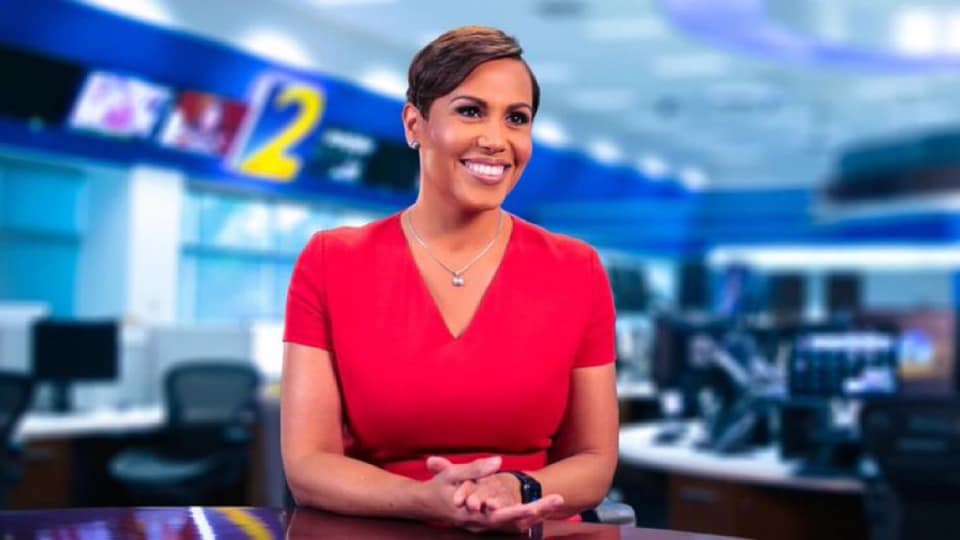
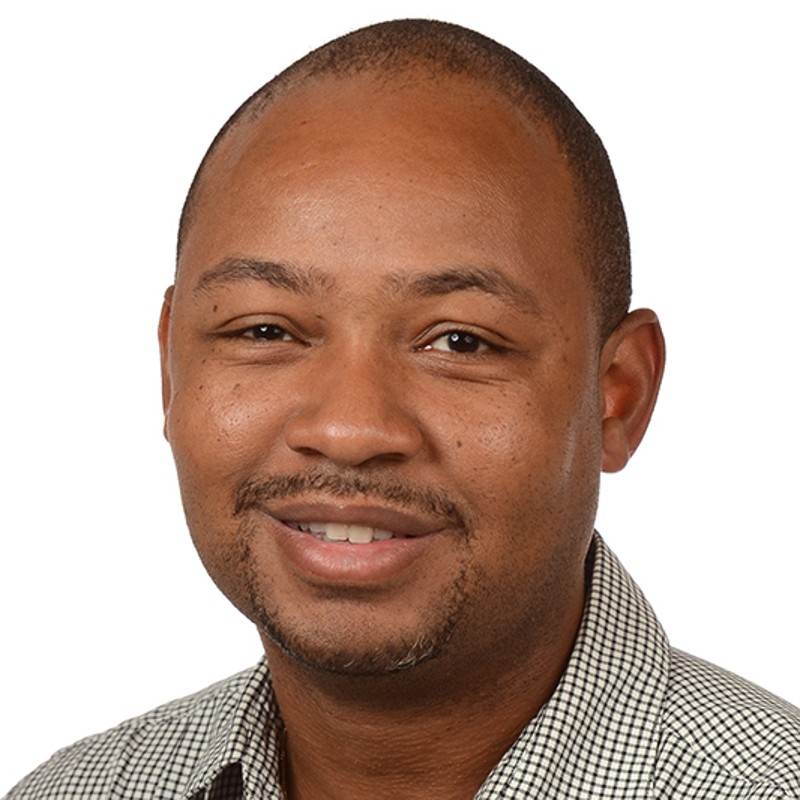
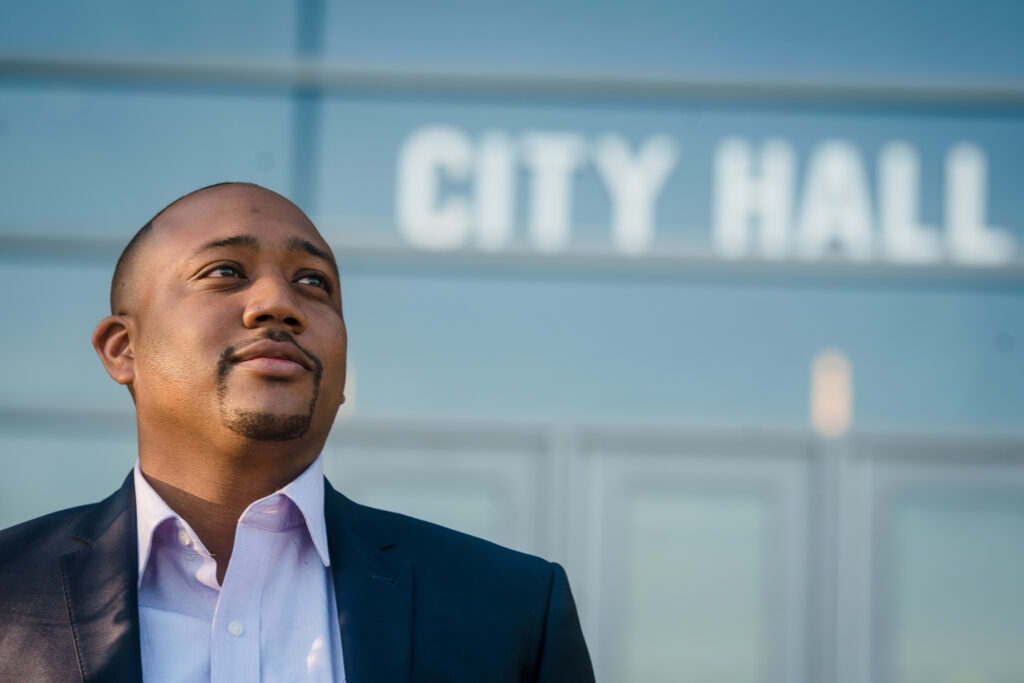
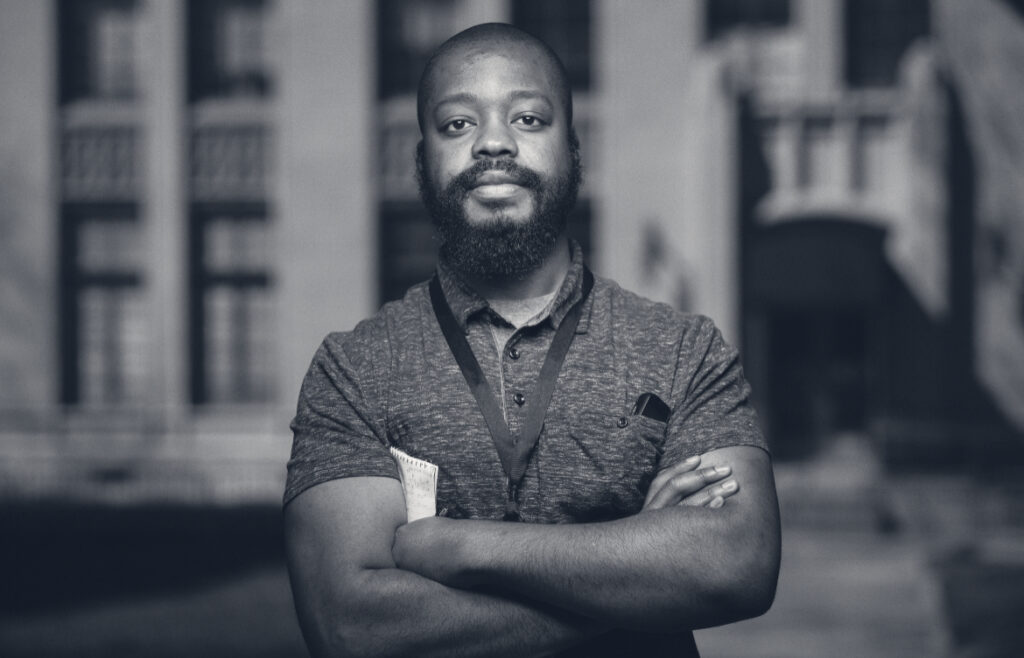
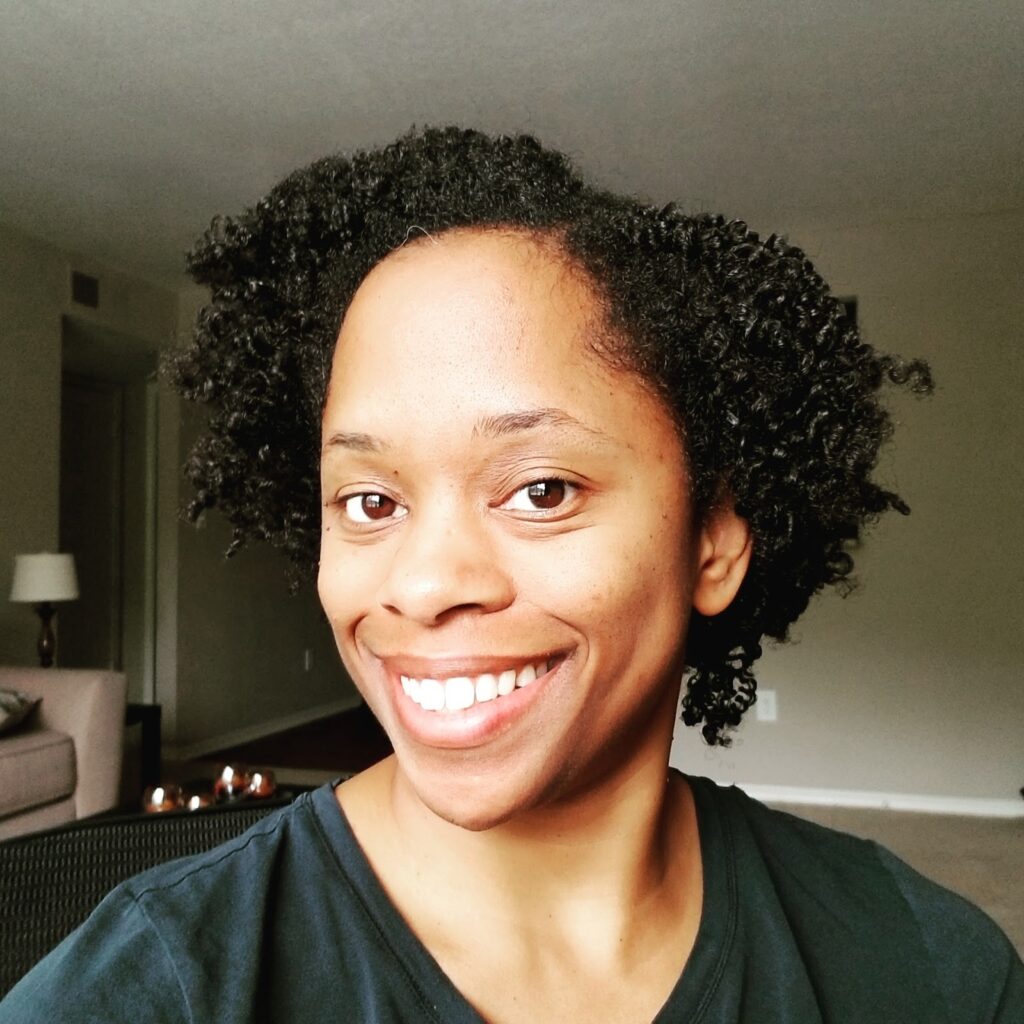



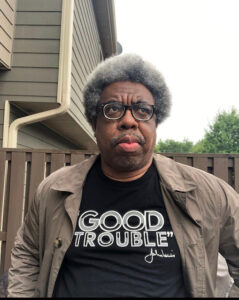

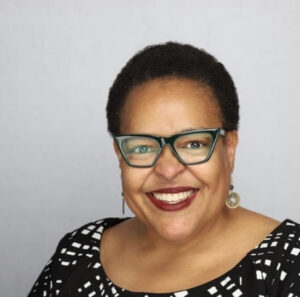
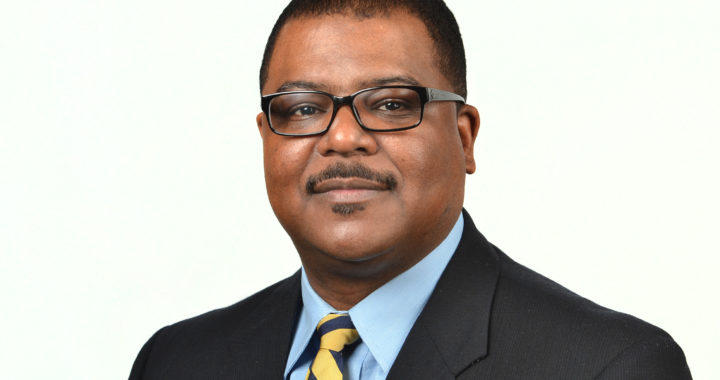

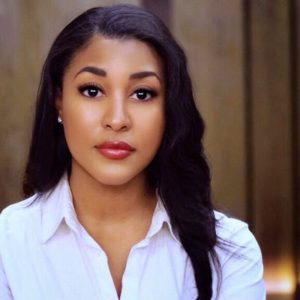



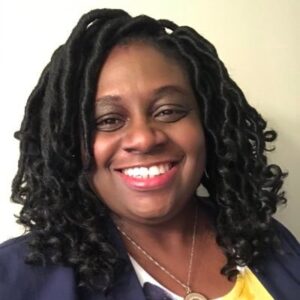
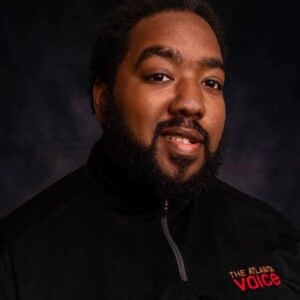
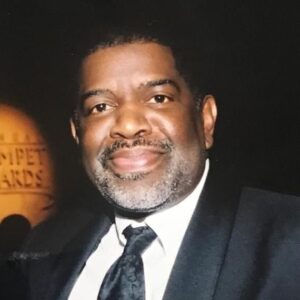

 haven’t expected. We’ve lost loved ones whom we mourn with you. We’ve had to be journalists from home while managing families. We’ve had to find ways to connect with loved ones we were used to seeing every day or at least once a week.