Your cart

THE BYLINE 03/2020

Former CNN producer reflects on her career and being theonly Black woman in newsrooms

By Tenisha Taylor

As a young girl, I always wanted to own my own radio station, WTNT –

Dynamite. I always had something to say, and with the initials, TNT (Tenisha Nicole Taylor), I figured whatever I decided to do in life had to be dynamite.
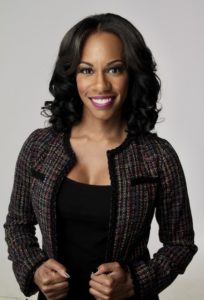
Tenisha Bell.

While the dream of owning WTNT radio never came to fruition, the reality of working in media did. At 16, I dipped my toes in the industry when I became a typesetter for The Chicago Citizen, one of Chicago’s two Black newspapers at the time. After being immersed in black newsroom culture for a summer, I was hooked on media. I followed publisher Bill Garth to meetings, luncheons and business functions, taking copious notes. I shadowed managing editor Lisa Ely ad nauseum, learning everything I could about reporting and the journalism business. By the time I was a high school senior, I was writing stories for the paper, covering stories affecting Black communities. Working for the Black press carried a sense of pride; it was a badge of honor. 

Unfortunately, in my naivety, I thought that every newsroom cared about Black voices and stories. After college and starting my first job, I quickly realized the world was different.  At The Citizen, everyone was Black and championed Black culture. In my new world, I was often the only Black woman in the newsroom — and the only one who cared about our stories. I eventually became the woman who only pitched Black stories. The comfortable, supportive Citizen newsroom wasn’t representative of what I would experience. While I am grateful it solidified my presence as a Black woman journalist, I had to readjust my thinking if I wanted to survive as an African-American woman in this industry. 

As my career progressed, I often carried the burden of being the lone Black person and pitching our stories without being pigeonholed. It was, and is, a delicate balance. Once I transitioned into management, I was careful not to show favoritism. But with time, I learned favoritism was how some races ensured their friends succeeded. Black women in media must play by a different set of rules; there needs to be a class taught about them. A Black woman can’t be too passionate about a story, or she’ll be labeled aggressive. On top of that, black women work twice as hard to earn half the respect. 

Many Black women journalists carry the weight of representing their race and culture to the highest standard. How you dress, how you rock your hair, what you say, how early you arrive, how late you stay, who you support and promote — these all factor into how you are viewed in a newsroom. And with all that pressure, Black women are still not paid their worth. Black women make .61 cents for every $1 white men make.

Despite the challenges, I found that being true to myself was important. Yes, it cost me some battles but it didn’t cost me my inner peace. I vowed to fight on behalf of Black people who needed an advocate in the newsroom. I vowed to push for stories that were important to Black people and to treat people with dignity and respect. 

After 16 years in newsrooms, I am pleased with myself and the work I accomplished. When I reflect on my newsroom career, I am confident the little girl who wanted to own WTNT radio, not only had something to say but used her voice to help other Black people in journalism. 

Tenisha Taylor is a PR consultant, former CNN producer and served as AABJ President from 2010 to 2014.


Books You Should Read by Black Women Journalists

By Alexis Grace

In honor of Women’s History Month, AABJ is highlighting Black women journalists who have had an impact on the industry. One way to honor them is to read books written by some of these incredible women. Here are just a few books you should check out if you’re looking for some inspiration:

More Than Enough: Claiming Space for Who You Are (No Matter What They Say) by Elaine Welteroth 

Credit: Penguin Random House

In 2017, Elaine Welteroth made history when she became the first black editor-in-chief of Teen Vogue. A year after leaving the monthly magazine, Welteroth became a New York Times Bestselling author with her book, “More Than Enough,” – a memoir for anyone who has ever felt “othered, overlooked, underestimated, undervalued, and still chooses greatness.” In the book, Welteroth discusses life lessons and breaking barriers while being the only black woman in the room. Readers are reminded they are more than enough despite their challenges. The book will help you face inner conflicts and build confidence.

The Light of Truth: Writings of an Anti-Lynching Crusader by Ida B. Wells

Credit: Penguin Classics

Journalism pioneer Ida B. Wells once said: “The way to right wrongs is to turn the light of truth upon them.” For Wells, that meant exposing the horrors of lynching. “The Light of Truth,” includes a broad assortment of Wells’ articles and discusses her journalism career and experiences while traveling abroad. Wells’ book also addresses her anti-lynching reporting. Her impact has made a  lasting impression, with the creation of the Ida B. Wells Society, an organization dedicated to training investigative journalists of color. The National Association of Black Journalists also gives an annual, prestigious award in her honor. 

Note to Self: Inspiring Words From Inspiring People by Gayle King 

Credit: Penguin Random House

TV personality and CBS This Morning co-host Gayle King gathered her favorite letters of inspiration from a popular CBS This Morning segment and put them all in one place. Her book, “Note to Self,” includes encouraging messages and advice to the author’s younger self. The book provides a sense of appreciation for who the authors once were and who they are today. The New York Times bestseller includes essays from well-known figures like entrepreneur and former television talk show host Oprah Winfrey and the late, esteemed poet Maya Angelou. King’s book is excellent for anyone struggling with growing pains and can be uplifting for those who need a quick boost to their day. These tender words are also great for self-reflection.

Alexis Grace is a senior at Clark Atlanta University. She is also president of the school’s NABJ-CAU chapter


FEATURE STORY: Errin Haines talks new online news nonprofit The 19th

By Darriea Clark
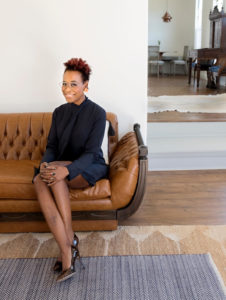
Errin Haines. Credit: The 19th

Errin Haines colored her journalism career with discussions and reports of race and ethnicity. The former Associated Press newswoman, got her bearings at Atlanta Daily Word, a black newspaper in the city. Haines, a former National Association of Black Journalists Vice President of Print, credits the newspaper for helping her realize she wanted to cover black communities. Now, the proud Atlanta native serves at editor-at-large for The 19th, a national news nonprofit focused on women issues. Haines spoke with Byline reporter Darriea Clark about the latest venture, NABJ and what readers can expect.

DC: How did you get involved in journalism and how did segue into political journalism?

EH: I got involved with journalism when I was a sophomore in college. My school paper wasn’t that great. I didn’t really see that as being a stepping stone to making a career out of [journalism]. I was looking through Creative Loafing, saw an ad for an AABJ meeting. So, I went, introduced myself and everyone embraced me and was helpful. One of my friends in the student chapter referred me to The Atlanta Daily World. The day I walked in was the day they got me started. They gave me my first article, and I stayed. I eventually worked there for year covering all aspects of black life in Atlanta.

I got into covering politics during the 2008 election during Barack Obama’s historic candidacy and then presidency. Atlanta has a very storied past around issues of race: Martin Luther King Jr. obviously being from here, John Lewis being such a living icon, Andrew Young — they were all her. They were people I talked to about building a legacy from their efforts. The fruition of that embodied this historic presidency. I was drawn to politics for that reason and covering that black electorate out of the South which was pivotal in his nomination and election. From that point, I wanted to get a deeper understanding of politics.

DC: You are the first and only reporter for the 19th news until others are hired. How have your previous positions prepared you for the demand of the role? 

EH: Working at the AP taught me a couple of things. First, metabolism. I was constantly having to think and write about [this topic] for a national audience. My stories have run in The New York Times and The Washington Post. They’ve also run in small newspapers in the middle of the country — places where they may have not had black or brown journalists who were going to write about these issues. That’s one avenue that has led me to where I am now.

My involvement as a member and in leadership with NABJ has prepared me for this role, because I’ve had to think about representation and why that matters in journalism, mainly around issues of race. NABJ is about creating the types of newsrooms that more accurately reflect our society, and we know we’re not there yet. At the 19th, we absolutely want to create a newsroom that is reflective of both the fact that black and brown people are soon to become the majority in this country and that women are already the majority of the electorate population.
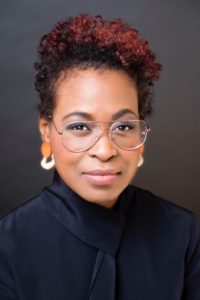
Errin Haines. Credit: The 19th

DC: In what ways are the world ready for a platform like the 19th news, and what ways are they not?

EH: [The 19th’s] assertion is that this platform is overdue. We are certainly feeling that sense of urgency as we have been out for the past month. We’re hearing from so many women. On the campaign trail, people are coming up to me and saying how excited they are that we have launched. Like I said before, women are more than half the electorate, yet in politics, women are discussed as a special interest group. I say to people all the time, “All issues are women’s issues.” That’s whether you’re talking about the economy, or education, or healthcare, you name it.

DC: There are a lot of women who feel like their voices aren’t being heard or their stories are being told. How do you plan on approaching those people who may not tap into the traditional news articles? 

EH: Trying to meet women where they are. We’re doing listening tours as part of a soft launch in multiple cities across the country. Going to women, listening to them, asking them: “What are the issues you most care about? What is the coverage that you want to see in the 19th?” It’s something that we want people to take ownership of, it’s a conversation we’re trying to start. We’re not just telling you what it means to be a woman engaged in politics. We want to engage with those women. And so, there will be those listening tours. We are going to do live events, because it’s important to be in conversation with women about the journalism and about these issues that we’re trying to raise through the journalism.

DC: How can newsrooms begin to make a more conscious shift toward diverse journalists?

EH: It has to be deliberate. I believe in our mission and I believe in our mission. I did feel like it was necessary to have the conversations we wanted to start. We had to build something new, but that’s not to say that media organizations should not be doing better in terms of race and gender. Our goal is equity. That is something we get to think about [everyday] and we build this.

DC: How will you define success in this venture? When will you be satisfied with the work and the mission? 

 EH: That’s a good question. Were the women who worked to ratify the 19th amendment satisfied what that amendment was passed? Was Shirley Chisholm satisfied when she ran for president and made history although she didn’t win? I want to continue in my job as a black person and as a woman and push the democracy forward as much as I can in the time that I’m here to do that job. Success to me looks like forward progress every single day. I think about the women and the people of color who came before me who did not necessarily see the victory or the “finish line” in their lifetime but did their efforts got people that much closer to where they need to be. Ida B Wells was certainly successful, even though she was not able to stop lynching in America. Success looks like for me and the 19th for us to do our part to change the conversation as much as we can and to the extent that we can while we are here. In a lot of ways, our being here and our existence tells me that we’ve already won.

DC: The 19th is launching, and then you’re going on a tour in April. What’s next for the nonprofit? 

 EH: A listening tour, the primary election, ramping up our hiring, and then we’re heading into the summer, the convention. We’re having an eventual nominee against our president, and then it’s on to the general election. We are obviously very much invested in honoring, marking the anniversary of the 19th amendment. You can stay tuned on our details to commemorate that. We are definitely growing, fundraising, committing to journalism, and trying to change this conversation every day.

Darriea Clark is an AABJ member and recent graduate of Syracuse University. This article was edited for length and clarity.

THE BYLINE (5/2019)

AABJ to host Black Male Media Project June 1

The narrative of Black men in the media needs to change, in more ways than one.
There are plenty of Black faces in front of the camera. Now is the time to have the discussion about the faces behind the camera. Who are the people making decisions about which stories are being told and how?
AABJ will tackle this subject on June 1, 2019. This year’s focus for the Black Male Media Project is “Becoming a Gatekeeper.” We’ve invited six panelists in different decision-making roles to share how they landed their job, the impact it has caused, and how can we get more Black men involved in decision-making roles.
This project was designed to help change the narrative around the lives and images of Black men in the news and in society, with a series of workshops nationwide to be held on Saturday, June 1, 2019. Participating NABJ chapters will promote the project – which is open to anyone who is passionate about this movement – using the hashtag #InspireBlackMen

After all, who’s best to tell the stories of Black men? Other Black men.
Here’s a look at some of the guest speakers for this year’s event:

Tolly Carr
Managing partner for HBCU Gameday
Eric Ludgood
Assistant News Director for Fox 5
Collie Burnett
President and CEO of AIB Network
Glenn Marshall
Producer for Will Packer’s “PowerStarLive”
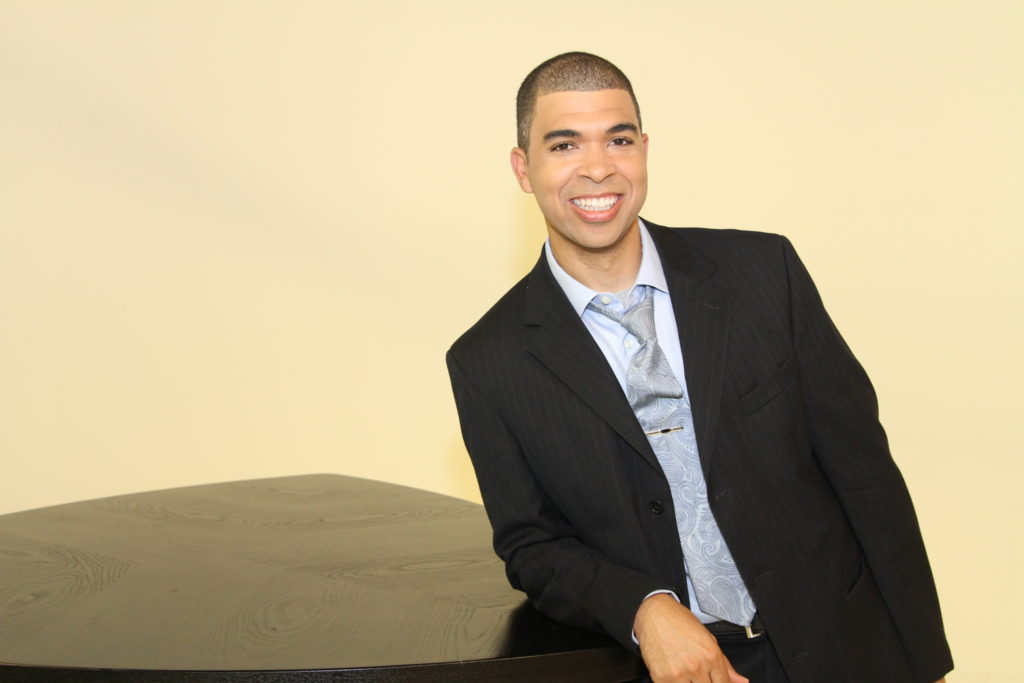
Drew Dawson
Station Manager for Georgia Public Broadcasting

Not pictured Eric Burns, vice president of content production and sports at Georgia Public Broadcasting.

Lunch will be provided.

Be sure to spread the word and buy tickets here.

###

AABJ Online Fundraiser: 43 Years Campaign

AABJ’s $43 for 43 fundraising campaign is still ongoing. In its 43rd year, we are asking members to donate $43 to go towards programming, scholarships, and events throughout the year. Be sure to invite your friends, coworkers and anyone you know that supports our members in print, communications, public relations, radio, broadcast, digital and the many trailblazers in the literary world. Be sure to share our campaign on your social media by using the hashtag  #AABJ43.

You can donate here.

###

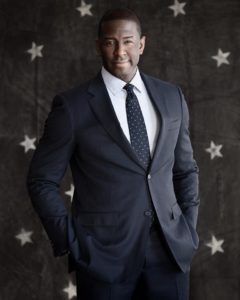
Andrew Gillum, former Florida gubernatorial candidate, to be keynote speaker at CAU commencement

Andrew Gillum

By Camille Taylor

Andrew Gillum, former Florida Democratic gubernatorial candidate, will be the keynote speaker at Clark Atlanta University’s 2019 commencement May 19. Gillum ran a high profile campaign with celebrities and public figures.

“We need a speaker who can reach the students, not only emotionally but mentally,” said Dr. Margaret Spriggs, CAU chair of ceremonials. “This year at our commencement we want the students to know that they have a responsibility to uphold and to leave them with an example of how to lead in the future.”

Most of the time, high profile figures have calendars that needs to be adjusted at least one year in advance, and the committee at Clark was able to confirm Andrew Gillum within weeks of them reaching out.

“Our students are worth a leader who connects with their audience and Andrew Gillum provides that,” Spriggs said.

Last year, Don Lemon gave the keynote address for the class of 2018 and left the students with a message to “be aware of your environment.”

Camille Taylor is a sophomore at Clark Atlanta University

###

Be sure to buy the AABJ documentary “Black and Reporting”

Get your Emmy Award-Nominated copy of AABJ’s Documentary, “Black & Reporting: The Struggle Behind the Lens.”

Proceeds go to AABJ’s Xernona Clayton Scholarship Fund .

Anyone who wants to watch the entire documentary can buy it for $9.95 here.

###

Southern Fried Queer Pride: An Organization Making Space for Queer People in the South

By Breanna Durham

Starting initially as a PRIDE event first held in 2015, Southern Fried Queer Pride (SFQP) expanded into a full  non-profit organization dedicated to showcasing queer and trans art, advocacy, and community building in Atlanta and abroad.

According to The Williams Institute, over 260,000 adults live in Georgia, 37 percent of them are African American. SFQP is one of multiple groups in Georgia working on LGBTQ issues and bringing this community’s stories and skills into the light.

Every month, members of SFQP gather together on the third Sunday to plan events, create programming and brainstorm ideas. The group has no dues, fees or prerequisites to become an organizer to these events.

Besides their two festivals, one in June in Atlanta and one in May in the Durham, North Carolina, the organization holds monthly events. Those events range from workshops and skill-sharing to productions and discussions.  In their Southern Fried Forums (SFF), for example, they hold an open, community discussion around challenging topics like intimate partner violence and racism in the queer community. Their Cinequeer Film Series event features films directed, written and/or starring and centering queer and trans people of color.  In March, they showed “America In Transition,” a documentary about social change from the perspective of trans people of color. They also have a seasonal music and art showcase spotlighting queer and trans people of color(QTPoC) called CLUTCH.

According to their website, the organization expects to open a space to hold events events and art exhibits and to have a resource center, potentially including a coffee shop, by 2020.

Those wishing to get involved in the group or learn more about them can do a few things. You can check out their website at www.southernfriedqueerpride.com and their Facebook and Instagram pages. You can join their mailing list for SFQP updates. Or you can reach them by email at: contact@southernfriedqueerpride.com.

Breanna Durham is a free lance writer and staff writer at The McDuffie Progress

###

Member Spotlight: Cierra Johnson

Current position in AABJ?

Student member

How long have you been a member of AABJ?

Since July of 2017

Where did you attend college?

Clark Atlanta University; Class of 2019; B.A. in Mass Media Arts with a concentration in Journalism

How long have you lived in Atlanta?

Born and raised! 23 years

Current Occupation?

Programming Assistant and Producer at AIB-TV (Atlanta Interfaith Broadcasters)

What do you like most about being a member of AABJ?

I appreciate the mentorship that is provided.  There have been many networking opportunities provided by AABJ and, from my experience, I have met members who have been intentional about remaining in touch with me and guiding me on my career and personal path.  In addition to, I appreciate AABJs dedication to helping students with scholarships. Though I am no longer in college (as of recently), I will never forget when AABJ funded my trip for my first NABJ convention in 2017 and ensured I was given tips on how to have a successful experience at the convention.

What initially got you interested in the media/communications field?

As a child, I watched Monica Kaufman Pearson, a former anchor for WSB-TV, and I was inspired by how confident and well she was able to broadcast news. I knew I wanted to tell great stories and have a strong presence as an African American on camera. I also loved how visually appealing a news story could be, therefore I practiced graphic design, editing and anchoring each chance I could.

What are your favorite publications/outlets to get your news?

Essence magazine, CNN, The New York Times and the AJC

Is there anyone in media you look up to? Why?

Director and screenwriter Ava DuVernay is someone in media I look up to.  Her genius ability to highlight the real-life struggles and triumphs African-Americans face and her compassion for community inspires me to create programming that is true to people’s experience. I also look up to her because she welcomes opportunity for women directors to have a chance to direct her shows – she does not only seek creativity from her own mind.

What’s an interesting fact about you people wouldn’t have otherwise known?

I am a former volleyball player, and I still enjoy playing in my community.  I am a great defense player! (People would not expect, because I have a quiet, reserved personality)

This month’s Byline was edited by Amir Vera

THE BYLINE (4/2019)

Recap of NABJ Region III Conference

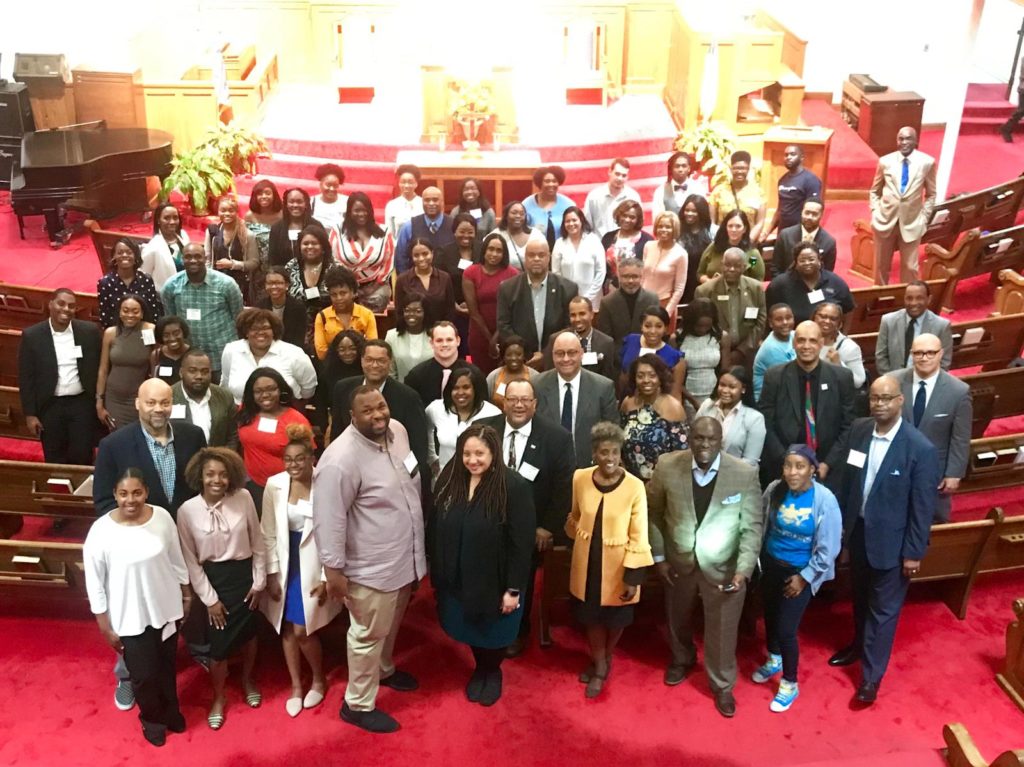
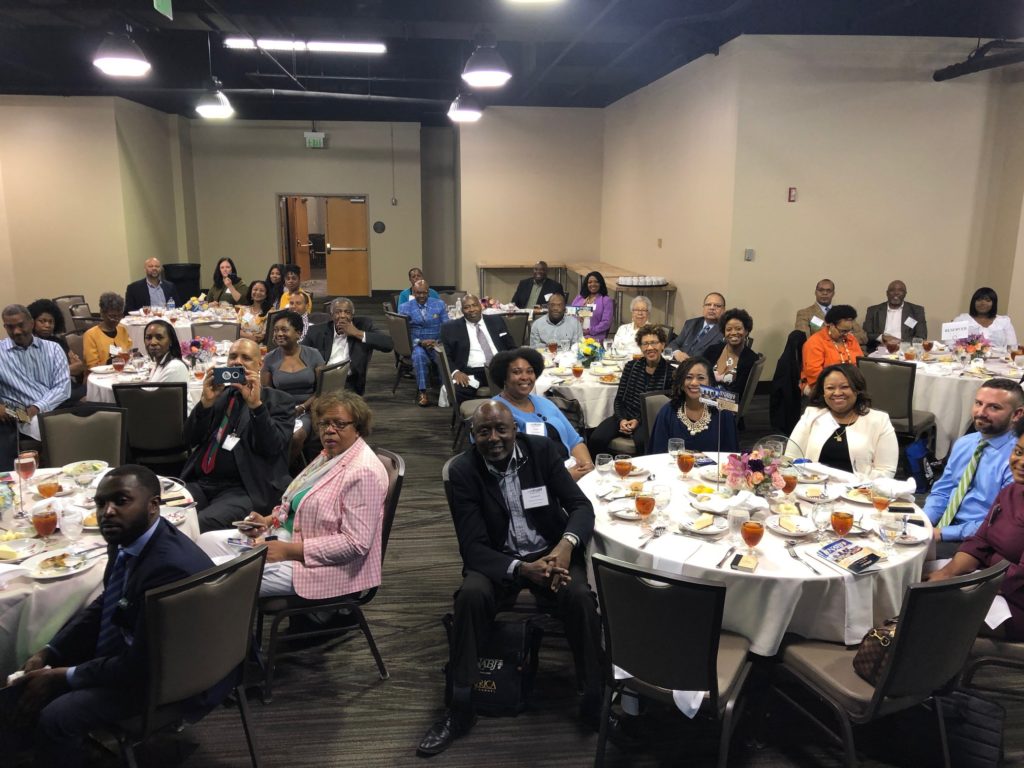
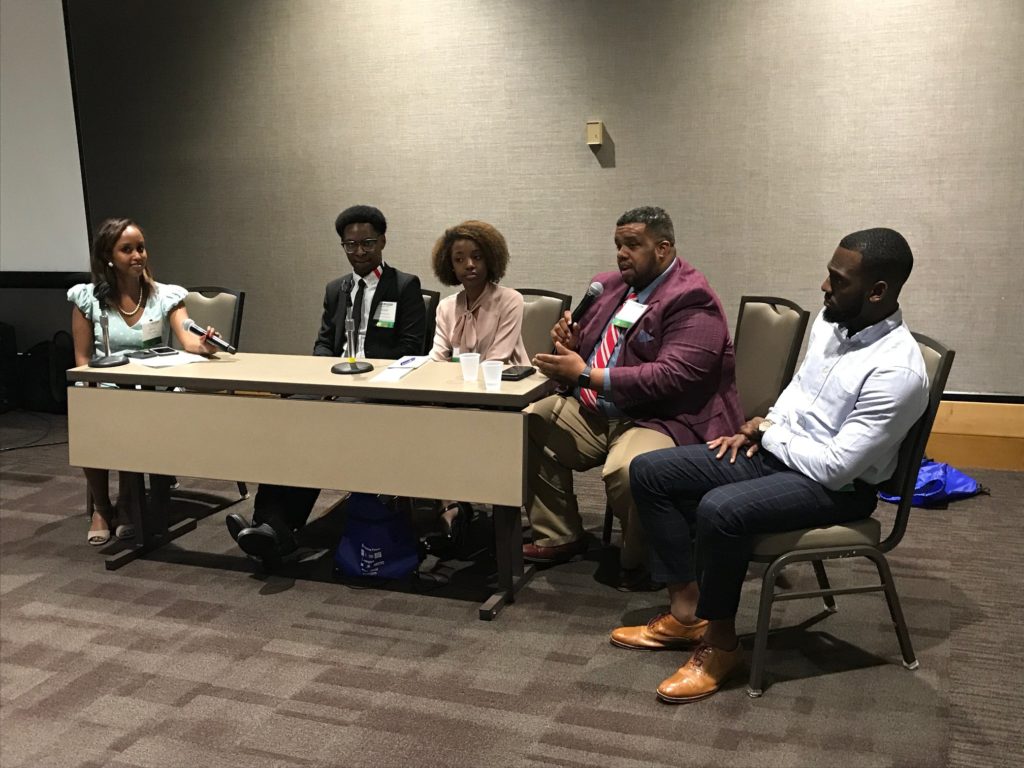
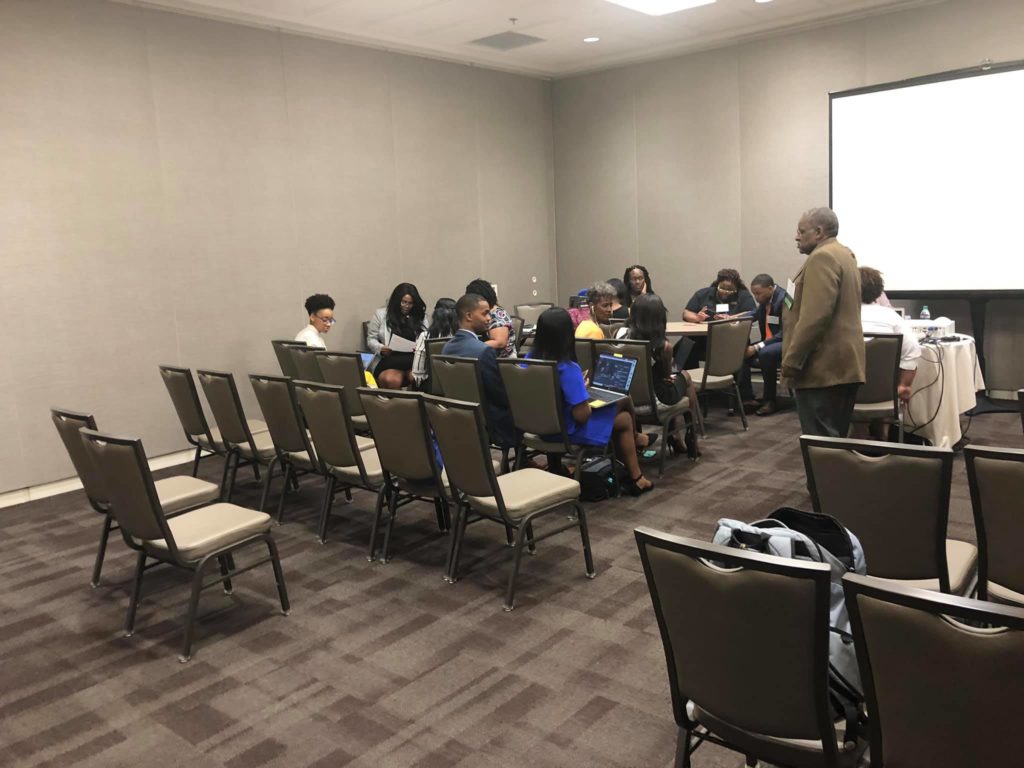
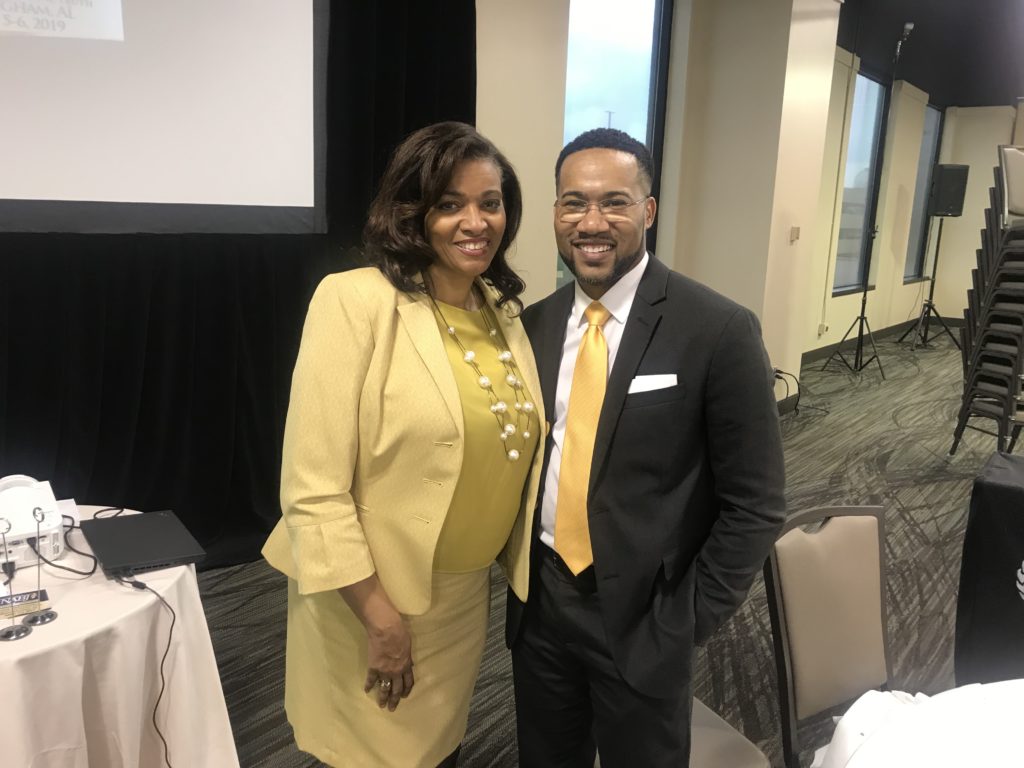
This year’s conference for Region III took place in Birmingham, Alabama, April 5-6. AABJ President Carol Gantt attended the conference, as did many AABJ members including Fox 5 anchor/reporter Kerry Charles and CNN digital trending news writer Doug Criss. Here’s a look back at the conference in historic Birmingham.

Learning to serve while being great

By Louis Deas


Eldredge Washington

“Everybody can be great because everybody can serve,” Dr. Martin Luther King Jr. once said.

But how many of us can serve while being great?

We’re all striving to be great. However, Atlanta resident Eldredge Washington, 29, has proven that in the midst of striving for personal greatness, there’s still time to give back to others through volunteerism, activism, and service.

As the founder of a non-profit Motivated Adults Developing Excellence (M.A.D.E) and co-founder of the startup tech company Spendefy, Washington has navigated multiple layers of the social sphere. Despite his accomplishments he’s as humble as he is charismatic and constantly thinks of others before he thinks about himself. A man of character and integrity, he has unwittingly positioned himself as a role model for everyone seeking to serve while being great.

A native of Monroe, Georgia, Washington has become a part of the fabric and inner-workings of Atlanta’s entrepreneurial and social good communities. Launching his youth empowerment organization, M.A.D.E, when he was only 17 years old, he sought to transform the lives of others by actively promoting cross-generational interaction and dialogue between adults and youth through mentorship.

“Just seeing the everyday impact of sitting down and talking with students, letting them know you care and that you’re available gives you that ‘wow’ feeling,” Washington said. “More important than the feeling, though, is seeing their lives change for the better.”

Full of life and bubbling with subdued energy and excitement, Washington has a magnetic draw that attracts people into his orbit and inspires them to serve in their own way on some level.

“People want to give back to their community, but many times don’t have time and don’t know how. I help them see that there’s no shortage of ways and more than enough opportunities to make an impact,” he says.

Years spent as a nonprofit leader has taught Washington that while service is good, the community is best served when good hearted people with decision making and economic power can be counted as true allies. Motivated to become such an ally and have an even greater impact for the African-American community, Washington and his co-founder, Antwon Davis, launched Spendefy — a web based application designed to promote black businesses and to dare its users to “spend different”.

“Spendefy is just an outgrowth of my passion for community and sustainable transformation,” Washington said. “When we strengthen the power of the Black dollar and support each other on the grassroots level, we can begin to see real changes from the bottom up.”


Eldredge Washington

In addition to mentoring students, leading social change in the neighborhoods and building socially minded businesses, Washington is active in his local church and engages with other civically minded groups who share his same vision for community uplift.

“It’s easier to go it alone to get all of the glory, but we have a greater chance of success and can touch more lives when we pool our resources, talents, and connections to achieve the greater good,” Washington said.

Washington’s daring to put his community first has inspired countless people — young and old alike — to envision greatness for themselves through service and entrepreneurship. His journey is just beginning, but he’s proven to be a true leader dedicated to uplifting his community through mentorship, financial empowerment, and community activism.

Louis Deas is the founder of Assured Hope

AABJ Online Fundraiser: 43 Years Campaign

AABJ’s $43 for 43 fundraising campaign is still ongoing. In its 43rd year, we are asking members to donate $43 to go towards programming, scholarships, and events throughout the year. Be sure to invite your friends, coworkers and anyone you know that supports our members in print, communications, public relations, radio, broadcast, digital and the many trailblazers in the literary world. Be sure to share our campaign on your social media by using the hashtag  #AABJ43.

You can donate here.

How to prepare for life after college

By Mariah Hill

When it comes to students’ senior year of college, there tends to be a gap between the campus environment and “the real world.” Every student fears whether he or she is prepared for the opportunities that typically won’t fall in their lap when they’re not a student anymore.

There is the also the question whether the institution the students attended prepared them for the “real world.” Some students blame themselves for not taking advantage of opportunities presented to them.

“Clark gives you a glimpse into the real world and doesn’t hold your hand … That’s how the real world is,” said Frank Jefferson, a senior at Clark Atlanta University.

Each institution sometimes held career fairs where students are able to meet professionals for potential internships that could turn into a job in the student’s interested field.

Students could also join organizations that put them in the position to network with professionals or an outside organization where students can get hands-on opportunities.

“My best advice would be to seek out the opportunities yourself, be assertive but not aggressive and follow up with those who you have connected with over the past few years in college,” Nailah Heard a Senior at Clark Atlanta University said.

Ultimately students want to feel fully prepared for life after college. Professionals say “that is when the hard work begins.”

Mariah Hill is a junior at Clark Atlanta University

Member Spotlight: Ray Metoyer, past AABJ president

Ray Metoyer

Current position in AABJ?

Technically I don’t have a current position in AABJ, but I’m a very active member. I am a past AABJ President, who served from 2005-2008. During that time, I was blessed to be the President when AABJ hosted the NABJ convention in 2005 and AABJ/Atlanta did an amazing job.

How long have you been a member of AABJ?

I’ve been a member of AABJ since 1994, right after I relocated here to be an anchor/reporter for WGNX, which is now WGCL. My membership in AABJ is connected to my membership in NABJ, where I served on the NABJ Board from 1989 to 1991. I was a chapter president in Denver and my hometown of Omaha.

Where did you attend college?

I graduated from the University of Nebraska/Lincoln where I majored in journalism.

How long have you lived in Atlanta?

I’ve lived in Atlanta since 1994 and I continue to work as a journalist.

Current Occupation?

Currently I’m the managing editor for Georgia Public Broadcasting’s “Lawmakers” program, covering the legislature when it’s in session. The rest of the year I work on freelance projects. I started my career in broadcasting in Omaha before moving to Denver, Little Rock, Houston, Dallas and Atlanta, both in front of and behind the camera.

What do you like most about being a member of AABJ?

Being a member of AABJ is important because our voices need to be heard in Atlanta. The diversity of media people here is the direct result of the push for change by NABJ/AABJ. It is our job to point out issues that need to be corrected, including how our communities are covered by mainstream media. Questions we have raised locally and nationally have made a difference in changing unfair practices, but we can never let up. Bad habits, lazy reporting and cultural arrogance in coverage have a way of coming back and we have to be there waiting.

What initially got you interested in the media/communications field?

I was always fascinated with television production and storytelling. I got my first introduction to TV while in high school. I joined a Junior Achievement company, run by a local Omaha TV station, WOWT-TV, where we produced our own programs. When I was a sophomore in college, I was hired part time by that station, working summers as a reporter/photographer, before being hired full time after I graduated. Starting as a photographer made me a better storyteller because I learned to see each story through the lens of the camera.

What are your favorite publications/outlets to get your news?

I watch and read media every day, CNN, MSNBC, local news, PBS, AJC, and the NY Times to name a few. I’m fascinated by great storytelling and how things are produced and that includes movies, documentaries and special programs.

Is there anyone in media you look up to? Why?

Former CBS 60 Minutes Correspondent Ed Bradley remains one of my biggest heroes because he was such a trailblazer in the industry and he commanded respect. I also respect ABC’s Robin Roberts because of her bravery in fighting cancer, while maintaining a high level of professionalism in her lead role on Good Morning America. She brings great JOY to her work and shares it every day.

What’s an interesting fact about you people wouldn’t have otherwise known?

Most people don’t know I’m a musician; a percussionist since high school. I’ve produced the music and soundtrack for three documentaries. In 2018 I created the music for a new TV program called “Secrets of the Caribbean,” which is currently being distributed on smaller TV networks and online. Creating music and the atmosphere for TV programs and productions is also an important part of storytelling!

This edition of the Byline was edited by Amir Vera and Shalon Bell