Your cart

THE BYLINE 04/ 2021

How Clark Atlanta professor balances his freelance career, influences students

By: Jamila Wood 

When he is not teaching Clark Atlanta University journalism students the ins and outs of the business, Christopher Daniel is racking up bylines for the likes of The Daily Beast, The Undefeated, HuffPost, Atlanta Magazine, and  NBC News.

But, the award-winning journalist’s love of words, entertainment and culture began well before he started helping students jumpstart their career in the media industry. 

Daniel found a love for entertainment with his childhood being surrounded by constant music. His mother was a general manager at night clubs and his father a DJ. At nine, Daniel was captivated by Nelson George’s writing style and Ed Bradley’s interview skills. 

“One of the first books that I remember reading was this book called ‘The Death of Rhythm & Blues’ by one of my favorite writers, Nelson George,” Daniel said. “I just noticed that as a nine year old reading this adult book that the way he wrote about was the same way I thought about the music that I heard in my house.”  

The writing passion for Daniel started early and was seen through his constant love for reading magazines at the supermarket and carrying his own notebook. 

“I would literally go to the supermarket and read magazines. I could rundown the bylines of all my favorite writers. I used to walk around with a notebook and write all the time,” he said.

Christopher Daniel

Daniel started his career through his involvement in nonprofits and wanted to cover things that carried purpose. Eventually, his work spoke for itself and opened endless doors of opportunity. 

“At the time there weren’t a lot of people covering it [nonprofit events]. I made it my thing. Every weekend I was at The High Museum, Georgia Aquarium or the Fernbank Museum. I was networking with all these executives and different people. They would see my blog post about who received an accolade at the gala that year,” Daniel said. 

“They would reach out through  LinkedIn or through my email. A lot of it was connecting with communications teams that work with these nonprofits,” he continued. “Naturally, all of these people wanted to invite me to lunch and I started going to events like The Commerce Club. I was just out and talking about things that I did.” 

With Daniel’s immense amount of passion, he went into his career with a strategic mindset that prepared him to handle any difficulty — including maneuvering the challenges of virtual teaching as a professor. 

“As a journalist, it wasn’t hard at all. It was more of a challenge at Clark Atlanta, where I teach. That was because I wasn’t really sure of the content management system or learning management system that we [the school] would have to use to communicate with the students,” Daniel said. “The challenge was trying to figure out how we would transition from the physical setting and deliver it to the virtual setting.” 

Daniel expresses that his strategic networking helped his career and assisted him in gaining more opportunities during the pandemic. 

“I had so many relationships that I built over the years and most of them started by showing up to places and someone referring me because of something they read in a smaller publication. I was just making sure that when I went places I had strategic networking,” he said. 

Now, after making a name for himself, Daniel uses his connections in media to help students at Clark Atlanta University, has dedicated his career to giving more Black writers opportunities, and tries to be a form of representation for his students.

“I knew if there was an assignment I was going to get it. I also knew if they needed students that were good in PR and journalism and would ask for my recommendation,” Daniel said. “That’s why so many students at Clark Atlanta right now are doing well. Why, because they asked questions and followed every move that I was making. It really rubbed off on them by paying attention to the bylines. It really encouraged students to do it because I was doing it.”

But Daniel also cautioned against feeding into misconceptions people have about the entertainment industry whether you’re consuming media or working in the field. 

“You still have to research people and watch tv shows up close and listen to full-length albums and mixtapes. You should be able to read voraciously,” Daniel said. 

As Daniel reflects on his career, he realizes the importance of always executing quality work. Daniel has received endless attention from the entertainment industry and multiple interviews and is thankful to receive the opportunity to share his story with up-and-coming Black journalists. 

Daniel urged rising journalists to “keep your ear to different topics and different things people are talking about. Pay attention to what these editors and producers are doing on social media. 

“A lot of times they put their emails and social media handles out there. They also share the pay and how to pitch,” he said. “It’s one of those things that if you are going to be virtual, you have to utilize the virtual in all possible ways.”

Jamila Wood is a Clark Atlanta University student. 


PR Veteran Carlos Scott talks career, gives insight on the PR industry 

By Da’Zhane Johnson

From crisis management to event planning, publicist Carlos Scott has been able to establish upstanding brands and reputations for celebrities. The marketing extraordinaire is known in the PR industry for his ability to strategically navigate a myriad of matters for his clients.  Scott’s expertise has led him to be seen on CNN in 2016, where he gave professional insight on the scandal surrounding Olympic medalist Ryan Lochte, who fabricated a story about being robbed at gunpoint with three other swimmers. Carlos also spoke on his experiences and his responsibilities at N-Vision Marketing, his Atlanta-based marketing firm. Scott spoke to AABJ’s The Byline about his marketing and PR expertise.

DJ: Tell me how you became interested in the PR industry? Did someone inspire you, or did you discover the industry on your own?

Carlos Scott

CS: It was really my sister who introduced me. After leaving the military, I actually found myself in the music industry as a songwriter. I was able to sign a deal with a record label and started writing for a new artist. I remember sitting in a meeting for about four hours waiting to play the new records we recorded, but that never happened. We spent hours discussing the artist’s image and reputation. We even talked about her dermatologist! That’s when I realized what importance PR, marketing and image had, not only on artists, but on any talent.

DJ: What do you believe is the most difficult part about your job?

CS: I would say the most difficult part can be the clients. You can get clients who are “a problem child.” Another thing is the communication and elitism in the industry. It’s always about respect for me. I can send emails and people do not respond because they see I’m not worthy or they’re not interested. To me, that’s disrespectful. You should treat everyone equally in this industry because you never know who will be your boss.

DJ: As a PR veteran, have you seen any PR trends occur in the past year?

CS: I have definitely seen some trends change. I told a friend of mine earlier this week that the ability to adapt and embrace technology has been the biggest trend. People who couldn’t do those two things probably weren’t able to keep business coming in during COVID-19. In times like this, it’s good to keep your ear to the streets and your mind open.

DJ: Social media has allowed for news to travel across the world easily. It is possible for anyone or anybody to trend on Twitter. Do you believe this has added pressure for publicists when they are managing a crisis situation?

CS: Absolutely. Social media marketing is actually something we specialize in. You just have to learn how to be smart and intentional with every post. We have clients who just don’t need social media because they are so well-known. Some clients just don’t need it for their own good. In those cases, we usually will manage their social media accounts ourselves.  

DJ: What does your typical workday look like? Was it altered at all because of COVID-19?

CS: A typical workday for me doesn’t really exist. Every day can be different depending on the client. Some days I am at my desk emailing pitches. Other days I am helping clients with interviews. The pandemic didn’t hurt business for us actually. The only thing that stopped was traveling. I used to fly from four to five times a month, but that stopped once the world shut down last March.

DJ: What advice do you have for current students who are studying to become a PR expert like yourself?

CS: I would advise any beginner to get an internship first. I say that because it will help you determine if this is the business you really want to be in. I’ve had interns work for me, and say, “You know, Mr.Scott, I’d like to thank you for this opportunity, but this just isn’t for me.” The work is more labor intensive than people think. You need to study the craft in general, get an internship to discover which entity you want to do — whether that be corporate or entertainment — then study this entity. 

Da’Zhane Johnson is a student at Clark Atlanta University. 


This issue of The Byline was edited by Raisa Habersham and Tianna Faulkner. 

THE BYLINE 07/2020


Atlanta reporter recounts covering the first night of protests in the wake of George Floyd’s death

By Raisa Habersham

I woke up early May 29 to see CNN reporter Omar Jimenez cuffed and arrested on live TV while covering the protests in Minneapolis, Minnesota, in the wake of George Floyd’s killing by a white police officer.

The tears streamed down my face as the network replayed Omar’s encounter with law enforcement. That moment reminded me of the many times my mother begged me not to cover protests.

“I don’t want anything to happen to you,” she’d say.

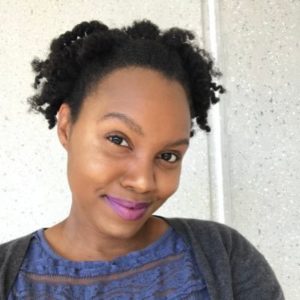
Raisa Habersham, reporter

As the footage played on seemed like a loop, I confided in my husband about what many Black journalists were dealing with while covering protests — well before the media uprisings in newsrooms across the nation. Not long after, I gathered myself and braced for the call — the one I knew my editor would make to me, asking if I’d cover a protest later that day.

I said yes. I’m always eager to cover a protest, it’s the language of the oppressed and essential to knowing what challenges communities are facing. I’d covered several Black Lives Matter protests before then, starting in 2016, when Atlanta had a five-day stretch of them in the wake of Alton Sterling and Philando Castile’s deaths and reports a hanged Black man was found in Piedmont Park.

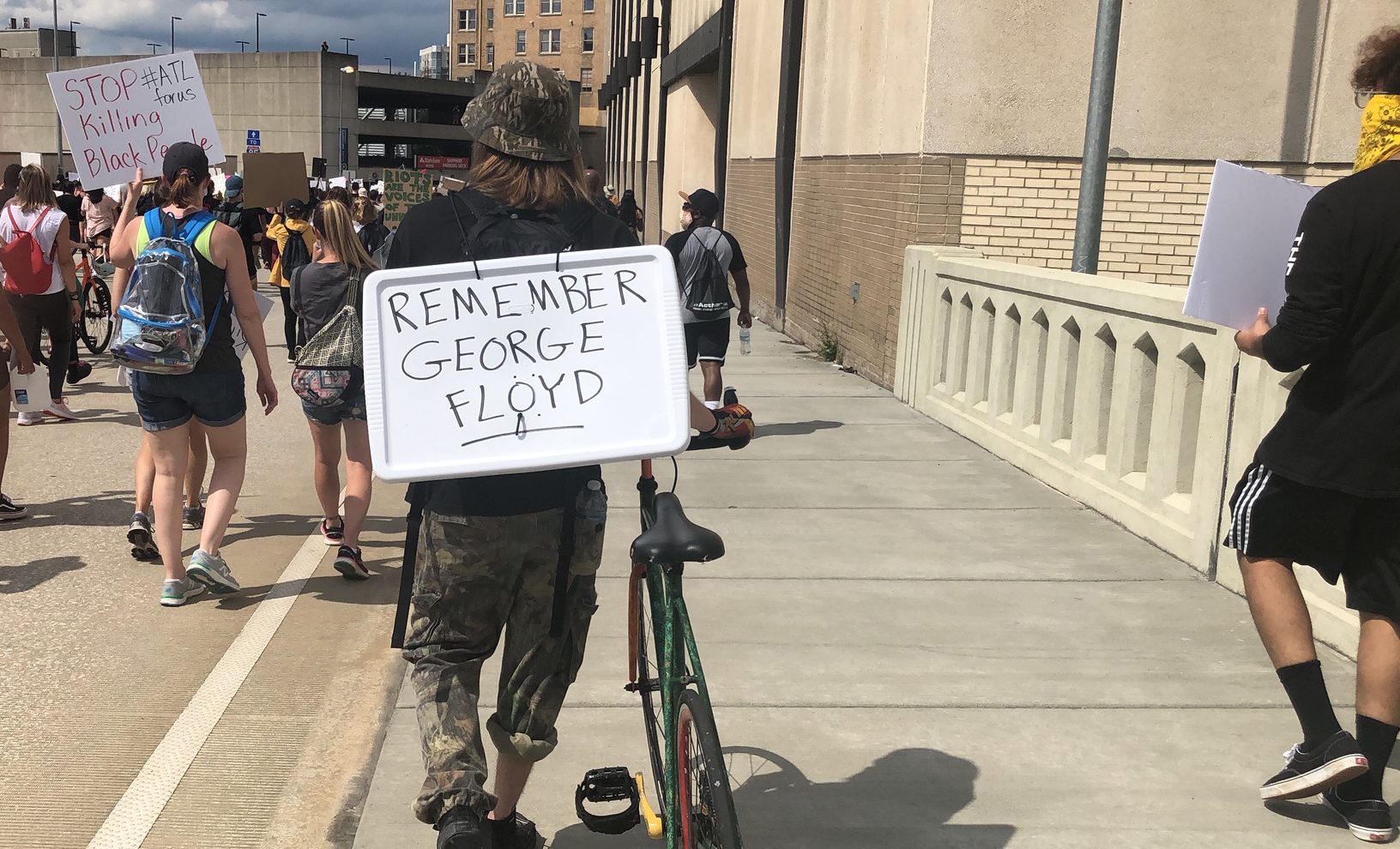
A protester carries a sign honoring George Floyd, the Minneapolis man killed after an officer held his knee to Floyd’s neck. (Credit: Raisa Habersham)

But on May 29, the spirit of my late grandmother, Theolanders J. Veal, ran through me. A 911 operator from Macon, Georgia, she was one of the few Black women working in her call center. She took her job seriously and had little tolerance for racism — to put it as politely as possible.

I felt her spirit watch over me as I packed my backpack — two laptops, two water bottles, plenty of snacks, a portable charger, masks to avoid COVID-19, extra iPhone charging cords, a sweatshirt in case it got cold and an umbrella. The protest was expected to be two hours long, but given what how protests turned in other cities, it was better to be safe than sorry.

By 3 p.m., I’d made it to Centennial Olympic Park where thousands of people gathered to march to the Georgia Capitol, for a brief sit-in. The trek led marchers along Marietta Street, where I spoke to a teary-eyed, native Atlantan, outside a nearby business about the protests. By the time we got to the capitol, I spoke with another protester, originally from New York, who said she’d been protesting since Eric Garner’s killing, which spawned a new statement in the movement: “I can’t breathe.” They were also George Floyd’s final words.

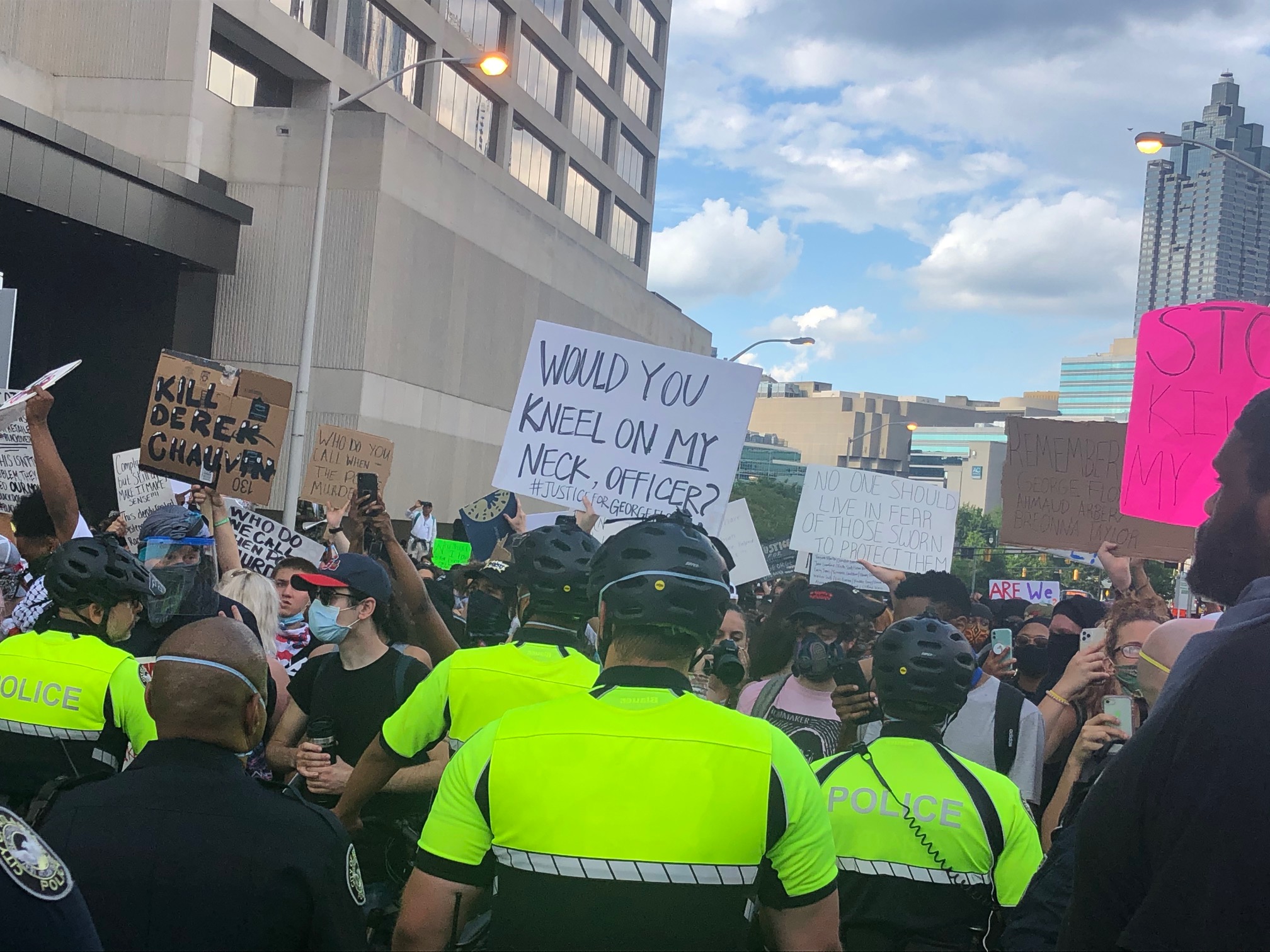
Atlanta police and protesters face off in front of the CNN Center. (Credit: Raisa Habersham)

But that tidbit didn’t make the AJC’s digital file. Right as I was about to send an updated feed for our live blog, I got word that the now dispersed crowd was in front of the CNN Center. I ran that way and saw protesters face off with Atlanta police. With each passing minute, the crowd grew angrier, throwing water bottles and glass bottles at officers. At one point, a lieutenant announced the group was violating an ordinance by standing in the middle of the street and would be arrested if they didn’t move. On top of that, Atlanta police brought out their SWAT team.

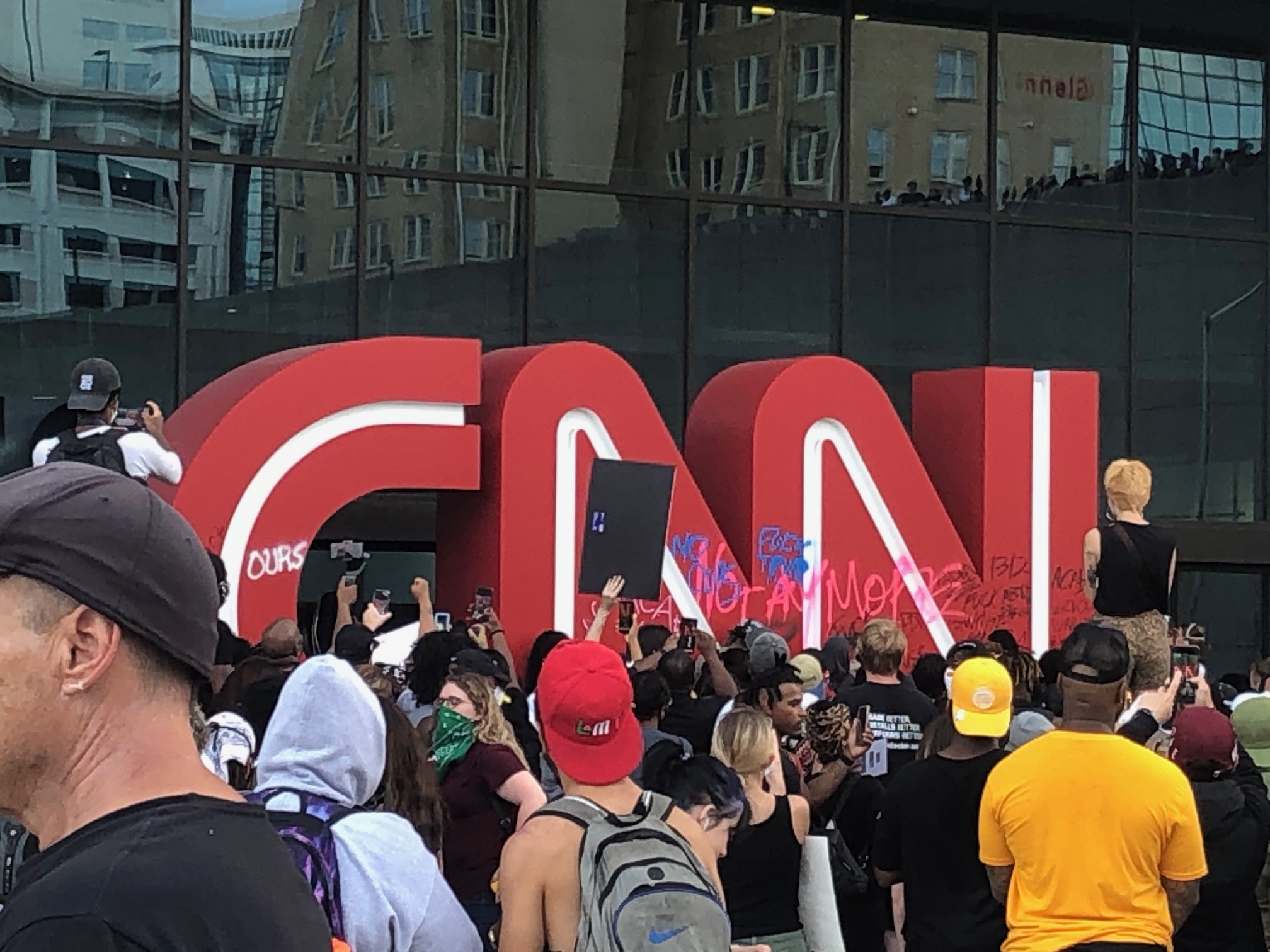
It didn’t dawn on me that I would be in for a long night until the famous CNN Center sign was vandalized and soon after the actual building. In the background, a car blared Tupac songs as officers moved to stand in front of the building to prevent people from entering.

And while all this was going on, I was avoiding the text message from my mom asking if I was covering the protests. I didn’t want to worry her. I didn’t respond to her until about 2 a.m., when I finally got home.

People deface the CNN sign outside the CNN Center on Marietta Street in downtown Atlanta.

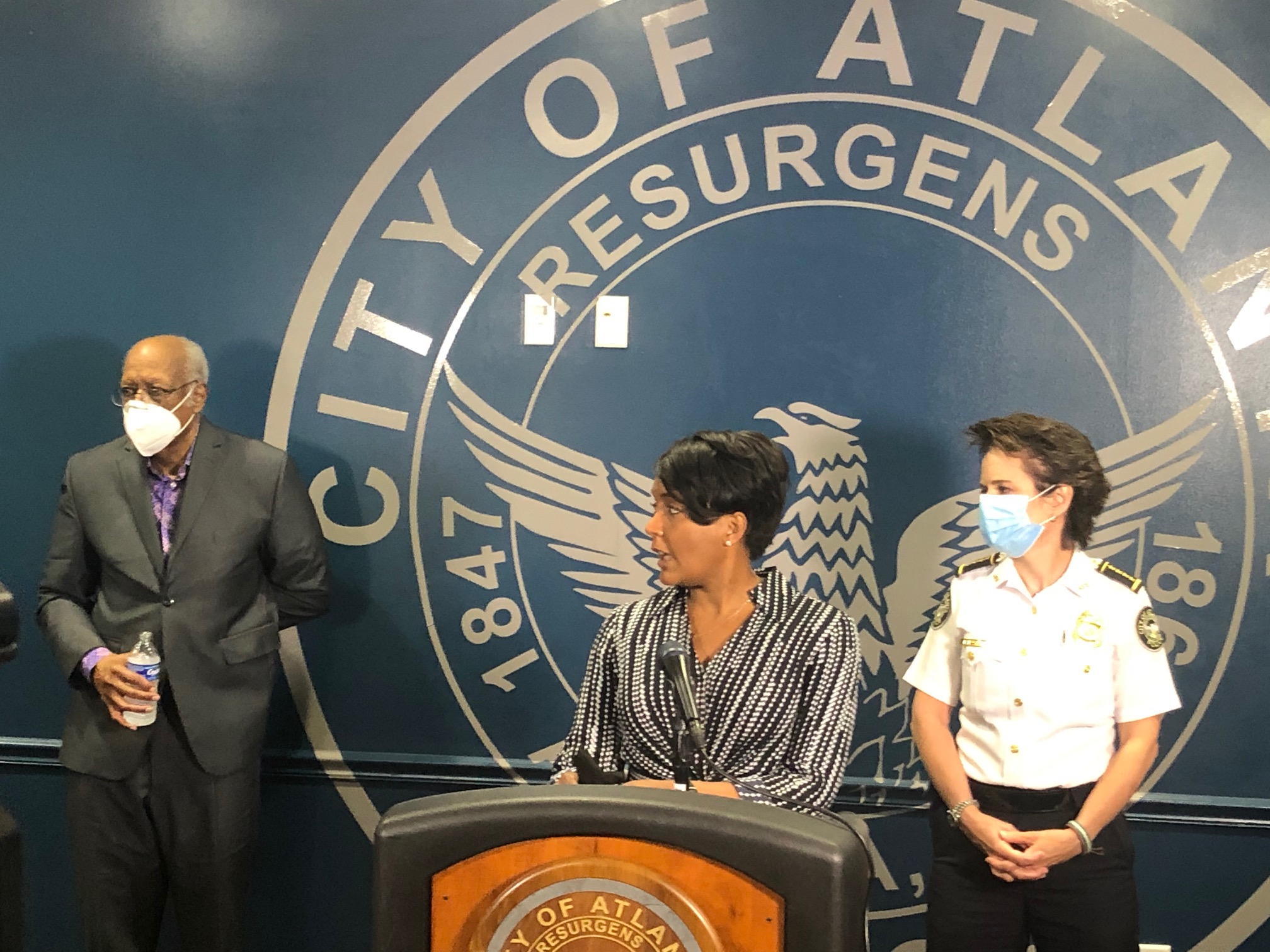
In the middle of it all, I got a call from Atlanta Mayor Keisha Lance Bottoms’ spokesman alerting me to a joint press conference with her and then Atlanta Police Chief Erika Shields. As I ran to the presser, a mob of people ran my direction; I hid behind a light pole to protect myself from a potential stampede. It wasn’t until later when I realized tear gas was fired and eventually a police car was set on fire.

As I raced to the press conference, the scene throughout other parts of downtown Atlanta was serene. People were chilling at a hookah lounge, other were grabbing a bite to eat. Apart from me, one other person had on a mask. It was as if COVID-19 didn’t exist.

At the presser, there was a different reality: Vandalism ran rampant in downtown Atlanta and rumors of crowds heading to Buckhead to commit property damage. Mayor Bottoms was not pleased. I’d covered press conferences with the mayor before and have interviewed her on occasion. I’ve never seen her react the way she did to the scene she saw that night. The caring mother in her was visible, and she didn’t mince words: “Go home because I can’t protect you.” It was an emphatic display of emotion from an otherwise composed Atlanta mayor who’d spent the past months urging residents to stay safe amid COVID-19.

Atlanta Mayor Keisha Lance Bottoms tells protesters to “go home” during a joint press conference with former Atlanta Police Chief Erika Shields, Bernice King, and rappers T.I and Killer Mike. (Credit: Raisa Habersham)

After the presser, a colleague was supposed to relieve me of my duties. I’d been out there for about six hours at that point and I’d contributed to other stories during the day. I’d essentially worked a 12-hour shift. He was to drive me to my car and I head home, except my car was stuck in the CNN parking deck where the bulk of the action remained.

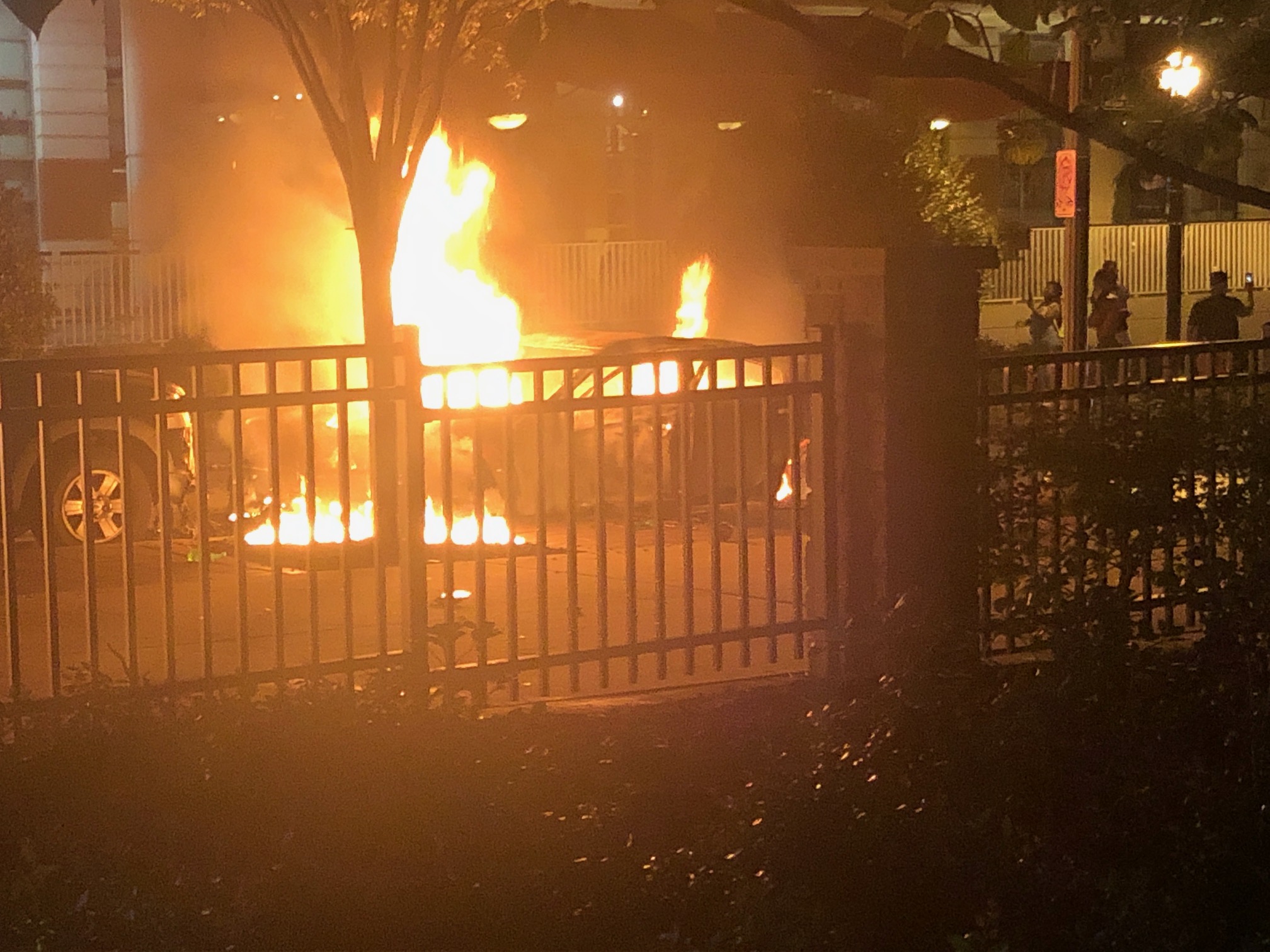
We spend the night riding around Atlanta, observing the scene and gathering color for the live blog. In downtown Atlanta, we saw burned police cars, a vandalized College Football Hall of Fame building, and shattered glasses outside a nearby Starbucks and the McCormick and Schmidt’s. Perhaps, ironically, local businesses were unscathed near Centennial Olympic Park (at least that I saw). The outer edges of the park looked like a warzone you’d see in movies.

A car is on fire outside Centennial Olympic Park, where protesters earlier gathered. (Credit: Raisa Habersham)

After about an hour downtown, my colleague and I drove to Buckhead where hordes of people were already at Lenox Mall, hoping to vandalize the building. Atlanta police had already set up camp at the mall. So, protesters headed to other parts of the neighborhood. Vandals threw objects at the Target, shattering the glass; across the street at small strip mall, vandals damaged a glass window at a FedEx.

The damage didn’t end there. The Corner Bakery and the Maggiano’s Little Italy on Peachtree Road were vandalized and there were reports of a fire in the area. At one point, officers threw tear gas at protesters. The stench got in my eyes briefly, reminding me of the stories my dad told me and my brother about being a Marine.

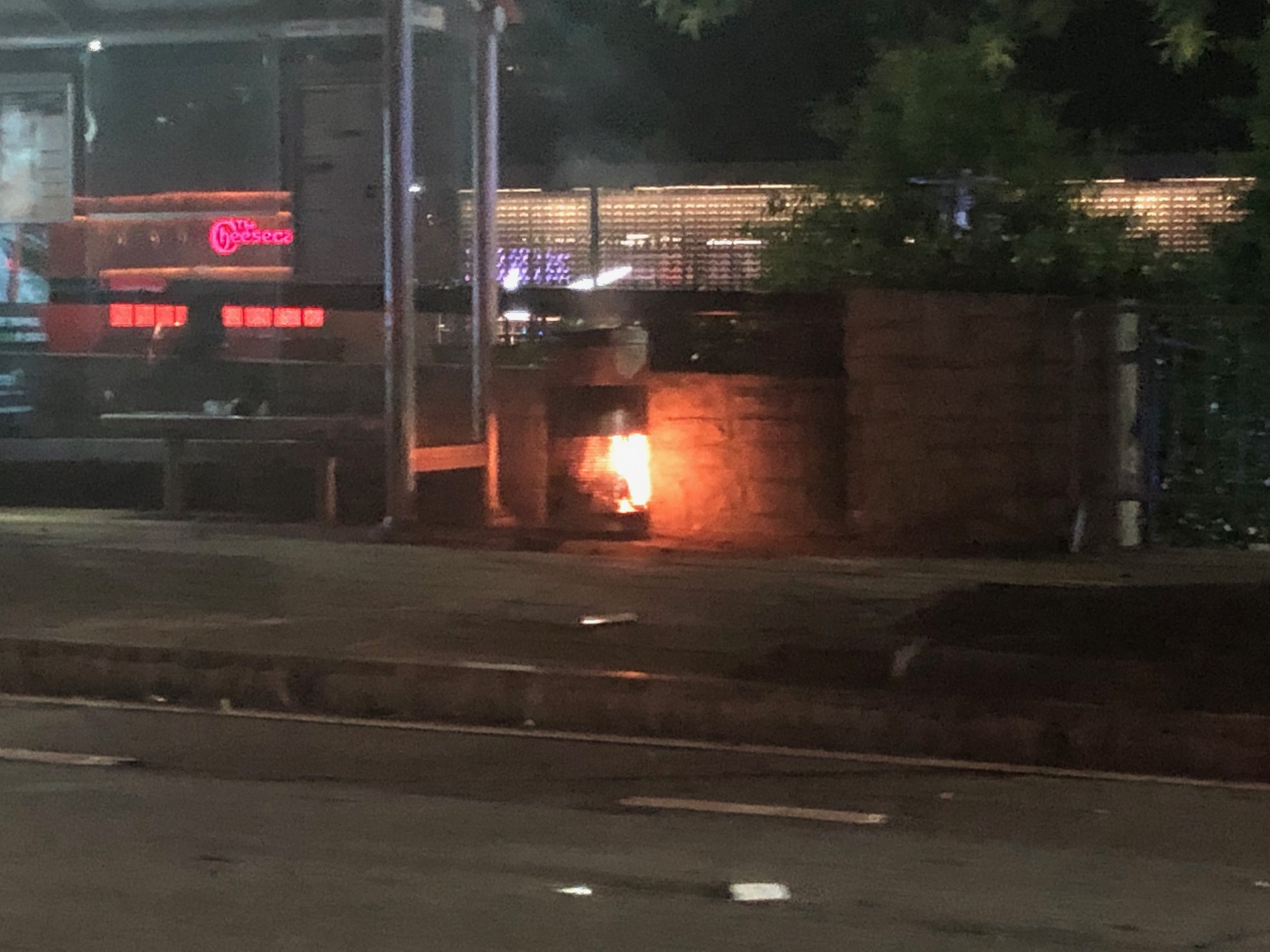
A small trash can is on fire at a MARTA bus stop near Lenox Square mall. (Credit: Raisa Habersham)

As the night raged on, my colleague and I headed south to take me home. A warm bath, Popeyes and a massage were waiting on me. I finally texted my mom. It was 2 a.m. In the days covering COVID-19, things had been a blur. But that day, May 29, I’ll always remember.

Raisa Habersham is an Atlanta-based freelancer reporter, whose work has appeared in The Atlanta Journal-Constitution and The Daily Beast. She is also AABJ’s Vice President of Print.


AJC, WSB reporters offer tips for covering protests

By Elisheva Wimberly 

The recent killings of Black people at the hands of police officers have sparked protests nationwide, including in Atlanta, which garnered national attention following the fatal shooting of Rayshard Brooks. Recent peaceful protests gave way to rioters who burned, looted, and destroyed buildings around the city and two reporters — The Atlanta Journal-Constitution reporter Eric Stirgus and WSB reporter Matt Johnson— were in the middle of it during the first night of protests in May, days after George Floyd was killed after a white police officer knelt on his neck for over eight minutes. The two spoke to The Byline on how to cover protests, especially when they become high risk.   

Stirgus said he saw the protest on WSB that evening and asked if his colleagues needed help.

Eric Stirgus, AJC reporter

“My original orders were to relieve another reporter but he didn’t want to leave, by the time I got there it was nightfall, a couple of minutes later I saw people throwing objects at police and breaking the glass to the CNN on Marietta Street,” Stirgus said. “Once nightfall hit, things had the potential to become violent.”

Johnson said the first night of protests was “unexpected.”

“About an hour or two before everything blew up there was a peaceful protest through downtown Atlanta. Then before we knew it the (Atlanta police) car caught on fire,” Johnson said. “Above all, we weren’t really prepared for a riot. We were psychologically not prepared, we had no security. Our job was still to paint the picture and to stay as composed as possible. It was probably one of the biggest challenges in my career.” 

Peaceful protests aren’t always prone to turn violent. Critics criticized the media for showing profuse attention to the riots rather than the peaceful protest that occurred in Centennial Olympic Park earlier during the day. Johnson said reporters’ response to criticism shouldn’t ever censor their content.

“It’s such a complex issue. As a reporter, you’re caught in the middle of all the sides. You can’t get caught up in too much of the criticism. If you’re at a riot and you focus on only peaceful protest you can be accused of whitewashing a situation,” Johnson said. “When it first started you could see the distinction between the peaceful presentation at Centennial Park whereas across the street was the rioting and looting. You can give the proper perspective while giving accurate information of what is happening in front of you.”

Stirgus recommended reporters arrive at protests early and speak with organizers. “If you’re listening to what the main organizers have to say and you’re being observant you may see things that may interest you as a reporter.”

Matt Johnson, WSB reporter

Stirgus also suggested keeping your smartphone with you as a trusty tool to help cover protests, wearing comfortable shoes, and bringing goggles in case you’re sprayed with tear gas “One of my coworkers brought a helmet with ‘Press’ written across the top,” he said.

Before Johnson steps close to a protest he’s covering, he makes sure his press badge is on him and visible.

“I’m always with a camera guy so I’m more identifiable than a print reporter. You want to have your press pass visible if your legitimacy is ever questioned,” he said. “You have to bring an open mind, perspective, and the ability to do your job in the scariest circumstances.”

Johnson made it clear journalists need to have situational awareness; understanding when a protest is about to take a turn is crucial for your safety. When things seem like they’re about to take a turn, Johnson said communicate with your news station.

“There have been journalists who have been shot at and physically assaulted, so don’t lose track of your safety,” he said.

But while focusing on your safety is crucial, Johnson said ensuring your caring for your mental health is equally important when covering ongoing protests. 

“You can get flashbacks and feel like it’s still happening. When it’s over, just take a break,” Johnson said. “Take care of your mental health. You’re experiencing more than the average person is experiencing.” 

By Elisheva Wimberly is a rising senior at Georgia State University.


How to become a freelance journalist: A Q&A with Atlanta-based reporter Jewel Wicker 

By Greer Wilson

With many journalists losing jobs due to the coronavirus pandemic or looking for a new start following the racial inequity fallout in mainstream newsrooms, some may be considering freelance reporting. And as newsrooms begin adapting to their work-from-home policies due to COVID-19, many publications and outlets are looking for freelance writers to help with the steady news cycle. 

But making that move can be difficult if you’re accustomed to the hustle and bustle of daily news reporting. 

Jewel Wicker,  an Atlanta entertainment and culture writer, made the transition to freelance reporting in 2017, after a year with The Atlanta Journal-Constitution’s features team. Wicker, whose byline has appeared in Atlanta Magazine, Billboard and Creative Loafing, spoke with The Byline on her freelance career and provided tips on what others can do to have a smooth transition out of the newsroom and into freelance reporting.

Jewel Wicker

How did you get your start and what was the first publication you wrote for?

Jewel Wicker: As a freelancer, I got my start three years ago this month. The first publication I wrote for was Creative Loafing. One of the things that I did when I first went to freelancing was reaching out to the publications here in Atlanta that I had previously worked for. When I was in college, I wrote a freelance article for Creative Loafing. Right after I graduated college, I interned with Atlanta Magazine, and I worked on staff with the AJC before going freelance. So I reached back out to Atlanta Magazine and Creative Loafing to let them know that I was now a freelancer, and I could write entertainment and culture if they were looking for someone to do so. I had a column for a year with Creative Loafing for about once a week and also did some work with Atlanta Magazine. About three months into going freelance, I had taken a class on how to pitch and I co-pitched Billboard. I started writing for them, and that was the beginning of writing for a national publication. 

For someone starting out, what would you recommend for them to develop a writing routine?

JW: For me it differs. I found that if I schedule off time on my calendar to write that’s more effective because sometimes I get flogged down with interviews. If I have a story coming up, I’ll put a few hours on my calendar to write a draft. On the day I need to write, I schedule it and it will show the writing block for this story. So, I know not to schedule interviews or any other tasks during that time. A lot of times, I write better when I first get up or start doing other tasks and get into the groove. I might struggle to get into the writing grooves later in the day. But sometimes I wake up in the morning and can’t find the words. Sometimes I don’t write until nighttime. It really just depends. 

What advice would you give on making pitches?

JW: So, one of the things I did when I first started freelancing, I realized I wasn’t that good at pitching because I was used to being a staff reporter. So, co-pitching wasn’t something I had to do. I took a class on how to pitch as a freelance reporter. I highly recommend it if you can find an online class that caters to pitching as a freelance reporter. I understand that can be cost-prohibitive; the alternative suggestion is searching pitching as a journalist or similar keywords on Twitter. A lot of sample pitches will come up. (There are) a lot of writers and editors for major publications who make Twitter threads, and post on social media sharing the best way to format a pitch, the information that could be in a pitch, and how much reporting that should be in a pitch. They just give a lot of the best tips and tricks as well as some things you don’t do. That’s a free and easy way to get a look at the best practices from the leading editors and reporters in the industry. 

Do publications have their writing styles? Would you advise people to practice their writing styles before pitching?

JW: I would say practice for pitching, but I would also say it’s really important to read what that publication writes about. You could pitch the same story to different publications, but the angle and the tone might slightly change based on who you are pitching to. So I would say, if you’re going to pitch a publication, be very well versed in the type of writing and reporting they do. That’s going to help formulate the pitch to them and that increases your chances of getting your pitch accepted. Publications can tell if you don’t read them because your pitch is far beyond their scope. 

How would you advise freelancers starting out on how to protect themselves from stories being stolen if rejected?

JW: Unfortunately, that is a risk that a lot of freelancers fear. I always advocate for not sending complete stories. Send just enough information to give the publication confidence that you are the perfect person for this story. 

How would a freelancer try to pitch to publications if there is a job board?

JW: One of the newsletters I follow is @studyhallxyz. They publish a weekly job board for full-time positions, fellowships and grants but also for freelance submissions. They scour the internet because a lot of editors will tweet and say “I’m looking for this topic, this is what I’m paying, please email me at this email address to pitch me.” They will combine all of those pitches and put them all in one place so you don’t have to follow all of these editors to see. I highly recommend following them. I think I pay $10 to $11 a month (to subscribe to the newsletter). But as a person of color, if that is cost-prohibitive to you, I believe you can get access to the job board for as little as $1 a month.

Greer Wilson is a recent Spelman College graduate. 


This issue of The Byline was edited by Raisa Habersham.